Understanding the Principles of Constructivist Learning Theory in Education
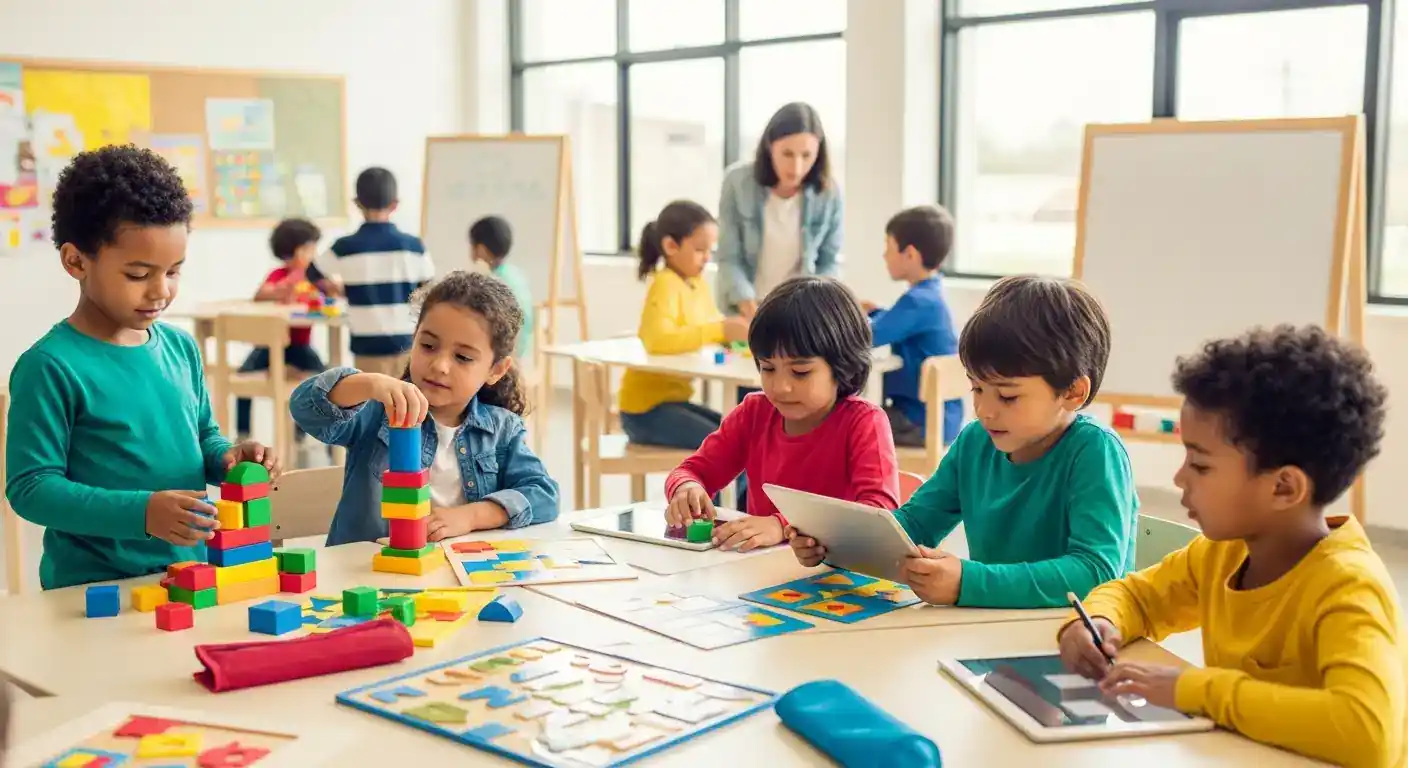
Constructivist learning theory emphasizes active learning, where students construct their own knowledge and understanding. This approach empowers students to take ownership of their learning journey, making it particularly effective in inclusive education settings.
Key Points:
- Active Learning: Students actively participate in the learning process.
- Prior Knowledge: Builds upon existing knowledge and experiences.
- Social Interaction: Collaboration and communication are key.
- Meaningful Learning: Connects learning to real-world contexts.
- Student-Centered: Focuses on individual student needs and learning styles.
Constructivist Learning Theory: An Overview
Constructivist learning theory posits that learners actively construct knowledge and meaning from their experiences. Rather than passively receiving information, students interpret and integrate new information with their pre-existing understanding. This theory, rooted in the work of Jean Piaget and Lev Vygotsky, emphasizes the importance of active learning, social interaction, and meaningful contexts. This approach is particularly relevant for creating inclusive classrooms that cater to diverse learning styles and needs.
Applying Constructivist Principles in Inclusive Education
Constructivist learning provides a framework for creating engaging and inclusive learning experiences. By focusing on student-centered activities, educators can cater to diverse learning needs and empower all students to succeed.
Implementing Constructivist Learning Activities
- Inquiry-based projects: Encourage students to explore topics of interest and develop their own questions. This fosters critical thinking and problem-solving skills.
- Collaborative learning: Group projects and discussions allow students to share perspectives and learn from one another. This promotes social interaction and teamwork.
- Real-world applications: Connecting learning to real-world situations makes learning more relevant and engaging. For example, using math concepts to solve real-life problems.
- Differentiated instruction: Providing a variety of learning activities and resources allows students to learn at their own pace and in their preferred style. This caters to individual learning differences, a hallmark of inclusive education.
Benefits of Constructivist Learning in Inclusive Classrooms
Constructivism promotes a learning environment that embraces diversity. It recognizes that students learn in different ways and at different paces. By fostering active learning and collaboration, constructivist principles empower students to take ownership of their learning, leading to deeper understanding and improved academic outcomes. Recent research from the Journal of Educational Psychology (2024) supports the effectiveness of constructivist approaches in enhancing student motivation and engagement. Another study published in the Educational Researcher (2023) highlights the positive impact of constructivist learning on students' critical thinking and problem-solving abilities.
Differentiated Value: Beyond Traditional Constructivism
This article goes beyond the basic tenets of constructivist learning theory by emphasizing two crucial elements:
- Neurodiversity Inclusion: We specifically address the application of constructivist principles in supporting neurodiverse learners. By understanding individual learning differences, educators can tailor instruction and activities to maximize engagement and success for all students.
- Technology Integration: We explore the role of technology in enhancing constructivist learning. Digital tools and resources can provide personalized learning experiences, facilitate collaboration, and create more engaging learning environments. For example, interactive simulations and virtual reality can provide immersive learning experiences that cater to diverse learning styles.
Suggested Internal Links
- Anchor Text: inclusive classrooms; Target Page Type: Category; Link: /categories/inclusive-education
- Anchor Text: active learning; Target Page Type: Related Article; Link: /articles/the-power-of-active-learning-strategies
- Anchor Text: differentiated instruction; Target Page Type: Related Article; Link: /articles/practical-strategies-for-differentiated-instruction
FAQ: Constructivist Learning Theory
Q1: What is the main difference between constructivism and traditional teaching methods?
A1: Traditional teaching often relies on passive learning, where students receive information from the teacher. Constructivism, on the other hand, emphasizes active learning, where students construct their own understanding through experience and interaction.
Q2: How can I apply constructivist principles in my classroom?
A2: Incorporate activities like inquiry-based projects, collaborative learning tasks, and real-world applications of concepts. Encourage student-led discussions and provide opportunities for reflection.
Q3: Is constructivism suitable for all students?
A3: Yes, constructivism can be adapted to meet the needs of diverse learners. By providing differentiated instruction and scaffolding learning experiences, educators can ensure that all students benefit from constructivist approaches.
Q4: How can I assess student learning in a constructivist classroom?
A4: Use authentic assessments that focus on the process of learning as well as the product. This might include portfolios, presentations, and performance-based tasks.
Conclusion: Embracing Constructivist Learning
Constructivist learning theory offers a powerful framework for creating engaging and inclusive learning environments. By embracing these principles, educators can empower students to become active learners, critical thinkers, and lifelong learners. We encourage you to share your experiences with constructivist learning in the comments below and subscribe for more articles on inclusive education. For further reading, explore the works of John Dewey and Jerome Bruner.
Future Expansion Topics:
- Assessment strategies in constructivist learning environments.
- The role of technology in supporting constructivist learning.
- Constructivism and special education needs.