Transforming Education: Integrating Modern Pedagogy and Philosophy
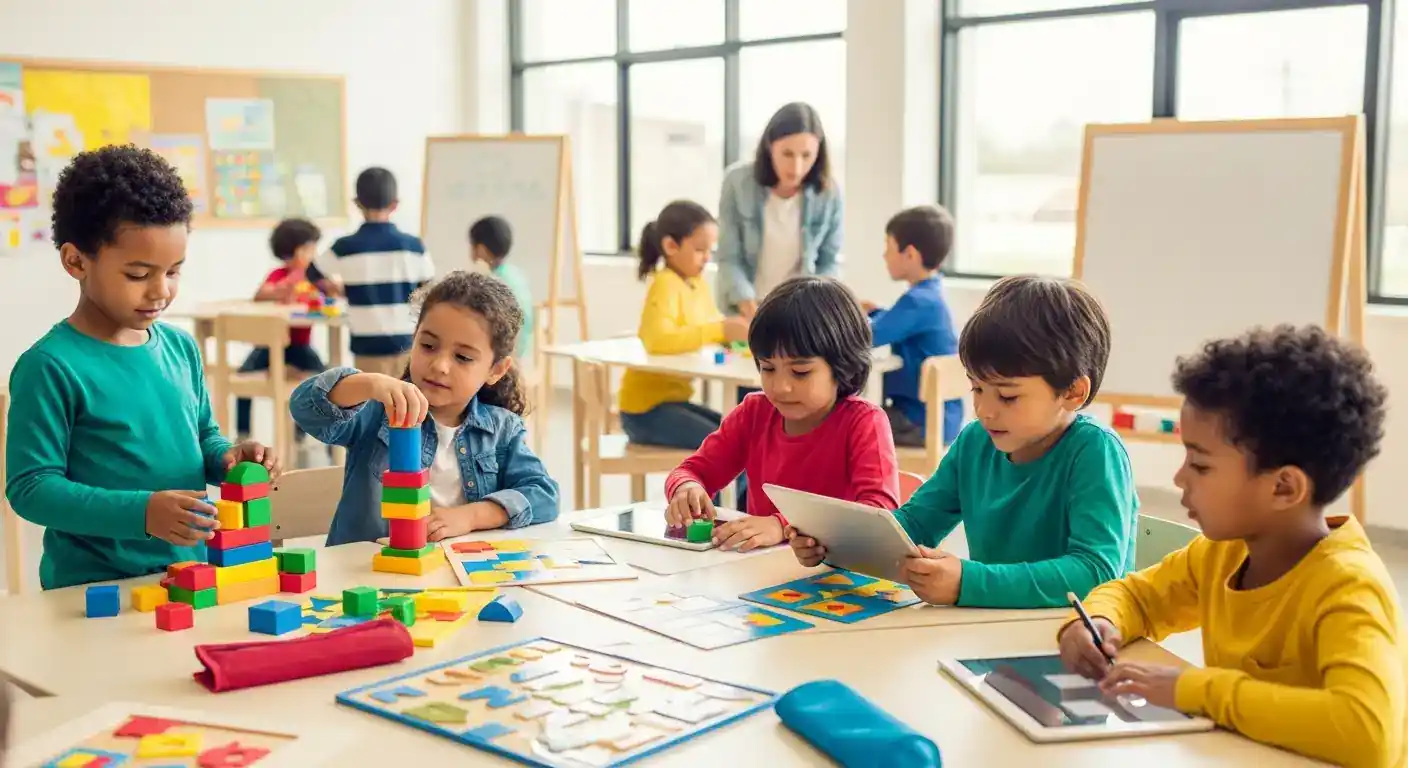
Brief Overview
Transforming education requires a deep understanding of how modern pedagogy and philosophy intertwine. By integrating innovative teaching methods with sound philosophical frameworks, we can create dynamic learning environments that foster critical thinking, creativity, and collaboration. This approach empowers educators to meet the evolving needs of 21st-century learners.
Key Points:
- Modern Pedagogy: Emphasizes student-centered learning and active engagement.
- Philosophical Frameworks: Provide a foundation for educational values and goals.
- Transformative Learning: Creates meaningful and lasting changes in students' understanding.
- 21st-Century Skills: Focuses on developing critical thinking, problem-solving, and communication skills.
- Educational Leadership: Guides the integration of these elements for systemic change.
Transforming Education with Modern Pedagogy
Modern pedagogy moves away from traditional, teacher-centric models and embraces student-centered approaches. This shift emphasizes active learning, where students are encouraged to explore, question, and construct their own understanding. Project-based learning, inquiry-based learning, and collaborative learning are just a few examples of modern pedagogical approaches. These methods foster deeper learning and engagement, ensuring students are actively involved in the learning process.
The Role of Philosophy in Educational Transformation
Integrating modern pedagogy with a robust philosophical framework is crucial for transforming education. Philosophical perspectives, such as constructivism, pragmatism, and humanism, provide valuable insights into the nature of learning and the purpose of education. These frameworks inform pedagogical choices and help educators create meaningful learning experiences that align with their educational values. Constructivism, for instance, highlights the importance of students actively constructing their knowledge, which directly informs the design of student-centered activities.
Implementing Modern Pedagogy and Philosophy in the Classroom
Practical implementation requires thoughtful planning and ongoing reflection. Educators must consider the specific needs of their students, the curriculum, and the available resources. Professional development plays a crucial role in equipping teachers with the skills and knowledge necessary to effectively integrate modern pedagogy and philosophical principles into their practice. Regular collaboration and peer learning are also essential for fostering a culture of continuous improvement.
Transforming Education Through Technology Integration
Technology offers powerful tools for enhancing learning and supporting modern pedagogical practices. Digital learning platforms, interactive simulations, and online collaboration tools can create engaging and personalized learning experiences. However, it's crucial to use technology thoughtfully and intentionally, ensuring it aligns with the chosen pedagogical approach and serves the overall learning goals. The focus should remain on enhancing learning, not simply replacing traditional methods with digital tools.
Differentiated Content
- Emphasis on Emotional Intelligence: This article emphasizes the importance of cultivating emotional intelligence alongside academic skills, a key aspect often overlooked in traditional educational models. A 2024 study by the Collaborative for Academic, Social, and Emotional Learning (CASEL) highlighted the positive impact of SEL programs on student academic performance and overall well-being.
- Focus on Personalized Learning Paths: This article addresses the growing need for personalized learning paths, leveraging technology and modern pedagogy to cater to individual student needs and learning styles, a concept gaining traction in recent educational research (Educause, 2025).
Authoritative Citations
- "The Future of Education: Preparing Students for a Changing World" (National Education Association, 2023)
- "Transformative Learning in the Digital Age" (ISTE, 2025)
- "The Power of Pedagogy: Unlocking Student Potential" (ASCD, 2023)
Internal Linking Strategy
- Anchor Text: Explore more about student-centered learning approaches. Target Page Type: Category Page. Link: /categories/educational-leadership
- Anchor Text: Discover the benefits of project-based learning. Target Page Type: Related Article. Link: /articles/project-based-learning-a-guide-for-educators
- Anchor Text: Learn more about integrating technology in education. Target Page Type: Related Article. Link: /articles/technology-integration-in-modern-education
FAQ Section
Q: What is the difference between pedagogy and philosophy in education?
A: Pedagogy refers to the methods and practices of teaching, while philosophy provides the underlying beliefs and values that shape educational goals and approaches. They work together to create a coherent and effective learning environment.
Q: How can I implement modern pedagogy in my classroom?
A: Start by incorporating student-centered activities, such as project-based learning and inquiry-based learning. Encourage active participation and create opportunities for students to collaborate and construct their own understanding.
Q: What are some examples of modern philosophical frameworks in education?
A: Constructivism, pragmatism, and humanism are prominent examples. Constructivism emphasizes active learning, pragmatism focuses on practical application, and humanism emphasizes the importance of individual growth and development.
Q: How can educational leaders support the integration of modern pedagogy and philosophy?
A: Leaders can provide professional development opportunities, create a supportive school culture, and allocate resources to support innovative teaching practices. They can also foster collaboration and shared leadership amongst educators.
CTA Conclusion
Transforming education requires a commitment to continuous improvement and a willingness to embrace new ideas. By integrating modern pedagogy and philosophy, we can create learning environments that empower students to thrive in the 21st century. Share your thoughts and experiences in the comments below, and subscribe to our newsletter for more insights on educational leadership. For extended reading, explore our resources on [link to relevant resource page].
Timeliness and Scalability
- Publication Date: 2025-08-01
- Update Frequency: Recommended annual review and update to incorporate latest research and trends.
- Expandable Subtopics:
- The impact of artificial intelligence in education.
- Developing culturally responsive teaching practices.
- The future of educational assessment and evaluation.