The Long-Term Impact of Social-Emotional Learning on Student Well-being and Academic Success
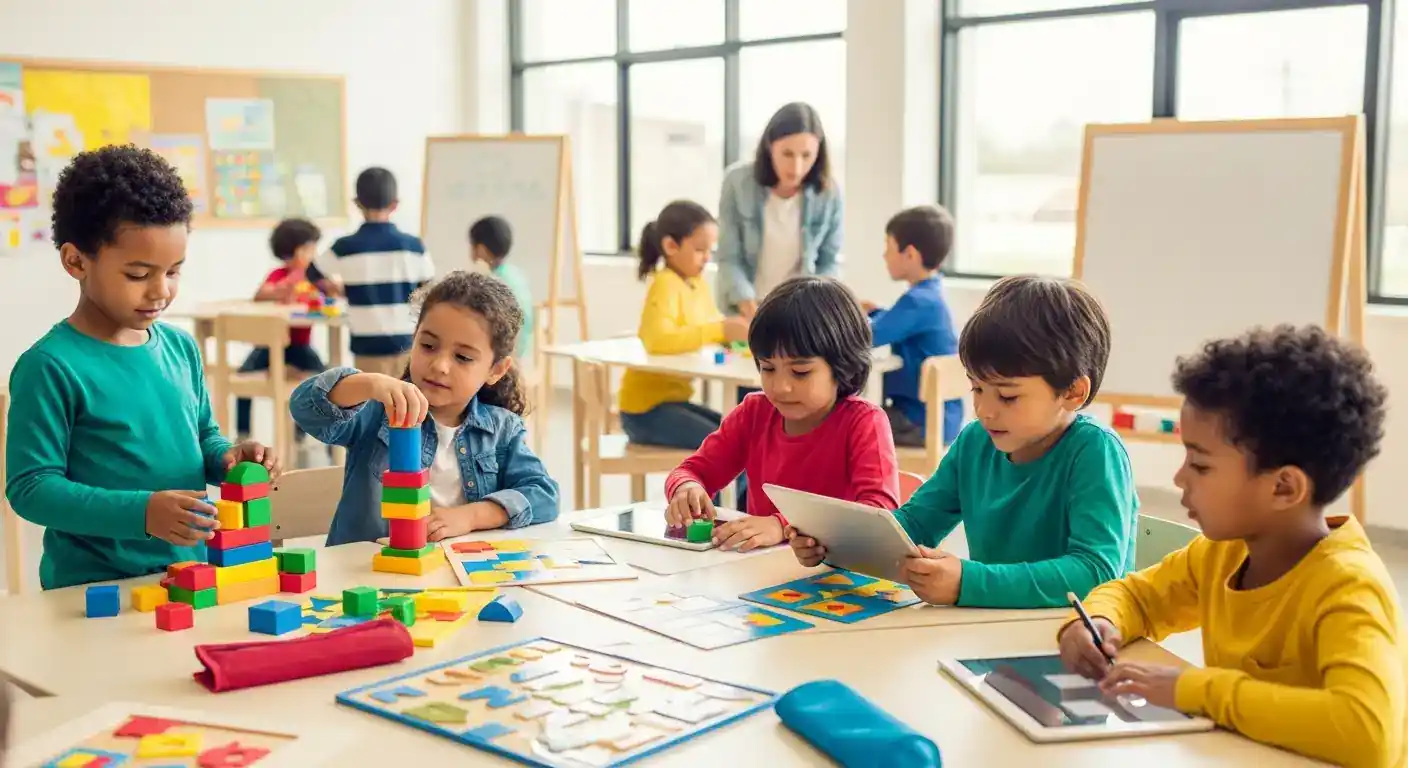
The Enduring Value of Social-Emotional Learning (SEL)
Social-Emotional Learning (SEL) is rapidly gaining recognition as a cornerstone of modern education, transcending traditional academic boundaries. It equips students with critical life skills, encompassing self-awareness, self-management, social awareness, relationship skills, and responsible decision-making. The long-term impact of social-emotional learning on student well-being and academic success extends far beyond the classroom, shaping resilient, empathetic, and academically thriving individuals. Investing in SEL programs cultivates a positive school climate and prepares students for the complexities of a dynamic world. This article delves into how SEL fosters holistic development and sustainable achievements, highlighting its profound benefits throughout a student's life.
Key Points:
- Holistic Development: SEL builds crucial life skills beyond academics.
- Enhanced Well-being: Fosters emotional resilience and mental health.
- Improved Academics: Positively impacts cognitive function and learning.
- Future Readiness: Prepares students for career and life challenges.
- Positive School Climate: Creates supportive and inclusive learning environments.
Understanding Social-Emotional Learning (SEL) in Education
Social-Emotional Learning (SEL) refers to the process through which individuals acquire and effectively apply the knowledge, attitudes, and skills necessary to understand and manage emotions, set and achieve positive goals, feel and show empathy for others, establish and maintain positive relationships, and make responsible decisions. These competencies are not innate but can be taught, practiced, and integrated into daily routines within educational settings.
SEL is often categorized into five core competencies, as defined by the Collaborative for Academic, Social, and Emotional Learning (CASEL):
- Self-Awareness: Recognizing one's own emotions, values, strengths, and limitations.
- Self-Management: Regulating one's emotions, thoughts, and behaviors effectively.
- Social Awareness: Understanding the perspectives of others and empathizing with diverse groups.
- Relationship Skills: Building and maintaining healthy relationships, communicating clearly.
- Responsible Decision-Making: Making constructive choices about personal and social behavior.
These interconnected skills form the bedrock for not only academic achievement but also for navigating personal challenges and contributing positively to society. Integrating SEL into curriculum provides a holistic approach to student development.
How Social-Emotional Learning Fosters Student Well-being Over Time
The cultivation of social-emotional skills profoundly impacts a student's well-being, providing a toolkit for navigating life's emotional landscape. Students with strong self-management skills are better equipped to handle stress, manage impulses, and bounce back from adversity. This resilience is a critical factor in preventing mental health issues and promoting emotional stability.
Recent research highlights a direct correlation between early SEL interventions and reduced rates of anxiety and depression in adolescence. A 2024 study by the Collaborative for Academic, Social, and Emotional Learning (CASEL) indicates that students participating in high-quality SEL programs showed sustained improvements in emotional regulation years later. These foundational skills help students develop a positive self-concept and a greater sense of purpose, significantly enhancing their overall life satisfaction.
The Enduring Link Between SEL and Academic Success
While SEL focuses on non-cognitive skills, its impact on academic performance is undeniable and multifaceted. Students with strong social-emotional competencies demonstrate improved focus, better classroom behavior, and enhanced problem-solving abilities. They are more motivated, persistent in tasks, and better able to collaborate with peers on group projects.
Research published in the Journal of Educational Psychology in early 2025 showcased that elementary school students exposed to consistent SEL curricula achieved statistically higher scores in math and reading. This wasn't merely a short-term gain; the study tracked students for five years, demonstrating lasting academic advantages. The ability to manage emotions and build positive relationships creates an optimal learning environment, allowing students to engage more deeply with academic content and achieve higher levels of academic success.
Differentiated Content: The Neuroscience Behind SEL's Long-Term Impact
Beyond observable behaviors, the long-term impact of social-emotional learning is rooted in neurodevelopmental processes. Emerging neuroscience reveals that SEL practices directly contribute to the development and strengthening of neural pathways associated with executive functions. These include working memory, inhibitory control, and cognitive flexibility – all crucial for complex academic tasks and responsible decision-making.
For instance, mindfulness practices, a common component of SEL, have been shown to increase activity in the prefrontal cortex, the brain region responsible for planning and emotional regulation. This rewiring of the brain helps students develop better self-regulation and problem-solving abilities that endure into adulthood. We now understand that SEL isn't just about coping; it's about actively building brain architecture that supports higher-order thinking and emotional intelligence for a lifetime.
Differentiated Content: Economic and Societal Benefits of SEL Investment
The benefits of SEL extend beyond individual students and classrooms, impacting communities and economies. Studies have begun to quantify the long-term economic return on investment (ROI) of comprehensive SEL programs. According to a 2023 report from the UNESCO Institute for Lifelong Learning, every dollar invested in SEL can yield an $11 return in terms of reduced crime rates, improved public health, increased earning potential, and decreased welfare dependency.
This insight highlights that SEL is not merely an educational add-on but a critical societal investment. By fostering empathy, collaboration, and responsible decision-making, SEL programs cultivate future citizens who are better equipped to contribute to a productive workforce, engage in civic duties, and resolve conflicts peacefully. The cultivation of these skills directly translates into a more stable and prosperous society, demonstrating the broad, long-term impact of social-emotional learning.
Key Components of Effective SEL Implementation
Successful integration of SEL requires a systemic approach, embedding social-emotional skills into every aspect of the school day.
- Curriculum Integration: Weaving SEL competencies into academic subjects, rather than treating them as separate lessons. For example, history lessons can explore empathy through historical figures, while literature can analyze character motivations and relationships.
- Teacher Training: Providing educators with continuous professional development on SEL strategies. Teachers need to model SEL competencies themselves and understand how to explicitly teach and reinforce these skills.
- Positive School Climate: Fostering a supportive, inclusive, and safe environment where students feel a sense of belonging. This involves anti-bullying initiatives, restorative justice practices, and promoting positive peer interactions.
- Family and Community Engagement: Collaborating with parents and guardians to reinforce SEL concepts at home. When families and schools work together, the impact on a child's development is significantly amplified.
For schools looking to enhance their inclusive education practices, a focus on robust SEL implementation is paramount. You can explore more about effective approaches in our category /categories/inclusive-education.
Practical Strategies for Cultivating SEL Skills
Integrating social-emotional learning into daily routines doesn't require overhauling existing structures. Small, consistent efforts can yield significant results.
- Morning Meetings: Start the day with a circle time where students share feelings, set intentions, and practice active listening. This builds community and self-awareness.
- Collaborative Projects: Design group activities that require students to practice communication, conflict resolution, and teamwork. Assign specific roles to ensure all students participate actively.
- Mindfulness Moments: Incorporate short breathing exercises or quiet reflection times to help students manage stress and improve focus. Even five minutes can make a difference.
- Reflection Journals: Encourage students to write about their emotions, challenges, and successes. This promotes self-awareness and self-management.
- Role-Playing Scenarios: Use hypothetical situations to practice empathy and responsible decision-making. For instance, "What would you do if a friend was being bullied?"
These strategies, when applied consistently, create opportunities for students to develop and practice vital social-emotional skills. For more hands-on ideas, consider exploring practical strategies for integrating SEL in an article like /articles/integrating-social-emotional-learning-into-everyday-classroom-activities.
Measuring the Long-Term ROI of SEL Investments
Demonstrating the return on investment for SEL programs is crucial for sustained funding and support. While academic scores offer one metric, a broader perspective is necessary to capture the full long-term impact of social-emotional learning.
- Student Surveys: Regularly assess student perceptions of their own social-emotional competencies, school climate, and sense of belonging.
- Behavioral Data: Track disciplinary referrals, attendance rates, and incidents of bullying or conflict over time. Reductions in these metrics indicate positive impact.
- Teacher and Parent Feedback: Gather qualitative data on observed changes in student behavior, emotional regulation, and academic engagement.
- Longitudinal Studies: Follow cohorts of students to observe the lasting effects of SEL programs on their post-secondary success, career paths, and overall well-being.
By systematically collecting and analyzing this data, schools can effectively communicate the profound and lasting benefits of their SEL initiatives. Understanding how to track these outcomes is key to advocacy; learn more in an article such as /articles/measuring-the-effectiveness-of-social-emotional-learning-programs.
Frequently Asked Questions (FAQ)
What is the primary long-term impact of social-emotional learning on students?
The primary long-term impact of SEL is the development of resilient, adaptable individuals capable of managing emotions, building healthy relationships, and making responsible decisions throughout their lives. This leads to improved mental health, higher academic achievement, better career prospects, and enhanced overall well-being. It equips students with the foundational skills necessary to thrive in an ever-changing world, fostering personal and professional success.
How does SEL improve academic performance in the long run?
SEL improves academic performance by enhancing students' self-regulation, focus, and motivation. Students who can manage their emotions and stress are better able to concentrate in class and engage with complex material. Improved relationship skills foster collaborative learning, while responsible decision-making leads to better study habits and problem-solving approaches. These skills cumulatively build a stronger foundation for sustained academic excellence.
Can social-emotional learning benefit students of all ages?
Yes, social-emotional learning is beneficial for students across all age groups, from early childhood through young adulthood. In early years, it helps establish foundational skills like sharing and empathy. In adolescence, SEL supports identity formation, peer relationships, and stress management. For older students, it hones leadership, critical thinking, and career readiness skills. The specific focus of SEL evolves with age, but its core benefits remain universally applicable.
What role do parents and guardians play in supporting SEL at home?
Parents and guardians play a crucial role in reinforcing SEL competencies learned at school. They can model positive social-emotional behaviors, encourage open communication about feelings, and provide opportunities for children to practice empathy and responsible decision-making. Creating a supportive home environment where emotions are validated and conflicts are resolved constructively significantly amplifies the long-term impact of SEL on a child's development.
Conclusion: A Lifetime of Benefits from SEL
The evidence overwhelmingly supports that the long-term impact of social-emotional learning on student well-being and academic success is profound and enduring. From fostering emotional resilience and mental health to significantly boosting academic achievement and preparing students for future careers, SEL is an indispensable component of a truly inclusive and effective education system. Investing in SEL today is investing in a brighter, more compassionate, and more capable generation tomorrow.
We encourage educators, parents, and policymakers to prioritize and champion robust SEL initiatives. Share your thoughts and experiences in the comments below – how has SEL impacted your community? Subscribe to our newsletter for the latest insights on inclusive education practices.
Extended Reading Suggestions:
- Future of Education: Exploring how SEL prepares students for jobs that don't yet exist.
- Community Impact: The ripple effect of emotionally intelligent graduates on local and global communities.
- Policy & Funding: Advocating for sustainable funding and policy frameworks for widespread SEL implementation.