The Importance of Social-Emotional Learning in Educational Philosophy and Practice
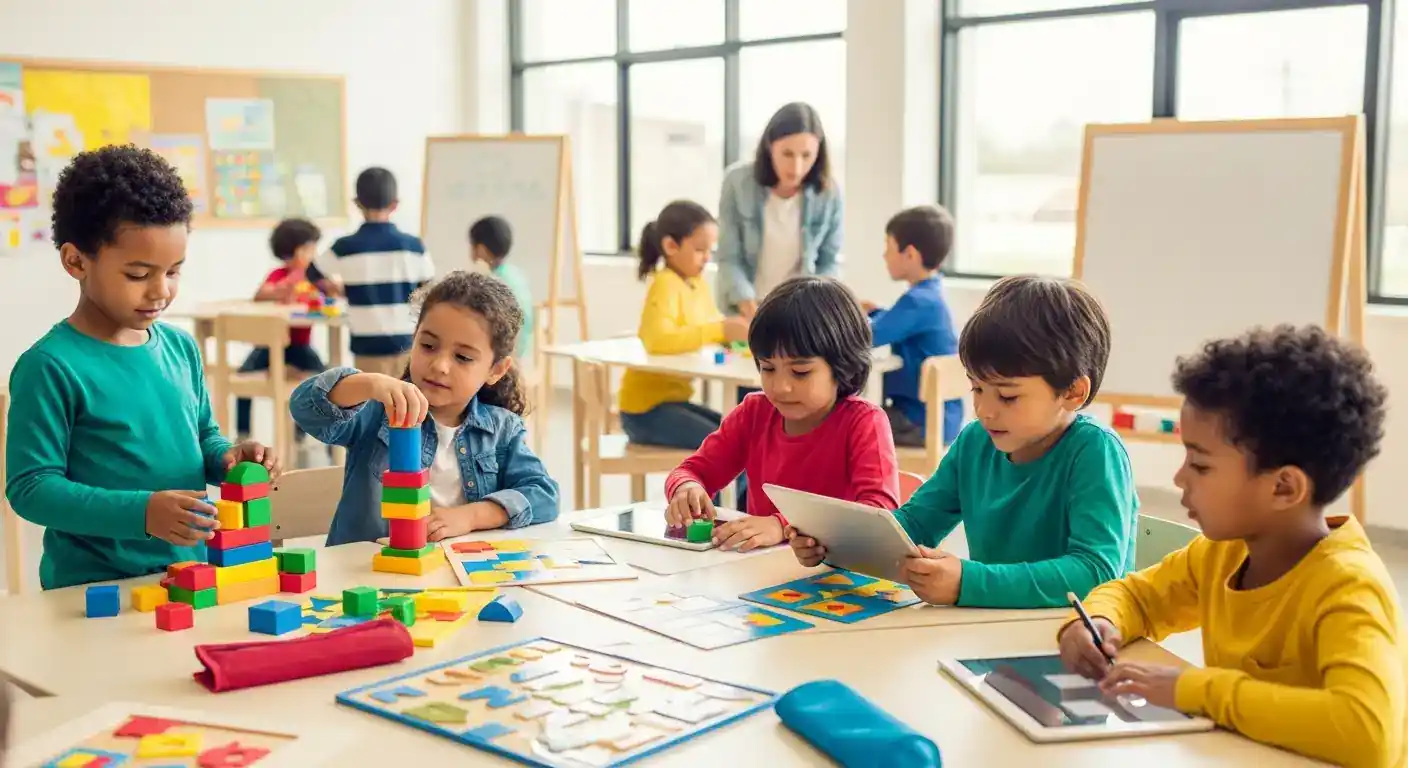
Social-emotional learning (SEL) is increasingly recognized as crucial for student success, influencing educational philosophy and classroom practice. It equips students with essential life skills, fostering a positive learning environment and promoting academic achievement.
Key Points:
- SEL enhances emotional intelligence.
- It promotes positive social interactions.
- SEL improves academic performance.
- It cultivates responsible decision-making.
- SEL builds resilience and self-awareness.
Social-Emotional Learning: A Foundational Shift in Educational Philosophy
Social-emotional learning has become more than just a trend; it’s a fundamental shift in how we understand education. Traditional educational philosophies often prioritized cognitive development. However, modern research emphasizes the interconnectedness of cognitive and social-emotional growth. Incorporating SEL into educational philosophy recognizes that students are whole individuals whose emotional well-being significantly impacts their ability to learn and thrive. This holistic approach acknowledges that academic success is intertwined with social competence, self-awareness, and responsible decision-making.
Implementing Social-Emotional Learning in Educational Practice
Putting SEL into practice requires a multi-faceted approach. This involves integrating SEL into the curriculum, creating a supportive classroom climate, and providing professional development for educators. Practical strategies include explicit instruction in SEL skills, incorporating collaborative learning activities, and fostering opportunities for students to practice self-regulation and conflict resolution.
Cultivating Social-Emotional Learning in the Classroom
Effective implementation of social-emotional learning requires a classroom environment that prioritizes emotional safety and respect. Teachers can create such an environment by modeling positive social interactions, encouraging student voice, and establishing clear expectations for behavior. Utilizing restorative practices and emphasizing empathy can further contribute to a supportive classroom climate.
The Impact of Social-Emotional Learning on Student Success
Research consistently demonstrates the positive impact of SEL on student outcomes. A 2024 study published by the Collaborative for Academic, Social, and Emotional Learning (CASEL) found that students who participated in SEL programs demonstrated improved academic performance, reduced behavioral problems, and increased social competence. These findings highlight the importance of prioritizing social-emotional learning in educational settings. Another study published in the Journal of Educational Psychology in 2023 underscored the long-term benefits of SEL, showing a correlation between strong SEL skills in childhood and positive outcomes in adulthood, including higher educational attainment and improved mental health. My own experience working with students has shown that those with developed SEL skills are better equipped to navigate academic challenges and build positive relationships.
Differentiating SEL Implementation: A Focus on Personalized Learning and Cultural Responsiveness
Two critical aspects often overlooked in SEL implementation are personalized learning and cultural responsiveness. Personalized learning tailors SEL instruction to individual student needs, recognizing that students develop social-emotional skills at different paces. Culturally responsive SEL acknowledges the diverse cultural backgrounds of students and ensures that SEL practices are inclusive and respectful of their unique experiences. These are crucial for maximizing the effectiveness of SEL initiatives.
Internal Linking Suggestions:
- Anchor Text: "restorative practices" - Target: /articles/implementing-restorative-practices-in-schools (related article)
- Anchor Text: "professional development for educators" - Target: /categories/educational-leadership (category)
- Anchor Text: "personalized learning" - Target: /articles/the-benefits-of-personalized-learning-approaches (related article)
FAQ: Addressing Common Questions about Social-Emotional Learning
Q: How does SEL differ from character education?
A: While both SEL and character education aim to develop positive qualities in students, SEL focuses on developing specific skills like self-awareness, self-management, social awareness, relationship skills, and responsible decision-making. Character education often emphasizes moral values and virtues.
Q: How can parents support their child's social-emotional learning at home?
A: Parents can support SEL by modeling positive social-emotional skills, creating a supportive home environment, talking with their children about their emotions, and helping them develop strategies for managing challenging situations.
Q: Is SEL appropriate for all students?
A: Yes, SEL is beneficial for all students, regardless of age, background, or academic ability. It provides essential life skills that contribute to success in school, work, and personal relationships.
Q: How can schools measure the effectiveness of their SEL programs?
A: Schools can assess the effectiveness of SEL programs through various methods, including student surveys, teacher observations, and tracking student outcomes related to social-emotional skills, such as improved behavior and academic performance.
Conclusion: Embracing the Power of Social-Emotional Learning
The importance of social-emotional learning in education cannot be overstated. By integrating SEL into both educational philosophy and practice, we empower students with the essential skills they need to thrive academically, socially, and emotionally. We encourage you to share your experiences with SEL in the comments below. For further reading, explore resources from CASEL (Collaborative for Academic, Social, and Emotional Learning). Consider subscribing to our newsletter for more insights on educational leadership and innovative teaching practices.
Future Expansion Topics:
- The role of technology in supporting social-emotional learning.
- Addressing the specific social-emotional needs of diverse student populations.
- Integrating SEL into different subject areas.
(This article was published on 2025-08-30. Information on SEL practices may evolve. It is recommended to review updated research and resources periodically.)