Practical Applications of Inquiry-Based Learning in Diverse Educational Settings
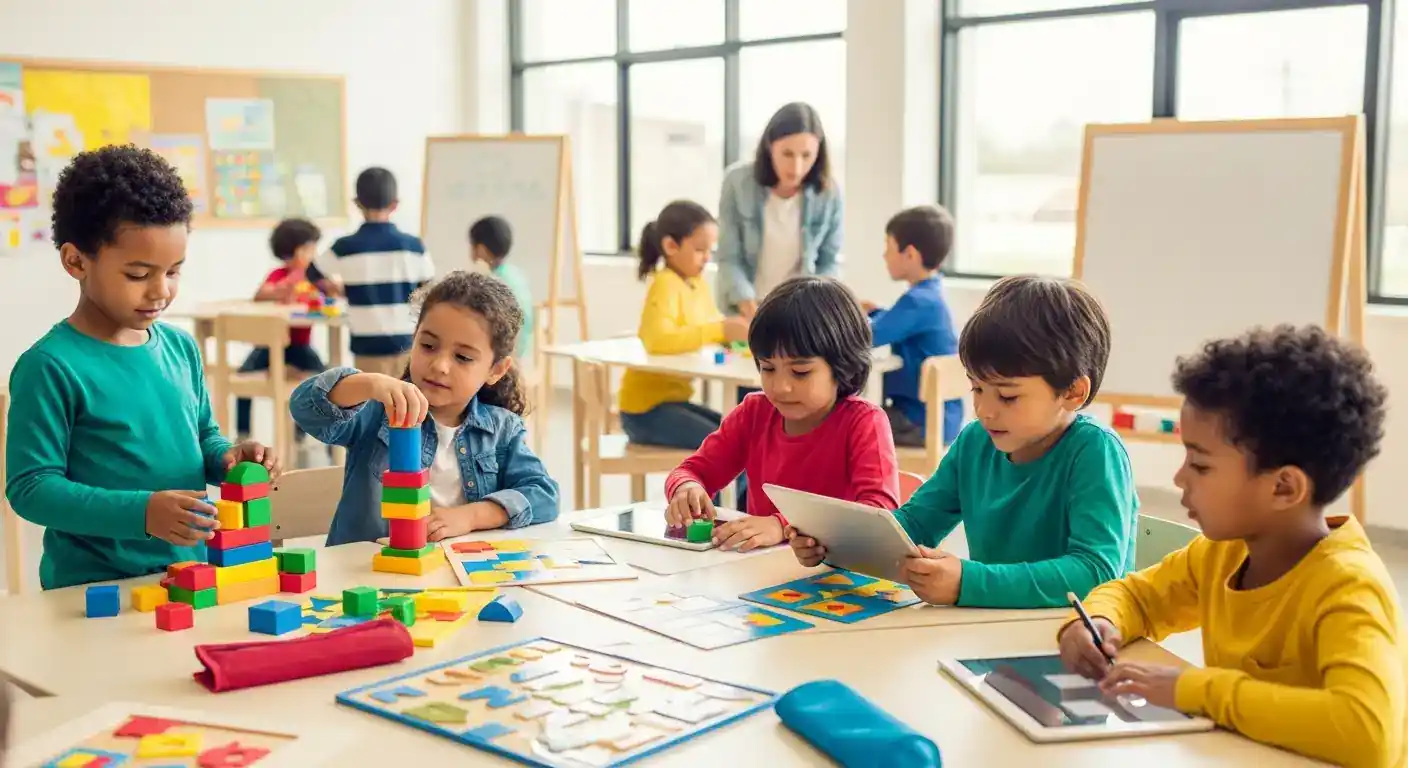
Inquiry-based learning (IBL) is a powerful pedagogical approach that shifts the focus from passive absorption to active exploration. By encouraging students to formulate their own questions, investigate, and construct knowledge, IBL fosters critical thinking, problem-solving skills, and a deeper understanding of the subject matter.
Key Points:
- Active Learning: Students drive their learning experience.
- Critical Thinking: IBL cultivates analytical skills.
- Problem-Solving: Students learn to find solutions independently.
- Deeper Understanding: IBL promotes lasting knowledge.
- Adaptable Approach: IBL works across diverse settings.
Inquiry-Based Learning in K-12 Classrooms
Inquiry-based learning can be effectively implemented across various K-12 subjects. In science, students can design experiments to investigate natural phenomena. For example, elementary students might explore the life cycle of a butterfly through observation and hands-on activities. In social studies, they can analyze primary sources to understand historical events. Using inquiry-based learning activities, students develop a strong sense of ownership over their learning.
Inquiry-Based Learning: Adapting to Higher Education
While often associated with younger learners, inquiry-based learning is equally valuable in higher education. University students can engage in research projects, conduct interviews, and analyze data to answer complex questions. This approach prepares them for the rigors of academic research and professional careers. Promoting critical thinking is a core benefit of this method.
Fostering Inquiry-Based Learning in Diverse Settings
Adapting inquiry-based learning to diverse educational settings requires careful consideration of student needs and available resources. Differentiated instruction is crucial, providing tailored support to ensure all students can actively participate. This might involve offering various modes of inquiry, such as individual research, group projects, or creative presentations. A 2024 study by the National Education Association (NEA) demonstrated positive learning outcomes when IBL was combined with differentiated instruction.
Implementing Effective Inquiry-Based Learning Strategies
Effective implementation of IBL involves creating a supportive learning environment where students feel empowered to ask questions and explore. This includes providing clear learning goals, offering scaffolding and guidance, and fostering collaboration. Open-ended questioning is central to successful IBL.
Inquiry-Based Learning and 21st-Century Skills
Inquiry-based learning aligns perfectly with the demands of the 21st-century workplace. By fostering critical thinking, problem-solving, and collaboration, IBL equips students with the essential skills needed to thrive in a rapidly changing world. This emphasis on real-world application makes IBL a highly relevant pedagogical approach. A 2023 report by the World Economic Forum highlighted the growing importance of these skills.
Differentiating IBL Implementation
Two key differentiators are the focus on personalized learning paths within IBL and the integration of digital tools for collaborative inquiry. Personalized learning paths empower students to delve into areas of particular interest, while collaborative digital platforms facilitate knowledge sharing and peer learning, enhancing the overall IBL experience. These are often overlooked aspects in traditional IBL implementation.
Internal Linking Suggestions:
- Anchor Text: personalized learning paths; Target Page Type: related article; Link: /articles/personalized-learning-strategies
- Anchor Text: collaborative digital platforms; Target Page Type: related article; Link: /articles/effective-digital-tools-for-collaborative-learning
- Anchor Text: differentiated instruction; Target Page Type: category; Link: /categories/education-innovation
FAQs about Inquiry-Based Learning
Q1: What is the difference between inquiry-based learning and traditional instruction?
A1: Traditional instruction typically focuses on teacher-led delivery of information, while inquiry-based learning emphasizes student-driven exploration and discovery. Students formulate questions, investigate, and construct their understanding.
Q2: How can I assess student learning in an inquiry-based setting?
A2: Assessment in IBL can include observations of student engagement, analysis of student work products (e.g., research papers, presentations), and self-reflection journals. Focus on evaluating the process of inquiry as well as the final product.
Q3: How can I implement inquiry-based learning in a large classroom?
A3: Implementing IBL in large classrooms can be facilitated through group work, collaborative projects, and the use of digital tools for communication and collaboration. Clear guidelines and structured activities are essential.
Q4: Is Inquiry-Based Learning suitable for all subjects?
A4: While adaptable across various disciplines, IBL's effectiveness depends on careful planning and alignment with curriculum objectives. Subjects with inherent investigative elements, like science and history, lend themselves naturally to IBL. Adaptations are needed for others.
Conclusion: Embracing Inquiry-Driven Education
Inquiry-based learning offers a powerful pathway to fostering deep understanding and preparing students for the challenges of the 21st century. By embracing inquiry-based learning methods, educators can empower students to become active, engaged learners and lifelong problem-solvers.
Share your experiences with IBL in the comments below. Subscribe to our newsletter for more insights on educational innovation. For further reading, explore resources from the American Educational Research Association (AERA, 2025).
Expandable Subtopics:
- The role of technology in enhancing IBL
- Addressing challenges in implementing IBL
- Case studies of successful IBL implementation
(This article was published on 2025-07-05 and is recommended for review and updates every 6 months to ensure alignment with current educational trends.)