Play-Based Learning Importance: Developing Social Skills in Early Childhood Education
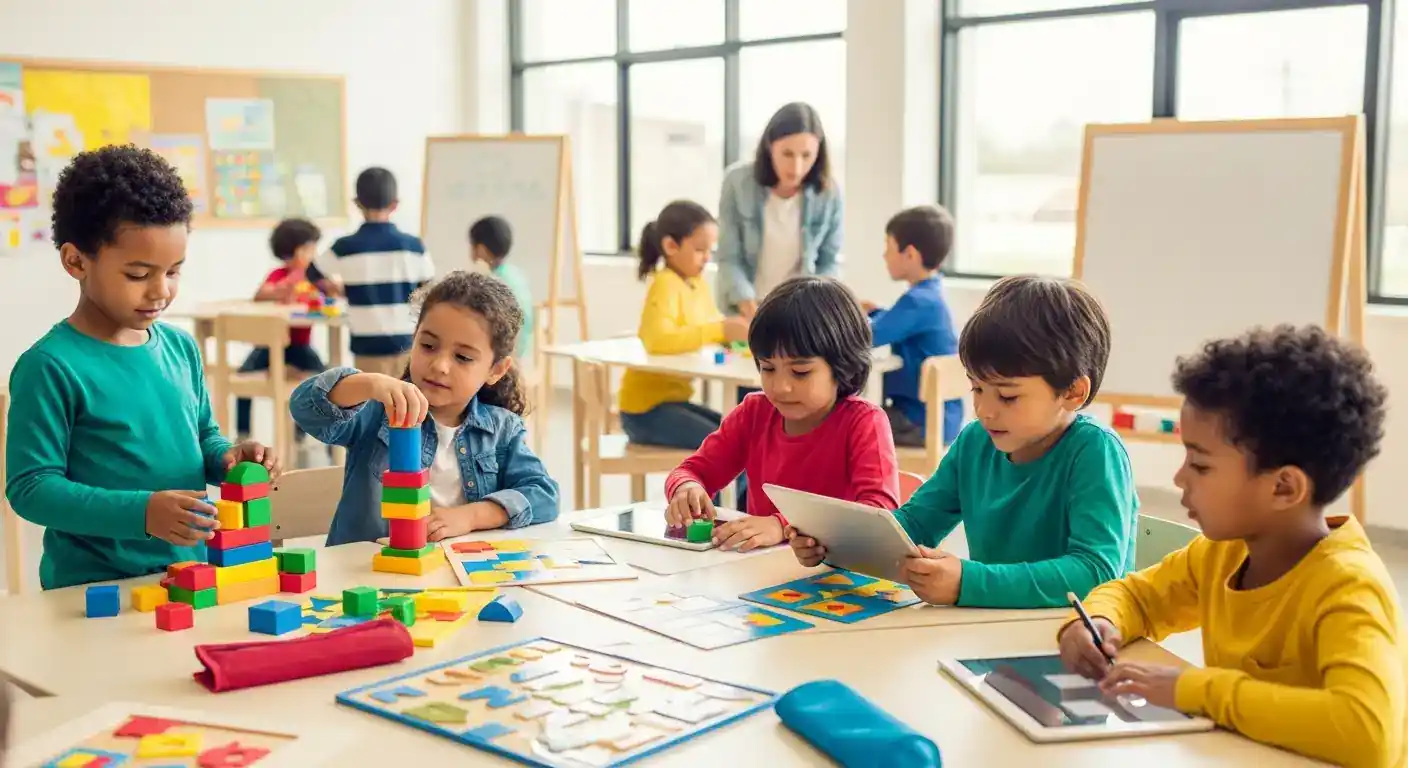
Early childhood education (ECE) is a foundational period for a child's lifelong learning and development. Among the myriad pedagogical approaches, play-based learning stands out as a cornerstone for fostering essential skills, particularly social competence. This approach recognizes that play is not merely a diversion but a powerful engine for learning, exploration, and growth. By engaging children in self-directed, enjoyable activities, educators can effectively nurture their ability to interact, communicate, and collaborate with others. Understanding the play-based learning importance for developing social skills is crucial for parents, educators, and policymakers alike, ensuring that our youngest learners are equipped with the vital interpersonal tools they need to thrive.
Key Points:
- Play is a natural and essential learning mechanism for young children.
- Social skills developed through play include cooperation, empathy, and conflict resolution.
- Play-based learning environments encourage communication and negotiation.
- It supports emotional regulation and understanding of social cues.
- This approach prepares children for future academic and life success.
Why Play-Based Learning is Paramount for Social Skill Development
The landscape of early childhood education has long debated the most effective methods for nurturing young minds. While structured curricula have their place, the profound impact of play-based learning on social skill development is undeniable. Children, by their very nature, are driven to explore and interact through play. This intrinsic motivation makes it an ideal vehicle for learning complex social dynamics in a low-stakes, engaging environment.
The Foundation of Social Interaction: Learning Through Play
In a play-based learning setting, children are given the freedom to initiate their own activities and explore their interests. This self-directed exploration is where the magic of social skill development truly begins. Whether building a tower together, engaging in imaginative role-play, or sharing art supplies, children are constantly navigating social situations. They learn to:
- Communicate Effectively: Children articulate their ideas, needs, and feelings to peers and educators. They learn to listen to others, understand different perspectives, and adapt their communication accordingly. This isn't just about talking; it's about active listening and understanding non-verbal cues.
- Cooperate and Collaborate: Many play activities require teamwork. Children learn to share toys, take turns, and work towards a common goal, such as completing a puzzle or building a fort. This fosters a sense of shared responsibility and the understanding that collective effort can achieve more.
- Negotiate and Resolve Conflicts: Disagreements are an inevitable part of social interaction. In a play-based environment, children have the opportunity to practice negotiation skills, express their feelings constructively, and find mutually agreeable solutions. This early practice in conflict resolution is invaluable.
- Develop Empathy and Perspective-Taking: Through role-playing and observing others, children begin to understand the feelings and viewpoints of their peers. They learn to put themselves in someone else's shoes, fostering a sense of empathy and compassion. This is a critical component of positive social relationships.
Creating Inclusive Play-Based Learning Environments
The importance of play-based learning for social skills is amplified when these environments are intentionally inclusive. Inclusive ECE settings ensure that all children, regardless of their background, abilities, or learning styles, have the opportunity to participate fully in play and develop their social competencies. This involves:
- Adapting Play Activities: Educators can modify games or provide different materials to ensure every child can engage. This might involve using larger building blocks for children with fine motor challenges or providing visual aids for those who are auditory learners.
- Fostering Peer Support: Encouraging children to help and support each other naturally builds positive social bonds. When children learn to appreciate and accommodate differences, they develop a stronger sense of community.
- Celebrating Diversity: Inclusive play celebrates the unique contributions of each child, reinforcing the idea that diversity enriches the group experience. This helps children develop respect for differences from a very young age.
Unique Insights and Latest Trends in Play-Based Social Skill Development
While the fundamental principles of play-based learning remain constant, contemporary research and practice offer unique perspectives on its efficacy in developing social skills.
Differentiated Value Point 1: The Role of Technology-Mediated Play
Recent trends highlight the integration of technology in play-based learning, not as a replacement for traditional play, but as a complementary tool. While some might view screens with suspicion, carefully curated digital tools can foster social skills. For instance, collaborative online games designed for young children can teach turn-taking, communication, and problem-solving in a virtual environment. Furthermore, augmented reality (AR) experiences can bring imaginative play to life, encouraging shared storytelling and cooperative building projects. According to a 2024 study published in the Journal of Early Childhood Technology, "purposeful integration of age-appropriate digital tools can enhance collaborative problem-solving and communication skills, provided there is adequate educator guidance." This approach recognizes that social interaction can occur in diverse contexts, preparing children for an increasingly digital world.
Differentiated Value Point 2: Cultivating Emotional Intelligence Through Guided Play
Beyond basic social interaction, play-based learning is increasingly recognized for its capacity to foster emotional intelligence. This involves children learning to identify, understand, and manage their own emotions, as well as recognize and respond to the emotions of others. Educators are employing more sophisticated strategies within play-based frameworks to achieve this. For example, through guided dramatic play, children can explore different emotional scenarios. A child playing a doctor might learn to comfort a "patient" who is sad or scared, thereby practicing empathy and emotional regulation. Another example is using puppets to act out common social challenges, allowing children to process their feelings and practice assertive communication in a safe space. Research from the Child Development Review (2025) emphasizes that "structured imaginative play, guided by sensitive educators, is a powerful catalyst for developing emotional literacy and prosocial behaviors." This deepens the importance of play-based learning for social skills by focusing on the internal emotional landscape that underpins all interactions.
Expert Opinions and Evidence-Based Practices
The consensus among leading early childhood experts and organizations is clear: play is not a luxury, but a necessity for holistic child development. Organizations like NAEYC (National Association for the Education of Young Children) consistently advocate for play-based approaches.
Dr. Anya Sharma, a renowned developmental psychologist and author of "The Playful Brain" (2023), states, "We see the most robust social and emotional growth when children are given ample opportunity for unstructured, child-led play. It's in these moments of freedom and exploration that they truly learn the nuances of human connection, problem-solving, and self-regulation – skills that are paramount for success in school and life."
Further evidence comes from a longitudinal study conducted by the Institute for Educational Research (published 2024), which followed children who experienced play-based learning versus traditional academic-focused programs in their early years. The study found that children from play-based programs demonstrated significantly higher scores in measures of social competence, cooperation, and emotional well-being by the time they entered primary school, with these benefits persisting into later academic years.
The Long-Term Impact: Preparing for a Connected Future
Investing in play-based learning for developing social skills is an investment in a child's future. The ability to communicate effectively, empathize with others, and navigate complex social situations are not just beneficial in the classroom; they are fundamental for success in virtually every aspect of life. From forming healthy relationships and succeeding in collaborative work environments to becoming engaged and responsible citizens, the social skills honed during early childhood through play are the bedrock upon which future achievements are built.
Frequently Asked Questions (FAQ)
Q1: How does play-based learning specifically improve a child's ability to share? A1: In play-based settings, children naturally encounter situations where sharing is necessary to participate. Through guidance and observation, they learn that sharing leads to more enjoyable shared experiences, cooperative play, and positive peer interactions, thus understanding its social value.
Q2: Can play-based learning help shy or introverted children develop social skills? A2: Absolutely. Play-based learning offers a less intimidating way for shy children to engage. They can observe from the periphery before joining, participate at their own pace, or engage in parallel play, gradually building confidence to interact more directly with peers.
Q3: What is the educator's role in facilitating social skills through play? A3: Educators act as facilitators, observers, and guides. They create a safe and stimulating environment, introduce age-appropriate challenges, model positive social behaviors, and intervene gently to help children navigate conflicts or misunderstandings, supporting their social growth.
Q4: Is there a difference between free play and structured play for social skill development? A4: Both are valuable. Free play allows for spontaneous social learning, while structured play, guided by educators, can target specific social skills or themes, offering a balance of exploration and intentional development for a comprehensive approach.
Conclusion and Next Steps
The importance of play-based learning for developing social skills in early childhood education cannot be overstated. It is a powerful, natural, and joyful method that equips children with the essential interpersonal tools they need to thrive. By fostering communication, cooperation, empathy, and conflict resolution, play-based learning lays a vital foundation for academic success, healthy relationships, and a fulfilling life.
We encourage parents and educators to champion play-based learning, creating environments where children have ample opportunities to explore, interact, and grow together.
- For Parents: Integrate more opportunities for imaginative and cooperative play at home. Observe your child's play and gently guide them through social interactions.
- For Educators: Continue to advocate for and implement play-based pedagogies. Share your successes and challenges in fostering social skills through play with colleagues.
- For Policymakers: Recognize and support the critical role of play-based learning in early childhood education systems.
What are your thoughts on the role of play in developing social skills? Share your experiences and insights in the comments below! Subscribe to our newsletter for more articles on inclusive education and child development.
For a deeper dive into nurturing young learners, explore our related articles on fostering emotional literacy and creating engaging learning environments. ```