Overcoming Challenges in Differentiated Instruction: Practical Solutions for Inclusive Classroom Environments
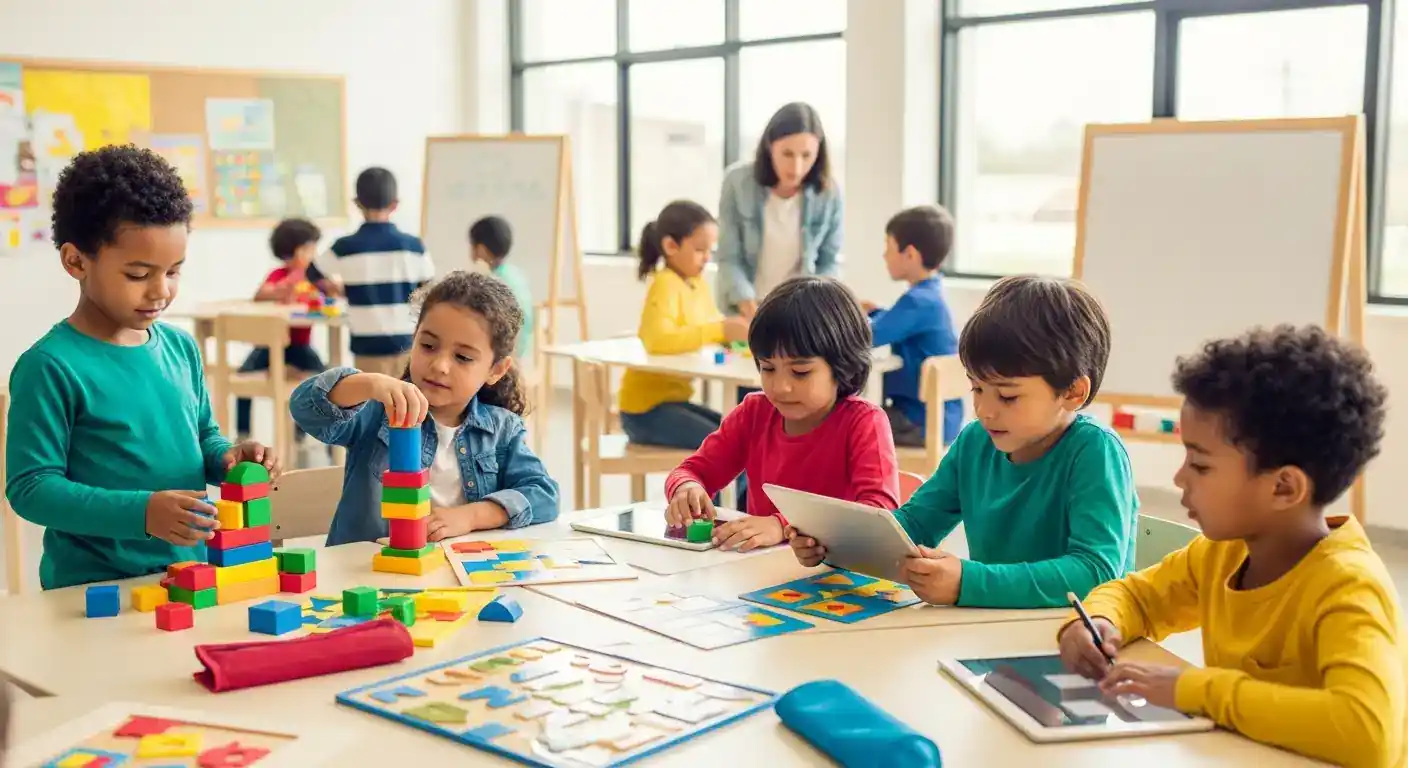
Differentiated instruction is a cornerstone of modern pedagogy, aiming to meet the diverse learning needs of every student in the classroom. While its value in fostering inclusive classroom environments is widely recognized, educators often face significant hurdles in its implementation. Overcoming challenges in differentiated instruction requires not just good intentions but practical, actionable strategies that streamline the process and enhance its effectiveness. This article explores common obstacles and offers concrete solutions to empower teachers in creating dynamic, personalized learning experiences for all.
Key Points for Overcoming Differentiated Instruction Challenges:
- Streamline Planning: Implement efficient planning strategies like batching and leveraging technology to save time.
- Embrace Flexibility: Utilize flexible grouping and tiered assignments to cater to diverse learning needs.
- Utilize Formative Assessment: Employ continuous, low-stakes assessments and clear rubrics for effective progress monitoring.
- Leverage Technology Smartly: Integrate adaptive learning platforms and interactive tools to personalize instruction and reduce workload.
- Foster Collaboration: Engage in Professional Learning Communities and seek administrative support to share resources and best practices.
Understanding the Core Challenges in Differentiated Instruction
Differentiated instruction (DI) is an educational framework that involves tailoring curriculum and teaching methods to meet the individual learning needs of students. Its goal is to maximize student growth and individual success by responding to student readiness, interests, and learning profiles. Despite its clear benefits for inclusive classroom environments, many educators find the practical application of DI daunting. Identifying these core challenges is the first step toward finding effective solutions.
Time Constraints and Workload Management
One of the most frequently cited obstacles in implementing differentiated instruction is the immense demand on a teacher's time. Designing multiple lessons, activities, and assessments for varying student levels can feel overwhelming. The sheer volume of preparation required often leads to teacher burnout and a perception that DI is unsustainable. Teachers often struggle to find sufficient time for planning amidst their numerous other responsibilities.
Practical Solutions for Time Management:
- Batch Planning: Dedicate specific blocks of time to plan for similar groups or recurring tasks across different subjects. This efficient planning strategy can significantly reduce overall preparation time.
- Resource Curation: Actively seek out and curate high-quality, pre-made resources that can be easily adapted. Platforms like Teachers Pay Teachers or open educational resources can be invaluable.
- Technology Integration: Utilize digital tools that automate aspects of differentiation, such as online quiz generators or content delivery platforms.
Addressing Diverse Learning Needs Effectively
Classrooms today are microcosms of society, with students bringing a wide spectrum of abilities, learning styles, cultural backgrounds, and prior knowledge. Catering to this rich diversity can be complex, especially when attempting to provide appropriate levels of challenge and support simultaneously. Managing diverse learning needs while ensuring no student feels singled out is a delicate balance.
Strategies for Varied Learner Profiles:
- Flexible Grouping: Continuously adjust small groups based on specific learning goals, readiness levels, or interests. These groups are temporary and dynamic, allowing students to work with various peers.
- Tiered Assignments: Create tasks with varying levels of complexity, support, or challenge, all focused on the same core learning objective. This allows every student to engage with the curriculum at their optimal level.
- Choice Boards and Learning Menus: Offer students structured choices in how they learn or demonstrate understanding. This empowers student agency and caters to individual interests and learning styles.
Assessment and Progress Monitoring in Differentiated Settings
Assessing student progress becomes more intricate when instruction is differentiated. How does one fairly evaluate students who have completed different tasks or worked at different paces? Ensuring that assessments accurately reflect individual growth while maintaining academic rigor is a significant concern for teachers. Effective differentiation strategies rely on robust assessment methods.
Solutions for Assessment and Progress Monitoring:
- Frequent Formative Assessments: Integrate quick, low-stakes checks for understanding throughout lessons. These provide immediate feedback for both teachers and students, allowing for on-the-fly adjustments.
- Clear Rubrics: Develop comprehensive rubrics that clearly outline expectations for different tiers or choices of assignments. These should focus on core competencies and demonstrate various levels of mastery.
- Student Self-Assessment and Peer Feedback: Empower students to reflect on their own learning and provide constructive feedback to peers. This promotes metacognition and reduces the teacher's grading load.
Resource Scarcity and Material Adaptation
Many schools lack abundant resources specifically designed for differentiated instruction. Teachers often find themselves having to adapt existing materials or create new ones from scratch, further contributing to workload challenges. The process of finding or creating appropriate, high-quality materials for multiple learning levels can be a constant struggle.
Creative Resource Development and Sharing:
- Digital Content Banks: Curate and organize online educational resources, videos, and interactive simulations that can be easily assigned to different student groups.
- Peer Collaboration: Establish strong professional learning communities (PLCs) within the school or district to share differentiated lesson plans, materials, and successful strategies.
- Teacher-Made Adaptations: Develop simple templates or frameworks that can be quickly adapted for various content areas and student needs, reducing the need to reinvent the wheel for every lesson.
Practical Solutions for Inclusive Classroom Environments
Moving beyond identifying challenges, it's crucial to focus on actionable solutions that empower educators. Practical solutions for differentiated instruction center on leveraging tools, frameworks, and collaborative practices.
Leveraging Technology for Personalized Learning
Technology is a powerful ally in the quest for effective differentiated instruction. It can significantly reduce teacher workload while simultaneously enhancing the personalization of learning experiences. According to a 2024 report by EdTech Insights, schools integrating adaptive learning tools saw a 15% increase in student engagement across diverse learners within the first year. This demonstrates technology's tangible impact.
Key Technology Integrations:
- Adaptive Learning Platforms: Utilize software that adjusts content and pace based on individual student performance, providing targeted practice and remediation.
- Interactive Tools: Incorporate educational games, virtual simulations, and multimedia resources that cater to various learning styles and keep students engaged.
- Digital Content Creation and Modification: Use online tools to easily modify text, add audio explanations, or create interactive worksheets, making materials accessible to different learners.
Embracing Universal Design for Learning (UDL)
Universal Design for Learning (UDL) is a proactive framework that addresses diverse learning needs from the outset, rather than reactively differentiating after a lesson is planned. By designing instruction with all learners in mind from the beginning, UDL reduces the need for extensive retrofitting. To delve deeper into this approach, consider exploring Understanding Universal Design for Learning principles.
UDL Principles in Action:
- Multiple Means of Representation: Present information in varied formats (visual, auditory, textual) to cater to different ways students perceive and comprehend.
- Multiple Means of Action & Expression: Offer diverse options for students to demonstrate what they know, moving beyond traditional written tests (e.g., presentations, projects, debates).
- Multiple Means of Engagement: Provide various ways to motivate and sustain student interest, tapping into individual preferences and providing relevance.
Fostering a Collaborative School Culture
The success of differentiated instruction is significantly bolstered by a supportive and collaborative school environment. When teachers feel supported by administration and can openly collaborate with peers, the challenges become far more manageable. A 2023 study published in the 'Journal of Educational Leadership' highlighted that schools with strong PLCs reported significantly higher teacher efficacy in differentiated instruction, noting increased collaboration and shared resource development.
Building a Supportive Network:
- Professional Learning Communities (PLCs): Establish regular meeting times for teachers to share differentiated lesson plans, discuss effective strategies, and collectively troubleshoot challenges.
- Mentorship Programs: Pair experienced teachers who excel at differentiation with those new to the practice, offering guidance and hands-on support.
- Administrative Backing: Ensure school leaders provide necessary professional development, protected planning time, and access to resources to facilitate differentiated instruction.
Data-Driven Differentiation and Continuous Growth
Effective differentiated instruction is an ongoing process of observation, assessment, and adjustment. Relying on student data to inform instructional decisions is paramount for continuous improvement. A critical trend post-2023 is the shift towards personalized professional development pathways for educators, moving away from "one-size-fits-all" training to target specific DI challenges teachers face.
Informing Instruction with Data:
- Regular Data Analysis: Consistently review assessment data, student work samples, and observation notes to identify patterns in student performance and learning gaps.
- Formative Feedback Loops: Create a classroom culture where feedback is frequent and integrated, allowing teachers to adjust instruction in real-time and students to take ownership of their learning.
- Targeted Professional Development: Seek out or advocate for professional learning opportunities that address specific areas of differentiated instruction, such as small-group instruction techniques or advanced assessment strategies.
Cultivating Equity and Engagement Through Differentiated Instruction
Ultimately, the goal of overcoming challenges in differentiated instruction is to create equitable and engaging learning environments where every student can thrive. When implemented thoughtfully, DI not only addresses academic needs but also supports the holistic development of students.
Prioritizing Student Voice and Choice
Empowering students by giving them a voice and choice in their learning journey is a powerful motivator. This approach not only boosts student engagement but also fosters a sense of ownership and responsibility. In my experience, when students are given autonomy over how they demonstrate learning, their motivation soars, often leading to more creative and deeper understanding. I recall a project where students chose between creating a podcast, a documentary, or a research paper on the same topic; the quality of work was exceptional across all modalities.
Ways to Integrate Student Voice:
- Learning Goal Setting: Involve students in setting personal academic goals and identifying strategies to achieve them.
- Flexible Task Selection: Allow students to choose from a menu of activities or projects that address a common learning objective.
- Feedback Integration: Regularly solicit student feedback on instructional methods and make adjustments based on their input.
Addressing the Emotional and Social Aspects
Differentiated instruction extends beyond academic adjustments; it significantly impacts students' social-emotional well-being. A growing area of focus is the integration of trauma-informed practices within DI. This ensures that adaptations consider students' emotional needs and past experiences, not just academic gaps, creating a truly supportive learning environment. This holistic approach is fundamental to fostering student development.
Supporting Social-Emotional Learning (SEL):
- Building Relationships: Prioritize strong teacher-student relationships to understand individual needs and create a safe space for learning.
- Promoting Collaboration: Design activities that encourage positive peer interaction and collaborative problem-solving, building social skills.
- Mindful Differentiation: Be sensitive to student feelings when grouping or assigning differentiated tasks, ensuring all students feel valued and capable.
Frequently Asked Questions
Q1: How can I differentiate instruction without increasing my planning time significantly? A1: Focus on smart planning. Utilize batch planning by grouping similar tasks or content. Leverage existing, high-quality resources that can be easily adapted. Integrate technology like adaptive learning platforms or digital tools to automate aspects of content delivery and assessment, freeing up your time for deeper instructional design.
Q2: What is the most effective way to assess students in a differentiated classroom? A2: The most effective approach combines frequent formative assessments with clear, common rubrics. Use quick checks for understanding throughout lessons to gauge learning in real-time. Develop rubrics that clearly outline expectations for various levels of tiered assignments, ensuring fair and transparent evaluation based on core learning objectives.
Q3: Is differentiated instruction suitable for all grade levels and subjects? A3: Absolutely. Differentiated instruction is a highly adaptable framework. While the specific strategies might vary (e.g., choice boards in elementary vs. complex project-based learning in high school), the core principle of tailoring instruction to student needs applies universally across all grade levels and subject areas.
Q4: How can I gain support from my administration for differentiated instruction initiatives? A4: Present a clear rationale for differentiated instruction, highlighting its benefits for student achievement and engagement. Share data or case studies showcasing positive outcomes. Request specific resources, professional development, or protected planning time. Engage in school-wide professional learning communities to demonstrate collaborative efforts and success.
Conclusion: Empowering Every Learner
Overcoming challenges in differentiated instruction is an ongoing journey that demands dedication, creativity, and a willingness to adapt. By embracing practical solutions, leveraging technology, fostering collaborative cultures, and continuously learning from data, educators can transform daunting obstacles into opportunities for growth. The reward is a truly inclusive classroom where every student feels seen, supported, and challenged to reach their full potential, ultimately enriching the entire learning community.
We encourage you to share your experiences, strategies, and successes in implementing differentiated instruction in the comments below. Your insights can inspire and inform fellow educators. Subscribe to our newsletter for more articles, tips, and resources on creating dynamic and inclusive learning environments.