Navigating the Challenges and Rewards of Implementing Critical Pedagogical Approaches in Diverse Learning Environments
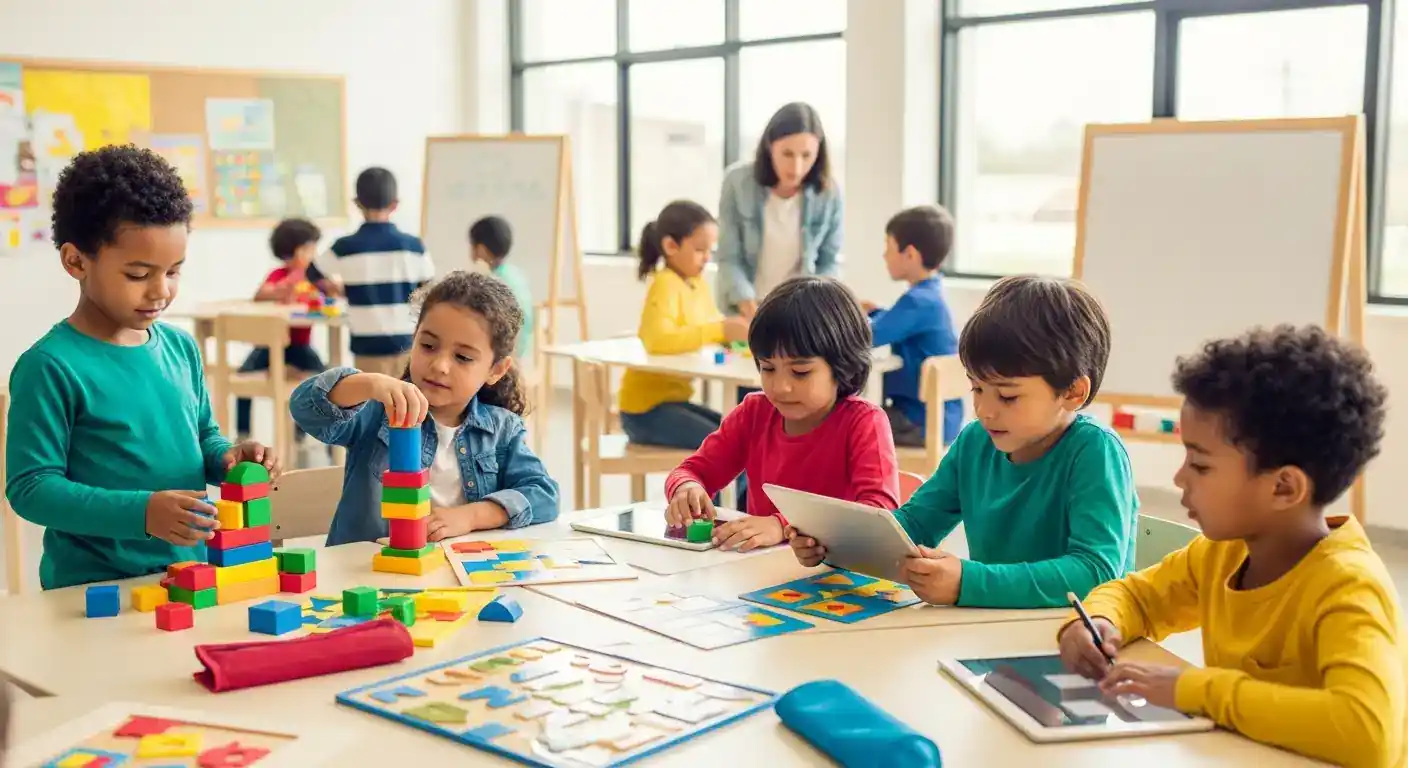
Navigating Critical Pedagogical Approaches: A Transformative Journey
Implementing critical pedagogical approaches in diverse learning environments offers a powerful path to transformative education. This methodology moves beyond traditional rote learning, encouraging students to critically examine the world, question power structures, and engage in meaningful action. While highly rewarding, this journey presents unique challenges that require thoughtful navigation, especially when working with varied student populations and institutional contexts. Understanding both the hurdles and the significant benefits is crucial for educators striving to foster truly equitable and empowering learning experiences. This article delves into how to effectively implement these approaches, highlighting key strategies and potential pitfalls.
Key Points:
- Empowers Learners: Critical pedagogy fosters student agency and voice.
- Challenges Systemic Issues: Encourages questioning societal norms and power.
- Requires Adaptation: Effective in diverse learning environments with tailored strategies.
- Professional Development: Essential for educators to implement these methods effectively.
- Long-term Impact: Leads to deeper understanding and active citizenship.
Understanding Critical Pedagogical Approaches in Modern Education
Critical pedagogical approaches are rooted in the work of thinkers like Paulo Freire, advocating for an education that liberates rather than domesticates. It's not just about what students learn, but how they learn and how that learning can catalyze social change. This framework emphasizes dialogue, problem-posing, and praxis—the reflective action that transforms the world. In today's complex society, where information is abundant but critical discernment is scarce, these approaches are more vital than ever for developing informed, active citizens.
At its core, critical pedagogy aims to dismantle oppressive structures within education and society. It invites learners to become co-creators of knowledge, rather than passive recipients. This fundamental shift requires educators to rethink their roles, moving from lecturers to facilitators of inquiry and critical dialogue. The goal is to cultivate students' ability to analyze, critique, and ultimately transform their social realities.
Addressing the Challenges of Implementing Critical Pedagogy
Implementing critical pedagogical approaches can be met with significant resistance and practical difficulties. Educators often face an uphill battle against established norms, resource limitations, and varying levels of student and institutional readiness.
Overcoming Resistance in Diverse Learning Environments
One of the primary challenges is resistance, which can come from multiple sources. Students, accustomed to traditional teaching methods, might initially struggle with the open-ended nature and increased responsibility of critical pedagogy. They may feel uncomfortable challenging authority or engaging in deeply personal reflection. Similarly, colleagues or administrators might view these approaches as too radical, difficult to assess, or a deviation from standardized curricula.
- Student Discomfort: Learners may prefer clear instructions and 'right' answers over open-ended inquiry.
- Faculty Skepticism: Some educators may doubt the practicality or academic rigor of these methods.
- Institutional Inertia: Established policies, assessment metrics, and funding models often prioritize traditional pedagogies.
To mitigate this, educators must strategically introduce critical elements, building trust and demonstrating the value over time. Gradual implementation, coupled with clear communication about goals and benefits, can help ease anxieties. Offering specific examples of how critical thinking skills translate into real-world success can also be persuasive.
Navigating Curriculum Constraints and Assessment Hurdles
Curriculum design often presents a major barrier. Many educational systems operate with rigid, content-heavy curricula that leave little room for the extended inquiry and project-based learning central to critical pedagogy. Aligning critical pedagogical goals with mandated learning outcomes requires creative curriculum re-imagining. This might involve finding interdisciplinary connections or framing existing content through a critical lens.
Assessment is another significant hurdle. Traditional tests and quizzes often fail to capture the nuanced critical thinking, dialogue, and social action that critical pedagogy fosters. Measuring the impact of critical pedagogical approaches necessitates alternative assessment methods. These could include portfolios, reflective journals, community action projects, peer evaluations, and argumentative essays that demonstrate critical analysis. Educators must develop rubrics that value process, critical engagement, and demonstrable change in perspective, not just content recall.
Ensuring Teacher Preparedness and Professional Development
Successful implementation hinges on adequately prepared educators. Many teachers have not received training in critical pedagogy during their initial education, leaving them feeling ill-equipped to facilitate complex discussions or design problem-posing activities. A significant challenge is providing ongoing, relevant professional development that goes beyond theoretical understanding to practical application. This training should focus on:
- Facilitation Skills: Guiding difficult conversations and managing diverse perspectives.
- Curriculum Adaptation: Integrating critical questions into existing content.
- Reflective Practice: Encouraging teachers to critically examine their own biases and teaching methods.
According to a 2024 report by the Global Education Futures Initiative, only 15% of educators worldwide feel adequately prepared to implement learner-centered, critical thinking-focused pedagogies in diverse classroom settings. This highlights a pressing need for targeted professional learning opportunities.
For educators seeking further insights into contemporary teaching strategies, exploring our category on Learning Theories can provide additional resources and perspectives.
The Profound Rewards of Critical Pedagogical Approaches
Despite the challenges, the rewards of adopting critical pedagogical approaches are transformative for students, educators, and communities. These methods cultivate not just knowledge, but also agency, empathy, and a commitment to social justice.
Fostering Student Empowerment and Deeper Learning
Perhaps the most significant reward is the empowerment of students. Critical pedagogy transforms learners from passive recipients to active agents in their own education and in shaping their world. They learn to question, analyze, and articulate their perspectives, developing robust critical thinking skills. This leads to deeper understanding of complex issues, as students connect academic content to real-world problems and personal experiences.
Students develop a stronger sense of self-efficacy and ownership over their learning. This agency is crucial for long-term academic success and civic engagement. When students see their voices valued and their experiences reflected in the curriculum, their motivation and engagement soar. This also helps in creating truly equitable education outcomes.
Cultivating Social Justice and Active Citizenship
Critical pedagogy intrinsically links learning to social justice. By engaging with real-world issues of power, inequality, and oppression, students develop a heightened sense of empathy and a commitment to action. They learn to identify systemic injustices and consider how they can contribute to positive change within their communities and beyond.
- Increased Empathy: Understanding diverse perspectives and lived experiences.
- Civic Engagement: Motivating students to participate in democratic processes.
- Advocacy Skills: Developing the ability to speak out against injustice.
This approach moves education beyond individual achievement to collective responsibility, preparing students to be active, informed citizens who strive for a more just and equitable society. As highlighted in a recent article from the Journal of Transformative Learning (2023), pedagogical approaches centered on critical inquiry significantly correlate with increased civic participation rates among young adults.
Enhancing Engagement and Inclusivity
In diverse learning environments, critical pedagogy excels at enhancing student engagement. By allowing students to bring their own experiences, cultures, and languages into the classroom dialogue, it makes learning relevant and personal. This inclusive approach ensures that a wider range of voices are heard and valued, enriching the learning experience for everyone.
For example, a history lesson on colonialism might move beyond a simple narrative of dates and figures to explore its lasting impact on indigenous communities today, inviting students from those backgrounds to share their perspectives. This makes the learning far more engaging and meaningful, fostering a sense of belonging and intellectual curiosity among all learners.
Effective Implementation Strategies for Critical Pedagogical Approaches
Implementing critical pedagogical approaches effectively requires thoughtful planning and consistent effort. Educators must be intentional about creating a classroom culture that supports critical inquiry and dialogue.
Building a Foundation of Trust and Dialogue
Establishing a safe and trusting classroom environment is paramount. Students must feel comfortable sharing their perspectives, even controversial ones, without fear of judgment. This involves:
- Active Listening: Modeling respectful engagement with differing viewpoints.
- Clear Norms: Co-creating guidelines for respectful dialogue and debate.
- Vulnerability: Educators sharing their own learning journeys and challenges.
This foundational trust enables the deep, reflective discussions that are characteristic of effective critical pedagogy. It’s also important to explicitly teach students how to engage in productive conflict and dissent.
Integrating Problem-Posing Education
Central to critical pedagogy is the concept of problem-posing. Instead of providing answers, educators present real-world problems or challenging questions that students must collectively investigate and analyze. This could involve local community issues, global challenges, or even dilemmas within the academic discipline itself.
For instance, in a science class, instead of just learning about environmental degradation, students might investigate a specific local pollution issue, research its causes, and propose solutions. This hands-on, inquiry-based approach makes learning highly relevant and fosters deeper critical thinking. For a deeper dive into inquiry-based learning, consider exploring our article: fostering-student-curiosity-through-inquiry-based-learning.
Differentiated Strategies for Diverse Learners
In truly diverse learning environments, critical pedagogy must be adapted to meet the varied needs of students, including those with different learning styles, cultural backgrounds, and neurodiversities. This differentiation ensures that all students can access and engage with the critical content.
- Multiple Modalities: Presenting information through text, visuals, audio, and kinesthetic activities.
- Culturally Responsive Pedagogy: Incorporating materials and perspectives relevant to students' cultural backgrounds.
- Neuro-inclusive Practices: Providing flexible deadlines, choice in assignments, and varied ways to demonstrate understanding for students with diverse cognitive profiles.
A 2025 white paper from the Centre for Inclusive Education highlighted that differentiated critical pedagogy significantly improves engagement and academic outcomes for neurodiverse learners, enabling them to connect with content on a deeper, more personal level. Educators should view student diversity as an asset, leveraging varied experiences to enrich classroom discussions and problem-solving efforts. Another great resource for educators is our article on inclusive-teaching-strategies-for-diverse-classrooms.
FAQ Section: Critical Pedagogy in Practice
Q1: What is the main goal of critical pedagogy?
A1: The main goal of critical pedagogy is to empower learners to critically analyze societal structures, challenge injustices, and actively participate in creating a more equitable world. It aims to move beyond rote memorization, fostering deep understanding, agency, and a commitment to social change through reflective action and dialogue.
Q2: How can I assess student learning in a critical pedagogy classroom?
A2: Assessing learning in a critical pedagogy classroom requires moving beyond traditional tests. Effective methods include reflective journals, portfolios, project-based assessments (e.g., community action projects), peer evaluations, and argumentative essays that demonstrate critical analysis and application of concepts to real-world issues. The focus is on process, critical engagement, and personal transformation.
Q3: Is critical pedagogy only for social sciences or humanities?
A3: While often associated with social sciences and humanities, critical pedagogy can be effectively applied across all disciplines, including STEM. It involves framing disciplinary content through critical questions about power, ethics, and societal impact. For instance, in science, students could critically examine the ethical implications of genetic engineering or the politics of climate change research.
Q4: How do I handle resistance from students or parents when implementing these approaches?
A4: Handling resistance requires clear communication and transparency. Educate students and parents about the goals and benefits of critical pedagogy, emphasizing the development of critical thinking, problem-solving, and civic engagement skills. Start with less controversial topics, gradually building trust and demonstrating positive outcomes. Open dialogue and addressing concerns directly can help build support.
Conclusion: Embracing Transformative Learning
Implementing critical pedagogical approaches is not merely an educational technique; it's a commitment to transformative learning. While the journey is fraught with challenges, from navigating resistance to reimagining assessment, the rewards of fostering student empowerment, deeper understanding, and a commitment to social justice are profound. By embracing dialogue, problem-posing, and differentiated strategies within diverse learning environments, educators can cultivate spaces where every student learns to critically engage with the world and become an agent of positive change.
We encourage educators to explore these transformative methods within their own classrooms. Share your experiences in the comments below, or consider subscribing to our newsletter for more insights into innovative learning theories and practices.
Extended Reading Suggestions:
- Paulo Freire's "Pedagogy of the Oppressed": The foundational text for critical pedagogy.
- Bell Hooks' "Teaching to Transgress: Education as the Practice of Freedom": A contemporary application of critical pedagogy.
- Recent works on culturally responsive and neuro-inclusive pedagogies: To further enhance critical approaches in diverse settings.
Information Timeliness: This article reflects current best practices and research in critical pedagogy as of its publication date (November 2025). Educational methodologies evolve, and we recommend checking for updated research periodically.
Future Subtopics for Expansion:
- The role of digital tools in facilitating critical pedagogical approaches.
- Measuring the long-term impact of critical pedagogy on civic engagement.
- Case studies of successful critical pedagogy implementation in specific cultural contexts.