Montessori Method: Child-Centered Learning for Holistic Development
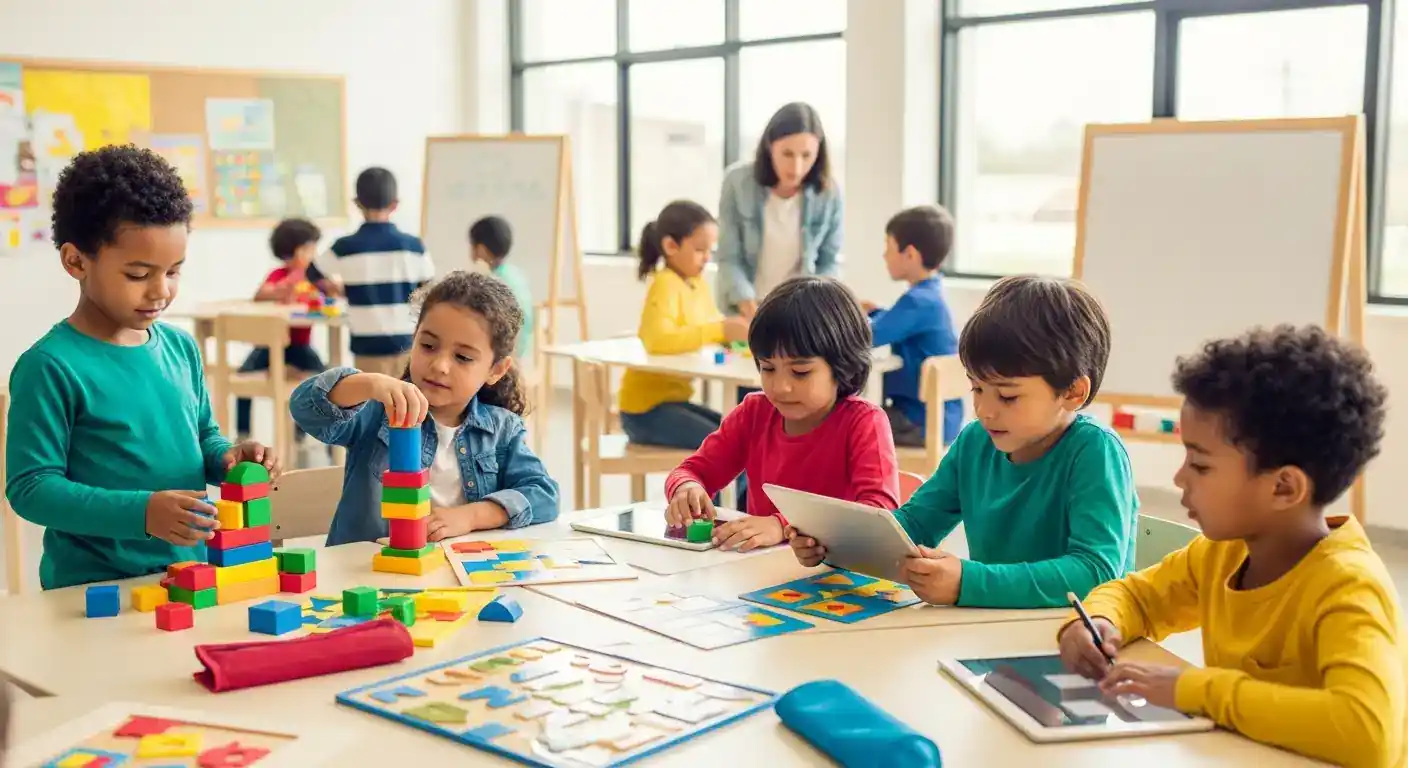
Montessori Method: Child-Centered Learning for Holistic Development
The Montessori Method is a renowned educational approach that champions child-centered learning, focusing on the holistic development of each individual. Developed by Dr. Maria Montessori, this philosophy emphasizes independence, respect for a child's natural psychological, physical, and social development, and a carefully prepared environment. It moves beyond traditional rote learning, instead fostering an intrinsic love for discovery and a deep understanding of concepts through hands-on experience. This method aims to cultivate not just academic skills but also critical life skills, emotional intelligence, and a strong sense of self.
At its core, the Montessori Method recognizes that children are naturally curious and capable learners. By providing them with the freedom to explore within a structured setting, it empowers them to develop at their own pace and pursue their unique interests. This approach has gained significant traction globally for its proven ability to nurture well-rounded, self-motivated individuals.
Key Points of the Montessori Method:
- Child-Led Exploration: Children choose their activities and learn at their own pace.
- Prepared Environment: Classrooms are designed to support self-directed learning and discovery.
- Hands-On Learning: Emphasis on tactile, concrete experiences with specialized materials.
- Mixed-Age Classrooms: Fosters peer learning, mentorship, and a sense of community.
- Fosters Independence: Encourages self-reliance, problem-solving, and self-correction.
Understanding the Core Principles of Montessori Education
The Montessori Method is built upon several foundational principles that guide its implementation in educational settings. These principles are designed to create an optimal learning environment where children can thrive intellectually, emotionally, and socially. Understanding these tenets is crucial for appreciating the depth and effectiveness of this child-centered approach.
One primary principle is the prepared environment. This refers to a classroom meticulously organized with age-appropriate, self-correcting materials that invite children to explore and learn independently. Every item has a purpose, from practical life tools that teach daily skills to sensorial materials that refine the senses. This environment is not just aesthetically pleasing but functionally designed to meet the developmental needs of children.
Another cornerstone is the concept of self-directed learning. Children are given the freedom to choose their activities and work at their own pace, fostering a deep sense of ownership over their education. The role of the teacher, or "guide," shifts from lecturer to observer and facilitator, intervening only when necessary to introduce new concepts or redirect a child. This approach respects the child's innate drive to learn and discover.
The Prepared Environment: A Foundation for Self-Directed Learning
The prepared environment is perhaps the most distinctive feature of the Montessori Method. It is far more than just a classroom; it is a carefully constructed ecosystem designed to support the child's natural development. This environment is typically divided into distinct areas, each focusing on a specific aspect of learning and development.
- Practical Life Area: This section includes activities that mimic daily tasks, such as pouring, sweeping, buttoning, and food preparation. These exercises help children develop fine motor skills, concentration, coordination, and a sense of order. They also build confidence and independence by allowing children to master skills relevant to their everyday lives.
- Sensorial Area: Materials here are designed to isolate and refine the senses. Children work with objects that vary in size, shape, color, texture, weight, and sound. Examples include the Pink Tower, Brown Stair, and Knobbed Cylinders. These activities help children categorize and understand the world around them, laying a foundation for mathematical and scientific concepts.
- Language Area: This area is rich with materials that support language acquisition, from phonetic sounds and sandpaper letters to movable alphabets and reading exercises. Children learn to read, write, and express themselves effectively, often progressing at a remarkable pace due to the hands-on and individualized nature of the materials.
- Mathematics Area: Concrete materials are used to introduce abstract mathematical concepts. Children learn about numbers, quantities, operations, and geometry through manipulation of beads, spindles, and other specialized tools. This tangible approach ensures a deep conceptual understanding before moving to abstract symbols.
- Culture Area: This section encompasses geography, history, botany, zoology, and art. Children explore different cultures, learn about the natural world, and engage in creative expression. This broad exposure fosters a global perspective and a lifelong curiosity about the world.
Fostering Independence and Holistic Development
One of the most significant benefits of Montessori for children is its profound impact on their independence and overall holistic development. By allowing children to make choices, solve problems, and correct their own mistakes, the method cultivates a strong sense of self-efficacy and responsibility. Children learn to trust their own abilities and develop an internal locus of control.
This focus on independence extends beyond academic tasks. Children in Montessori environments often demonstrate advanced practical life skills, such as dressing themselves, preparing snacks, and caring for their classroom. These skills contribute to a child's self-esteem and prepare them for greater autonomy in later life. The mixed-age classroom structure further enhances this, as older children naturally mentor younger ones, reinforcing their own learning and developing leadership qualities.
Recent research, such as a study published in the Journal of Educational Psychology in 2023, suggests that children in Montessori programs often exhibit superior social and emotional skills compared to their peers in traditional settings. They tend to be more adaptable, show greater empathy, and possess stronger problem-solving capabilities. This evidence underscores the method's effectiveness in nurturing not just intellect but the whole child.
Differentiated Value: Montessori in the Modern Age
While the core principles of the Montessori Method remain timeless, its application continues to evolve, offering differentiated value in today's educational landscape. One unique insight is the increasing recognition of Montessori's alignment with modern neuroscience findings on brain development. The emphasis on hands-on, multi-sensory learning directly supports how the brain naturally processes and retains information, particularly during critical sensitive periods of development. This scientific backing provides a robust argument for its efficacy.
Furthermore, the Montessori approach is proving particularly relevant in fostering skills crucial for the 21st century, such as critical thinking, creativity, and collaboration. Unlike traditional models that often prioritize rote memorization, Montessori cultivates intrinsic motivation and a deep understanding, which are essential for navigating complex challenges. For instance, the self-correction built into Montessori materials encourages resilience and a growth mindset, vital attributes in a rapidly changing world. A report by the Montessori Global Foundation in 2024 highlighted how Montessori graduates often excel in fields requiring innovation and independent thought, demonstrating the long-term impact of this early educational foundation.
Integrating Montessori Principles into Diverse Learning Environments
The adaptability of the Montessori Method means its principles can be integrated into various learning environments, not just dedicated Montessori schools. Parents can apply aspects of the prepared environment at home, creating accessible spaces for children to engage in practical life activities and self-directed play. Educators in traditional settings can also adopt elements like multi-age grouping for certain activities or incorporate hands-on learning materials to enhance engagement.
For more information on creating a supportive home learning environment, readers can explore related articles on early childhood development and educational psychology. Understanding the nuances of child-centered learning can transform any space into a rich learning ground.
Authoritative Insights and Future Directions
The enduring relevance of the Montessori Method is continually reinforced by contemporary educational research. A comprehensive review published in Child Development Perspectives in late 2023 highlighted the significant positive correlations between Montessori education and children's executive function skills, including working memory, cognitive flexibility, and inhibitory control. This suggests that the structured freedom inherent in Montessori classrooms directly contributes to the development of these crucial cognitive abilities.
Moreover, the International Montessori Journal in its 2025 edition featured case studies demonstrating the successful implementation of Montessori principles in diverse cultural and socio-economic contexts, proving its universal applicability. These studies often point to improved academic outcomes, enhanced social cohesion, and reduced behavioral issues when the method is faithfully applied. This body of evidence solidifies the Montessori Method as a robust and effective educational framework for holistic development.
Frequently Asked Questions About the Montessori Method
What is the primary goal of the Montessori Method?
The primary goal of the Montessori Method is to foster the holistic development of a child, encompassing their intellectual, emotional, social, and physical growth. It aims to cultivate independence, self-motivation, a love for learning, and a deep understanding of the world, preparing children to become adaptable and responsible individuals.
How does the Montessori classroom differ from a traditional classroom?
Montessori classrooms differ significantly from traditional ones by featuring a "prepared environment" with specialized, self-correcting materials. Children engage in self-directed learning, choosing their activities and working at their own pace, often in mixed-age groups. The teacher acts as a guide rather than a lecturer, observing and facilitating learning.
Is the Montessori Method suitable for all children?
The Montessori Method is designed to be adaptable and beneficial for a wide range of children, including those with diverse learning styles and needs. Its individualized approach allows each child to progress at their own pace, making it inclusive. However, a child's personality and family values also play a role in how well they adapt to and thrive within this unique educational philosophy.
How can parents incorporate Montessori principles at home?
Parents can incorporate Montessori principles at home by creating a "prepared environment" that encourages independence. This includes providing child-sized tools, accessible materials, and opportunities for practical life activities like helping with chores. Encouraging choice, observation, and allowing children to learn through exploration are key aspects to integrate.
Embrace Child-Centered Learning
The Montessori Method offers a powerful paradigm for