Montessori Method: Child-Centered Learning and Independence Development
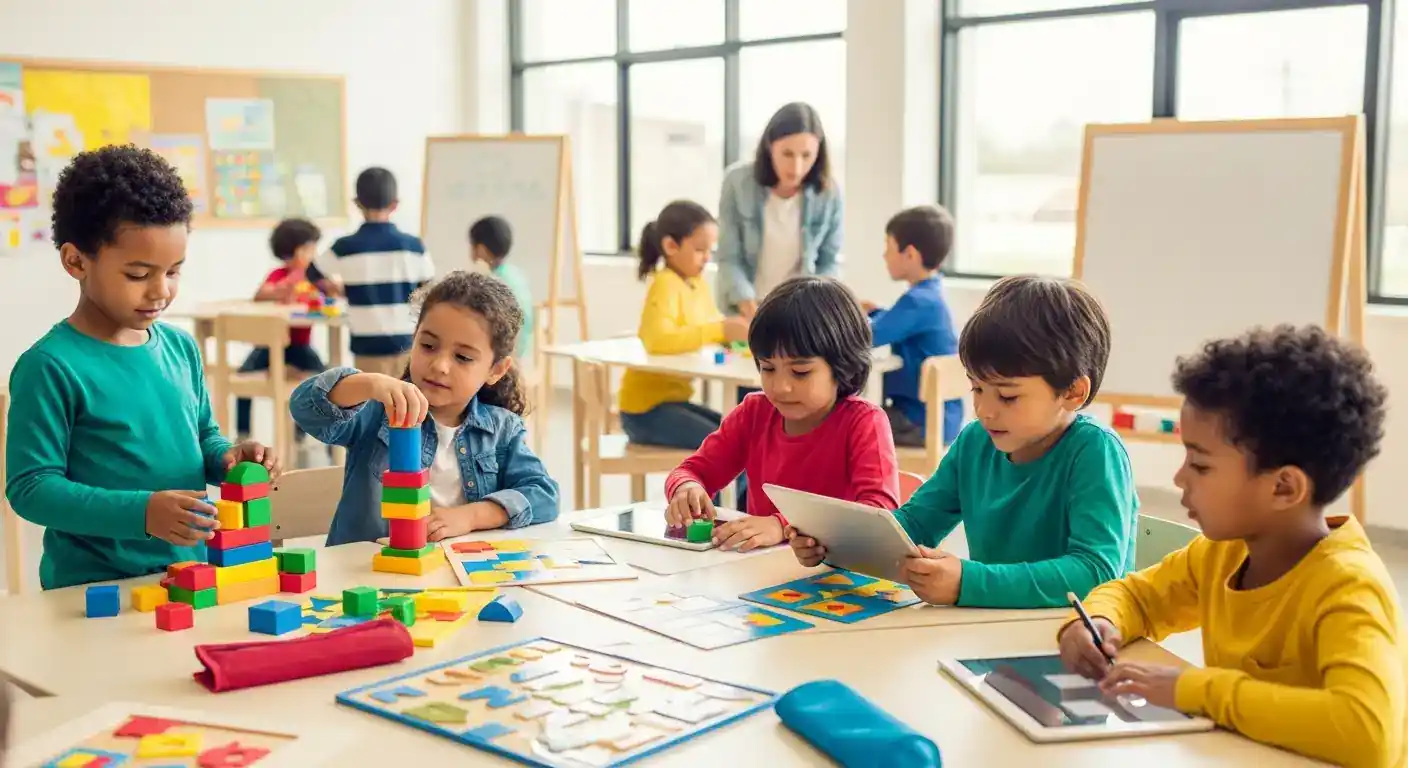
The Montessori method stands as a beacon of child-centered education, revolutionizing how we perceive early learning. At its core, it champions the intrinsic drive of children to learn and grow, fostering an environment where their natural curiosity can flourish. This approach prioritizes the individual child, recognizing their unique pace, interests, and developmental stages. By focusing on self-directed activity, hands-on learning, and collaborative play, the Montessori philosophy cultivates not just academic knowledge but also crucial life skills, most notably independence development.
This educational framework empowers children to take ownership of their learning journey. Instead of rigid curricula, children are presented with a thoughtfully prepared environment filled with specialized materials designed to be explored and mastered independently. This fosters a deep sense of self-reliance, problem-solving abilities, and a lifelong love for learning.
Key Takeaways:
- Child-Centered Approach: Education tailored to individual needs and interests.
- Independence Development: Fosters self-reliance and problem-solving skills.
- Prepared Environment: Specifically designed spaces and materials for exploration.
- Self-Directed Learning: Children choose their activities based on intrinsic motivation.
- Holistic Growth: Focuses on social, emotional, cognitive, and physical development.
Understanding the Montessori Method: A Deeper Dive
The Montessori method, developed by Dr. Maria Montessori, is more than just a teaching style; it's a philosophy of education that views children as capable, curious individuals eager to learn about the world around them. This approach is fundamentally different from traditional schooling, which often emphasizes teacher-led instruction and standardized testing. Instead, Montessori classrooms are designed to be dynamic, responsive learning spaces that cater to the whole child.
At the heart of the Montessori philosophy is the belief in the "absorbent mind" – a concept describing how young children, particularly from birth to six years old, unconsciously absorb information and develop skills from their environment. This period is seen as a critical window for building foundational understanding and capabilities.
The Pillars of Montessori Education
The effectiveness of the Montessori method relies on several interconnected pillars that create a unique and nurturing educational experience. These elements work in synergy to promote both academic achievement and robust independence development.
1. The Prepared Environment
A Montessori classroom is meticulously designed to be a "prepared environment." This means the space is child-sized, orderly, and aesthetically pleasing, with learning materials accessible on low shelves. Everything within the classroom serves a purpose, from the furniture to the materials themselves, all arranged to facilitate exploration and self-discovery.
- Order and Routine: The environment establishes a predictable structure that helps children feel secure and confident.
- Accessibility: Materials are within reach, allowing children to choose their own work and manage their learning.
- Beauty and Calm: Aesthetically pleasing surroundings create a peaceful atmosphere conducive to concentration.
2. The Role of the Montessori Guide
In a Montessori setting, the teacher is referred to as a "guide" or "directress." Their role is not to impart knowledge directly but to observe children, present new materials, and support their individual learning journeys. The guide facilitates, intervenes minimally, and fosters an atmosphere of respect and concentration.
- Observation: Guides closely observe each child to understand their developmental needs and interests.
- Presentation: They introduce new materials and concepts individually or in small groups, demonstrating how to use them.
- Non-Interference: Guides allow children to work through challenges independently, fostering problem-solving skills.
3. Montessori Materials
Montessori materials are a hallmark of the method. They are self-correcting, meaning children can often identify and fix their own errors without direct intervention from the guide. This fosters a sense of accomplishment and reduces reliance on external validation. The materials are also designed to isolate specific concepts, allowing children to grasp one idea at a time before moving on.
- Self-Correcting: Designed to allow children to see their mistakes and learn from them.
- Sensorial Exploration: Many materials engage the senses to build understanding of concepts like size, shape, and texture.
- Progressive Difficulty: Materials are arranged to move from simple to complex, ensuring a smooth learning curve.
Fostering Independence Development Through Child-Centered Learning
The ultimate goal of the Montessori method is to nurture independent, self-motivated, and socially responsible individuals. This is achieved through a curriculum that inherently encourages children to take initiative and manage their own learning.
Self-Directed Learning in Action
In a Montessori classroom, children are given freedom within limits. They choose their "work" from the array of available materials, decide how long to work on it, and where to complete it within the classroom. This freedom is crucial for developing internal motivation and a sense of agency.
- Choice and Agency: Children learn to make decisions about their learning, fostering ownership and responsibility.
- Concentration and Flow: Uninterrupted work periods allow children to enter a state of deep concentration, promoting deeper learning.
- Intrinsic Motivation: Learning is driven by genuine interest rather than external rewards or pressures.
Developing Practical Life Skills
A significant component of the Montessori curriculum involves "Practical Life" activities. These are everyday tasks that children naturally want to master, such as pouring, dressing, cleaning, and preparing food. Engaging in these activities develops fine motor skills, coordination, concentration, and a sense of competence.
- Grooming: Activities like washing hands, brushing teeth, and dressing frames.
- Care of Environment: Activities like sweeping, dusting, and caring for plants.
- Care of Person: Activities like preparing snacks, setting tables, and buttoning clothes.
These activities are fundamental to building independence development, as they equip children with the skills they need to care for themselves and their surroundings.
Social and Emotional Growth
The mixed-age classrooms, typically spanning three-year spans (e.g., 3-6 years old), are another unique feature that significantly contributes to a child’s development. Older children often act as mentors to younger ones, reinforcing their own understanding and developing leadership qualities. Younger children learn by observing and interacting with their older peers.
- Peer Mentorship: Older children guide younger peers, reinforcing learning and developing leadership.
- Cooperation and Empathy: Children learn to work together, resolve conflicts, and develop social graces.
- Respect for Others: The environment emphasizes mutual respect among children and between children and adults.
Differentiated Value: The Montessori Method in the 21st Century
While the core principles of the Montessori method remain timeless, its application and impact continue to evolve. Understanding these nuances provides further insight into its enduring relevance.
1. Adaptability to Neurodiversity
Modern research highlights the importance of inclusive education. The Montessori method's inherent flexibility and emphasis on individual learning paces make it exceptionally well-suited for children with diverse learning needs, including those with ADHD, dyslexia, or autism spectrum disorder. The prepared environment and self-directed nature of learning allow these children to thrive without the pressure of a one-size-fits-all approach. For instance, a child who struggles with auditory processing might benefit from the tactile, hands-on materials, while a child who needs to move can engage with activities that allow for physical interaction.
This adaptability is a key differentiator, aligning with contemporary educational goals of supporting every learner. Recent studies published in educational psychology journals in 2024 indicate a positive correlation between Montessori environments and improved executive function skills in children, which are crucial for self-regulation and adaptability, benefiting neurodivergent learners significantly.
2. Cultivating Entrepreneurial and Innovative Mindsets
Beyond traditional academics, the Montessori method cultivates skills essential for future success in a rapidly changing world. The emphasis on problem-solving, critical thinking, and self-direction naturally nurtures an entrepreneurial spirit. Children are encouraged to experiment, learn from failures, and take initiative – all hallmarks of innovation.
Consider a child who, while working with a science material, devises a novel way to use it to explore a different concept. This unprompted exploration and creative problem-solving are precisely the skills that fuel innovation. A report from a prominent educational think tank in 2025 noted that Montessori graduates often exhibit higher levels of intrinsic motivation and a greater propensity for creative problem-solving compared to their peers from more traditional educational settings. This is a direct outcome of learning to be a self-directed agent in their own education.
Expert Insights and Case Studies
The efficacy of the Montessori method is supported by numerous observations and studies. For example, longitudinal studies have tracked cohorts of Montessori students for decades. One such study, published in 2023 by researchers at a leading university's education department, found that individuals who attended Montessori schools demonstrated higher academic achievement, greater civic engagement, and stronger social skills in adulthood. These findings underscore the long-term impact of early independence development fostered by the Montessori approach.
Another example often cited is the observation of children in a Montessori classroom consistently demonstrating an ability to focus for extended periods, manage their own time effectively, and engage in complex problem-solving without constant adult supervision. This is a direct testament to the "prepared environment" and the guide's role in scaffolding their learning journey.
Frequently Asked Questions about the Montessori Method
Q1: What is the primary goal of the Montessori method? The primary goal is to foster a child's natural love of learning and to develop their independence, self-discipline, and social skills. It aims to nurture a well-rounded individual who is confident, capable, and a lifelong learner, prepared for both academic and life challenges.
Q2: How does the Montessori method encourage independence in children? Independence is fostered through the prepared environment, where children have freedom to choose their activities and work at their own pace. Practical life exercises, self-correcting materials, and opportunities for problem-solving all empower children to rely on themselves and develop self-sufficiency.
Q3: What is the role of the teacher in a Montessori classroom? The teacher, known as a guide, observes students, introduces materials, and facilitates learning. They provide support and guidance without direct instruction, allowing children to explore, discover, and learn independently, thus respecting each child's unique developmental path.
Q4: Are Montessori schools suitable for all children? The Montessori method is designed to be beneficial for most children. Its child-centered nature, emphasis on individual pace, and focus on holistic development make it adaptable to various learning styles and needs, including those of neurodivergent children.
Conclusion and Next Steps
The Montessori method offers a profoundly effective approach to education, deeply rooted in respecting the child's innate capacity to learn and grow. By prioritizing child-centered learning and actively cultivating independence development, it equips children with the essential skills, confidence, and a lifelong passion for exploration.
For parents and educators seeking to understand or implement these principles, further exploration is highly recommended. Consider researching local Montessori schools, reading more about Dr. Maria Montessori's philosophy, or exploring resources on child development and educational psychology.
We encourage you to share your thoughts and experiences with the Montessori method in the comments below. Have you witnessed firsthand the power of child-led learning and independence? Your insights contribute to a richer understanding of this transformative educational approach. For those interested in delving deeper into related educational philosophies, exploring articles on constructivist learning theories or play-based education would offer complementary perspectives.
Disclaimer: This article is intended for informational purposes only and does not constitute professional educational advice. Consult with qualified educators or specialists for personalized guidance. Information presented reflects general understanding and industry trends up to the date of publication. Regular review and updates to educational methodologies are recommended.