Montessori Education: Self-Directed Learning and Child Development
Montessori Education: Self-Directed Learning and Child Development
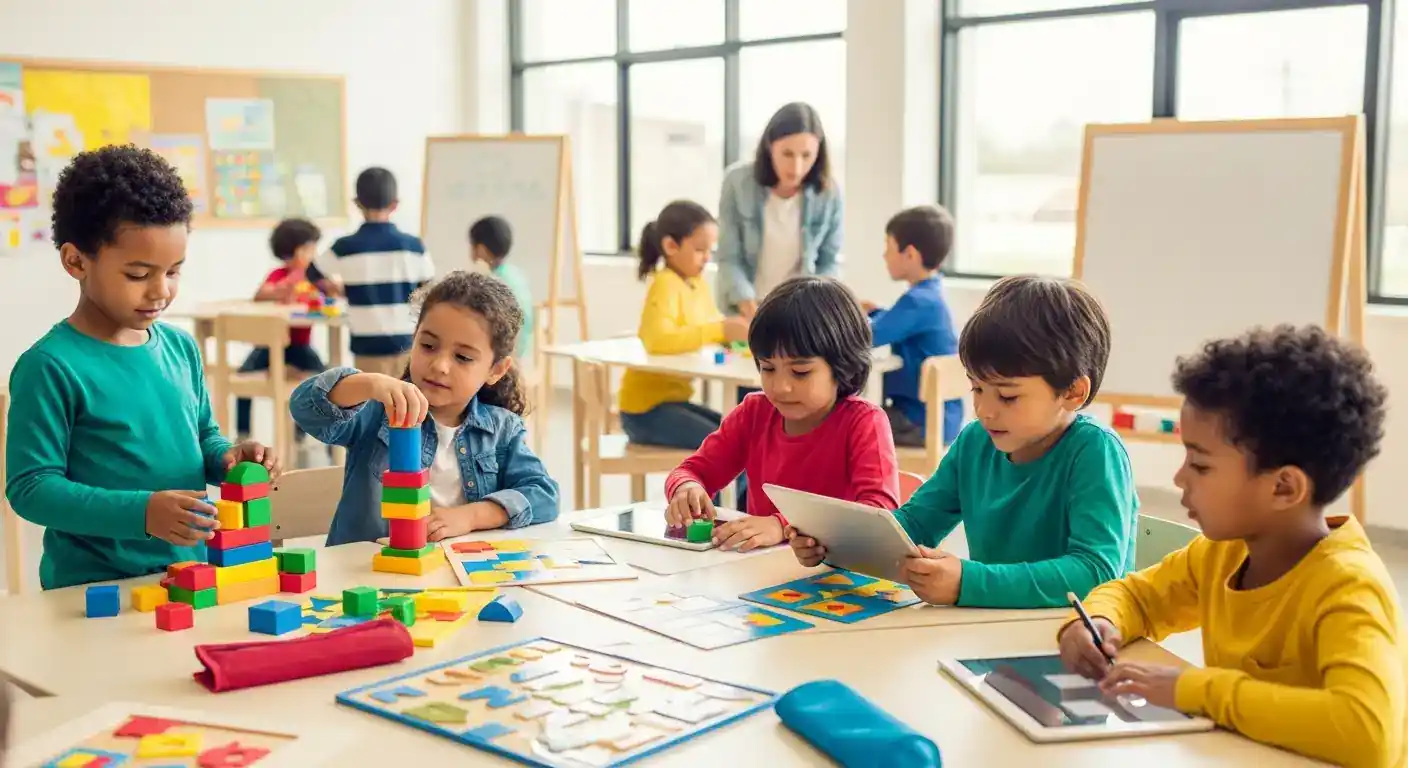
Montessori education is a globally recognized pedagogical approach that champions the innate potential of every child. Developed by Dr. Maria Montessori, this method emphasizes self-directed learning, hands-on exploration, and collaborative play within a carefully prepared environment. It's more than just a school system; it's a philosophy that respects the child as an individual capable of initiating learning in a supportive, thoughtfully designed classroom. The core aim of Montessori education is to foster independence, concentration, and a lifelong love for learning, ultimately nurturing holistic child development. This approach contrasts sharply with traditional models by empowering children to choose their activities and learn at their own pace.
Key Points of Montessori Education:
- Child-Led Learning: Students choose activities based on interest.
- Prepared Environment: Classrooms designed for exploration and discovery.
- Hands-On Materials: Sensory, self-correcting learning tools.
- Mixed-Age Classrooms: Fosters peer-to-peer learning and mentorship.
- Holistic Development: Focuses on cognitive, social, emotional, and physical growth.
Understanding the Core Principles of Montessori Education
At the heart of the Montessori method lies a profound respect for the child's natural drive to learn and grow. This educational philosophy is built upon several foundational principles that guide its implementation and distinguish it from other pedagogies. Understanding these principles is crucial to appreciating how Montessori education effectively promotes self-directed learning and comprehensive child development.
The Prepared Environment
The Montessori classroom, often referred to as a "prepared environment," is meticulously designed to meet the developmental needs of children. Every element, from the child-sized furniture to the carefully arranged learning materials, serves a specific purpose. This environment is structured to invite exploration, encourage independence, and facilitate learning through discovery. Materials are organized logically, allowing children to easily access and return them, fostering a sense of order and responsibility. The aesthetic appeal and functionality of the space are paramount, creating a calm and engaging atmosphere where children feel empowered to choose their work.
The Role of the Montessori Guide
Unlike a traditional teacher who primarily lectures, the Montessori guide acts as an observer, facilitator, and mentor. Their role is to introduce children to materials, observe their progress, and offer support when needed, rather than directing every activity. This approach allows children the freedom to explore their interests and develop their own learning pathways. The guide's primary objective is to connect the child to the environment, providing individualized lessons and stepping back to allow independent discovery. This nuanced role is critical in cultivating self-directed learning and building a child's confidence.
Freedom Within Limits
A cornerstone of Montessori pedagogy is the concept of "freedom within limits." Children are given the freedom to choose their activities, work at their own pace, and move freely within the classroom. However, this freedom is balanced by clear boundaries and expectations that ensure respect for others, the materials, and the environment. This framework teaches children self-discipline and responsibility, allowing them to make choices while understanding the consequences. It’s a delicate balance that empowers children to become active participants in their learning journey, fostering both autonomy and a sense of community.
Fostering Self-Directed Learning in Montessori Classrooms
The emphasis on self-directed learning is arguably the most defining characteristic of Montessori education. This approach cultivates an intrinsic motivation in children, transforming learning from a passive reception of information into an active, engaging pursuit.
Individualized Learning Paths
In a Montessori setting, children are not confined to a rigid curriculum or a single pace of learning. Instead, they are encouraged to follow their own interests and work with materials that resonate with their current developmental stage. This individualized approach means that a child can spend as much time as needed to master a concept, or move quickly through areas they grasp easily. The guide tracks each child's progress, offering new challenges when appropriate. This personalized journey ensures that learning is always relevant and engaging, promoting deeper understanding and retention. For more information on personalized learning strategies, readers can explore related articles on adaptive education models.
Intrinsic Motivation and Engagement
By allowing children to choose their activities, Montessori classrooms tap into their natural curiosity and foster intrinsic motivation. When children are genuinely interested in what they are learning, they become deeply engaged and develop a strong sense of purpose. The self-correcting nature of many Montessori materials also allows children to identify and correct their own errors, building resilience and problem-solving skills without external judgment. This process cultivates a joyful approach to learning, where the reward is the satisfaction of discovery and mastery itself.
Practical Life Activities and Cognitive Growth
Practical life activities are a fundamental component of Montessori education, often overlooked in their profound impact on cognitive and motor skill development. These activities, such as pouring water, buttoning clothes, or preparing snacks, are designed to help children develop coordination, concentration, and independence. While seemingly simple, they lay the groundwork for more complex academic tasks by refining fine motor skills, developing focus, and teaching sequential thinking. Mastery of these real-world tasks builds confidence and a sense of capability, directly contributing to a child's overall child development.
Montessori's Impact on Holistic Child Development
The benefits of Montessori education extend far beyond academic achievement, nurturing a child's complete being. This holistic approach ensures that children develop not just intellectually, but also emotionally, socially, and physically.
Cognitive and Academic Development
Montessori children often demonstrate strong academic foundations, particularly in literacy and numeracy. The concrete, hands-on materials allow children to grasp abstract concepts through tangible experiences, leading to a deeper and more intuitive understanding. For example, the Golden Beads help children understand the decimal system visually and kinesthetically. Research published in the Educational Psychology Review in 2025 highlighted that children in Montessori environments often exhibit superior executive function skills, including working memory and cognitive flexibility, compared to their peers in traditional settings. This robust cognitive framework supports advanced problem-solving abilities and critical thinking.
Social-Emotional Growth and Independence
The mixed-age classroom environment is a unique feature that significantly contributes to social-emotional development. Older children naturally mentor younger