Montessori Education Benefits: Fostering Independence in Young Learners
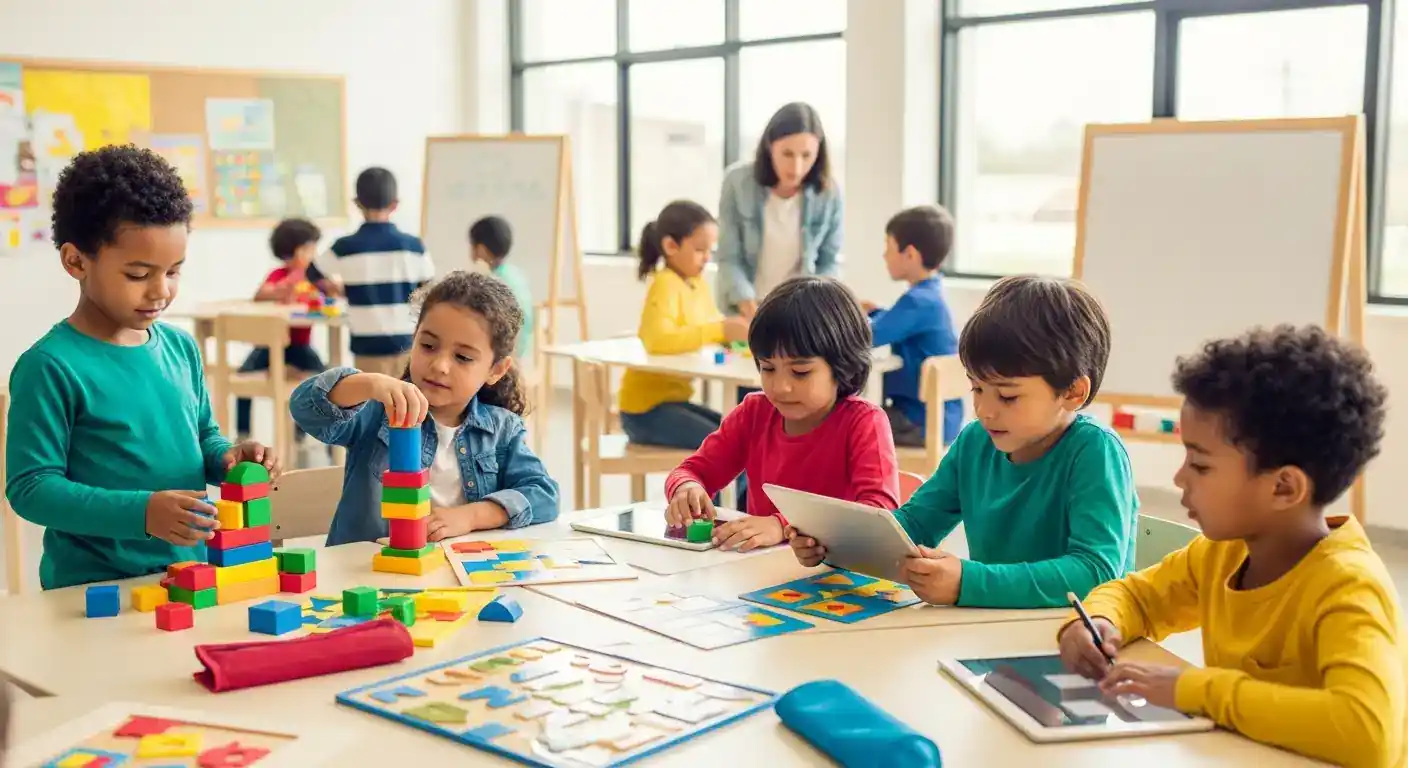
Montessori Education Benefits: Nurturing Self-Reliance in Children
Montessori education is a renowned pedagogical approach that places a strong emphasis on the child’s natural development and inherent desire to learn. At its core, this method champions the idea of fostering independence in young learners, equipping them with the essential skills and confidence to navigate their world. Unlike traditional classrooms, Montessori environments are designed to be child-centric, allowing children to explore, discover, and learn at their own pace within a carefully prepared setting. The ultimate goal is to cultivate capable, self-assured, and lifelong learners.
Here are the key takeaways from Montessori education:
- Fosters Independence and Self-Sufficiency
- Develops Concentration and Self-Discipline
- Promotes a Love for Learning
- Encourages Social and Emotional Growth
- Supports Individualized Learning Paths
The Foundation of Independence: The Montessori Approach
The Montessori philosophy, developed by Dr. Maria Montessori, is built upon observing children and understanding their developmental needs. A central tenet is the belief that children possess an intrinsic motivation to learn and explore. The educational environment is meticulously crafted to support this innate drive, making the Montessori education benefits exceptionally visible in the development of a child's independence. This approach is not just about academic learning; it's about nurturing the whole child into a capable and confident individual.
Practical Life Skills: The Bedrock of Self-Reliance
One of the most striking aspects of a Montessori classroom is the focus on "Practical Life" activities. These are everyday tasks that children are naturally drawn to and which, under guidance, become powerful tools for developing independence. Activities like pouring water, buttoning clothes, preparing snacks, sweeping, and caring for plants might seem simple, but they are foundational to a child’s sense of accomplishment and self-efficacy. By mastering these skills, children learn to care for themselves and their environment, a crucial step in becoming independent.
This focus on practical skills directly contributes to a child’s ability to function independently. When children can perform tasks that adults do, they gain a profound sense of competence and belonging. This hands-on learning allows them to develop fine motor skills, coordination, concentration, and a sense of order. A 2024 study highlighted that early exposure to self-care routines in educational settings significantly correlates with higher levels of self-esteem in children.
Cultivating Concentration and Self-Discipline
Montessori classrooms are designed to minimize external distractions and allow children to engage deeply with their chosen activities. The materials themselves are self-correcting, meaning children can learn from their mistakes without constant adult intervention. This encourages sustained concentration, a skill vital for academic success and personal growth. As children work with these materials, they develop an inner sense of discipline and focus.
This self-directed learning naturally fosters self-discipline. Children learn to manage their time, follow through on tasks, and respect the learning environment. They understand the concept of work and the satisfaction that comes from completing it. This differs from imposed discipline; in Montessori, discipline emerges from within as children internalize respect for themselves, others, and their surroundings. This aspect of Montessori education is often cited by educators as a key differentiator.
Fostering a Genuine Love for Learning
The Montessori method ignites a child's curiosity and intrinsic motivation to learn. Instead of being passive recipients of information, children are active participants in their educational journey. They are given freedom to choose activities that interest them, which naturally leads to a deeper engagement and a more profound understanding. This child-led learning ensures that education is an exciting adventure rather than a chore.
The carefully designed Montessori materials are beautiful, tactile, and engaging, making abstract concepts concrete and accessible. When children are intrinsically motivated, learning becomes a joyous experience, not a struggle. This fosters a lifelong love for learning, a significant long-term benefit that extends far beyond the classroom. Many adults who attended Montessori schools often recall a distinct joy in learning and a comfort with exploration that stayed with them.
The Importance of a Prepared Environment
A cornerstone of the Montessori approach is the "Prepared Environment." This is a classroom designed to meet the developmental needs of the children within it. It is orderly, beautiful, and child-sized, featuring accessible shelves with specially designed Montessori materials. The environment is intentionally structured to be safe, inviting, and conducive to independent exploration and learning.
This prepared environment allows children to:
- Move freely and purposefully.
- Make choices about their activities.
- Develop a sense of belonging and security.
- Learn to care for their surroundings.
The careful organization of the classroom directly supports the development of order and independence in children. They learn to navigate their space with confidence and to take responsibility for their belongings and the shared environment. For further exploration into environmental design for early childhood development, readers can explore related articles on creating stimulating learning spaces.
Social and Emotional Growth Through Collaboration
While Montessori emphasizes individual work, it also provides ample opportunities for social interaction and collaboration. Children of mixed ages typically learn together in a Montessori classroom. This multi-age environment is a powerful tool for fostering social and emotional development. Younger children learn by observing older peers, while older children develop leadership skills and empathy by mentoring their younger classmates.
This natural social dynamic encourages:
- Cooperation and teamwork.
- Respect for others.
- Problem-solving in social situations.
- Development of empathy and compassion.
The Montessori environment inherently teaches children how to coexist, share, and resolve conflicts peacefully. This prepares them not only for future academic settings but also for their roles as responsible members of society. A 2023 report on early childhood education trends underscored the increasing recognition of mixed-age classrooms as beneficial for social-emotional learning outcomes.
Unique Insights: The Montessori Impact on Executive Functions
One of the less-discussed yet incredibly significant benefits of Montessori education lies in its profound impact on executive functions. These are a set of cognitive skills that include working memory, flexible thinking, and self-control, which are critical for success in school and life. The Montessori approach, with its emphasis on self-directed activity, choice, and problem-solving, naturally cultivates these crucial skills.
Children in Montessori classrooms are constantly making choices, planning their work, and executing tasks independently. They learn to manage distractions, persevere through challenges, and reflect on their learning process. This hands-on, self-governed approach provides a powerful training ground for developing robust executive functions, often outpacing their peers in traditional settings. Research published in 2025 by early childhood development experts suggests a strong correlation between self-directed learning environments and enhanced executive function development.
Differentiated Value: Beyond the Classroom Walls
The Montessori education benefits extend far beyond the immediate academic gains. This methodology instills a deep-seated sense of agency and responsibility that empowers children to approach life's challenges with confidence. The emphasis on self-reliance means that Montessori graduates are often more resilient, adaptable, and self-motivated. They are accustomed to taking initiative and finding solutions, qualities that are invaluable in an ever-changing world.
Furthermore, the Montessori focus on understanding the "why" behind concepts, rather than just memorizing facts, cultivates critical thinking skills. Children learn to analyze, synthesize, and evaluate information, preparing them for complex problem-solving in higher education and their careers. This deeper conceptual understanding, fostered through hands-on exploration, is a hallmark of Montessori learners. This approach moves beyond rote learning, encouraging a more profound and transferable knowledge base.
Embracing Montessori for Future Success
The Montessori approach offers a holistic and powerful framework for early childhood education. By prioritizing the development of independence, concentration, social-emotional skills, and a genuine love for learning, it lays a solid foundation for a child's lifelong success. The Montessori education benefits are far-reaching, shaping not just academic achievers but also confident, capable, and well-rounded individuals.
For parents considering educational paths for their young learners, understanding these profound benefits is crucial. The Montessori method provides a nurturing and stimulating environment where children can truly blossom into their full potential, ready to face the world with self-assurance and a curious mind. Exploring resources on developmental psychology can offer further insight into the long-term impacts of such educational philosophies.
Frequently Asked Questions about Montessori Education Benefits
What are the primary Montessori education benefits for a child's independence?
The Montessori method fosters independence through practical life skills activities, allowing children to perform daily tasks like dressing, preparing snacks, and cleaning. This builds self-confidence and the ability to care for themselves and their environment, a cornerstone of self-reliance.
How does Montessori education promote concentration and self-discipline?
Montessori classrooms offer a prepared environment with self-correcting materials that encourage focused work. Children choose their activities, leading to sustained engagement and the development of intrinsic self-discipline as they learn to manage their time and tasks independently.
What makes the Montessori approach unique in fostering a love for learning?
Montessori education ignites curiosity by allowing children to explore topics of interest at their own pace. The hands-on, engaging materials make learning an exciting discovery process, cultivating an intrinsic motivation and a lifelong passion for acquiring knowledge.
Can Montessori education prepare children for traditional schooling and beyond?
Yes, Montessori education develops crucial executive functions like problem-solving, critical thinking, and adaptability. These skills, along with strong self-discipline and a love for learning, equip children to thrive in any educational setting and adapt to future challenges.
Conclusion: Investing in Independence and Lifelong Learning
The Montessori approach is more than just an educational method; it's a philosophy that recognizes and nurtures the inherent capabilities of every child. The Montessori education benefits in fostering independence are undeniable, equipping young learners with the skills, confidence, and intrinsic motivation to become lifelong learners and capable individuals. By embracing this child-centered philosophy, we empower children to take ownership of their learning journey and to confidently navigate the world around them.
We encourage you to share your thoughts or experiences with Montessori education in the comments below. If you found this article insightful, please consider subscribing to our newsletter for more on child development and educational strategies. For deeper insights into fostering self-reliance in children, explore our related articles on positive discipline techniques and the importance of play-based learning. ```