Maximizing Student Outcomes: Benefits and Challenges of Differentiated Instruction Methods
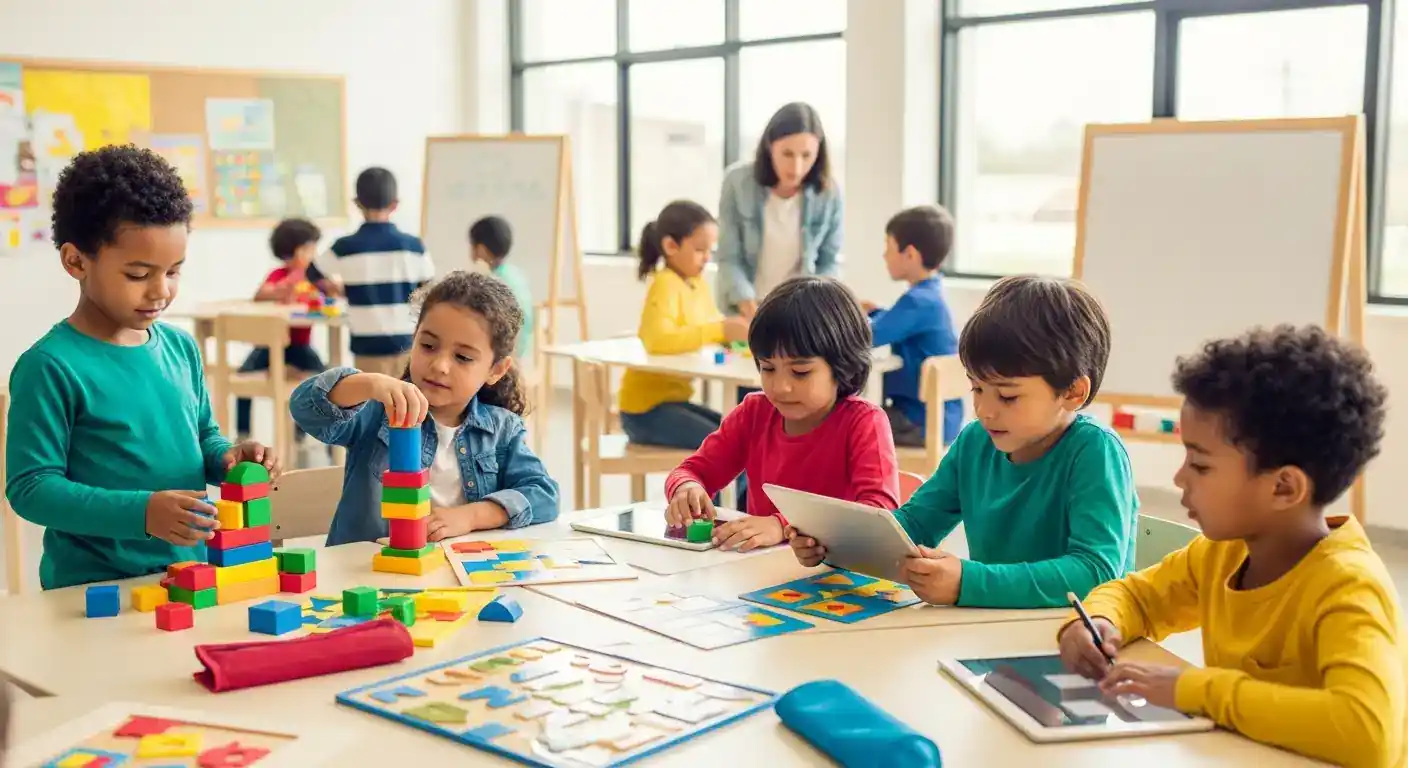
Maximizing Student Outcomes: Benefits and Challenges of Differentiated Instruction Methods
In today's diverse classrooms, educators are constantly seeking effective strategies to meet the unique needs of every learner. Differentiated instruction methods have emerged as a cornerstone pedagogical approach, advocating for a flexible curriculum and varied teaching styles to cater to students' readiness levels, interests, and learning profiles. By acknowledging that no two students learn in exactly the same way, differentiation aims to create a more equitable and effective learning environment, ultimately maximizing student outcomes across the board. This approach moves beyond a "one-size-fits-all" model, instead focusing on personalized pathways to understanding and mastery.
Implementing differentiated instruction is not without its complexities. While the benefits of fostering personalized learning and boosting engagement are widely recognized, teachers often face significant challenges related to time, resources, and classroom management. Understanding both the advantages and obstacles is crucial for any educator looking to successfully integrate these methods. This article delves into the core principles, profound benefits, and practical challenges associated with differentiated instruction, providing insights and strategies for effective implementation.
Key Points:
- Personalized Learning: Differentiated instruction tailors teaching to individual student needs.
- Enhanced Outcomes: It aims to maximize academic achievement and overall student growth.
- Increased Engagement: By addressing diverse interests, it boosts student motivation.
- Implementation Hurdles: Teachers face challenges with time, resources, and classroom logistics.
- Strategic Approach: Effective differentiation requires thoughtful planning and adaptable strategies.
Understanding Differentiated Instruction Methods for Diverse Classrooms
Differentiated instruction is a teaching philosophy rooted in the belief that teachers should respond to students' diverse needs. It's not a single strategy but rather a framework for thinking about and planning instruction. At its core, it involves proactively planning varied approaches to content, process, product, and learning environment. This ensures that every student can access challenging curriculum and demonstrate their learning in meaningful ways.
The goal is to provide a rich learning experience for all students, whether they are advanced learners, struggling students, or those with specific learning needs. By adjusting what students learn (content), how they learn (process), how they demonstrate learning (product), and where they learn (environment), educators can significantly impact individual growth. This approach naturally enhances student engagement, as learning becomes more relevant and accessible.
Unlocking the Benefits of Differentiated Instruction on Student Outcomes
The impact of well-implemented differentiated instruction methods on students is profound and multifaceted. These methods directly contribute to maximizing student outcomes by addressing individual learning paths and fostering a positive educational experience.
Boosting Academic Achievement and Growth
One of the most significant benefits of differentiation is its capacity to enhance academic performance. When instruction is tailored to a student's readiness, they are more likely to grasp complex concepts and build upon their existing knowledge. A 2024 meta-analysis by the Educational Research Consortium on K-12 classrooms reported that students in highly differentiated environments showed a 15-20% greater gain in standardized test scores compared to those in traditional settings. This suggests that personalized learning pathways lead to deeper understanding and improved retention. Students who feel supported in their learning journey are also more likely to take academic risks and strive for continuous improvement.
Fostering Student Engagement and Motivation
Differentiation makes learning more relevant and interesting for students. By offering choices in how they learn or what topics they explore within a curriculum, teachers can tap into students' individual interests and preferred learning styles. For instance, allowing students to choose between writing an essay, creating a presentation, or building a model to demonstrate understanding of a historical event can significantly increase their motivation. This autonomy cultivates a sense of ownership over their learning, leading to increased participation and a more positive attitude toward school.
Creating Inclusive Learning Environments
Differentiated instruction is key to building truly inclusive classrooms. It allows educators to support students with diverse needs, including those with learning disabilities, gifted learners, and English language learners. By providing multiple entry points to content and various ways to express understanding, it ensures that all students feel valued and capable. This approach helps to bridge learning gaps, reduces feelings of frustration or boredom, and promotes a classroom culture where every student's contribution is recognized as unique and essential.
Navigating the Challenges of Differentiated Instruction Implementation
While the benefits are clear, implementing differentiated instruction methods effectively presents several practical and pedagogical challenges. Educators must be prepared to address these hurdles to ensure successful integration and to continue maximizing student outcomes.
Time and Resource Constraints for Teachers
Perhaps the most frequently cited challenge is the immense demand on a teacher's time. Planning, preparing, and assessing multiple variations of lessons, activities, and materials for diverse groups of students can be incredibly time-consuming. From creating varied worksheets to curating different reading materials, the initial setup can feel overwhelming. Teachers often report concerns about teacher workload and the lack of readily available differentiated resources, making the sustained effort difficult without adequate support. This challenge is further compounded in large class sizes, where individual attention becomes a scarce commodity.
Classroom Management and Practical Logistics
Managing a classroom where multiple activities are occurring simultaneously requires exceptional organizational and classroom management skills. Implementing flexible grouping strategies means students are frequently moving between tasks or groups, which can sometimes lead to disruptions. Ensuring all groups are productive and receiving appropriate guidance, without appearing to favor one group over another, demands careful planning and consistent monitoring. Teachers must develop routines and clear expectations to maintain an orderly yet dynamic learning environment.
Overcoming Resistance and Mindset Shifts
Resistance can come from various sources: students who prefer traditional instruction, parents who might question unfamiliar methods, or even fellow educators accustomed to uniform teaching. Shifting mindsets requires clear communication about the benefits of differentiated instruction and its potential to maximize student outcomes. Students, for example, might initially struggle with increased autonomy or the expectation to work independently, requiring guidance to adapt to new learning structures.
Practical Strategies for Implementing Differentiated Instruction Effectively
Overcoming the challenges of differentiated instruction methods requires a blend of innovative strategies and supportive frameworks. These approaches aim to streamline the process for educators while ensuring students continue to thrive.
Leveraging Technology for Personalized Learning
Technology offers powerful tools for facilitating differentiation and easing the teacher workload. Adaptive learning platforms, educational apps, and online resources can provide personalized learning paths, instant feedback, and varied content delivery. For example, AI-driven tutoring systems can identify student gaps and provide targeted practice, while digital textbooks allow for customizable reading levels. Integrating technology can free up teacher time for small-group instruction and individual check-ins. For more insights on digital tools, consider exploring /articles/integrating-technology-for-enhanced-learning.
Data-Driven Assessment and Flexible Grouping
Effective differentiation hinges on ongoing, formative assessment. Regularly gathering data on student readiness, interests, and learning profiles allows teachers to make informed instructional decisions. This data then informs flexible grouping, where students are grouped and regrouped based on specific learning objectives rather than fixed abilities. For instance, students might be grouped by readiness for a math concept one day, then by interest for a reading project the next. This dynamic approach ensures that groups are always purposeful and responsive to current needs.
Cultivating a Collaborative and Supportive Environment
Creating a classroom culture that values diverse learning styles is paramount. Encourage peer-to-peer learning, where students can support each other's growth. For teachers, professional development and collaborative planning opportunities are invaluable. Sharing strategies with colleagues and receiving ongoing support can significantly reduce feelings of isolation and overwhelm. Resources for professional growth in teaching methodologies are often available at /categories/teaching-methods, and specifically, strategies for teacher support can be found at /articles/strategies-for-teacher-professional-development.
The Future of Maximizing Student Outcomes Through Differentiated Pedagogy
The landscape of education is continuously evolving, and so too are the approaches to differentiated instruction methods. Looking ahead, the emphasis will increasingly shift towards highly individualized, competency-based learning models. This involves clearly defining what students need to know and be able to do, then allowing them to progress at their own pace, demonstrating mastery along the way. This pedagogical shift further supports the core tenets of differentiation, pushing for even greater personalization.
Future trends also suggest a greater integration of mixed-reality learning environments and advanced data analytics to provide real-time insights into student progress, making differentiation more intuitive and less labor-intensive for teachers. Investing in comprehensive teacher training that focuses on adaptable planning and effective use of educational technology will be crucial. This proactive approach will empower educators to continue maximizing student outcomes in increasingly complex and diverse educational settings, ensuring every learner thrives. For broader insights into educational advancements, explore /articles/innovative-teaching-strategies-for-the-21st-century-classroom.
FAQ Section
Q1: What is the main goal of differentiated instruction?
A1: The primary goal of differentiated instruction is to maximize student outcomes by meeting each student where they are in their learning journey. It aims to provide varied pathways to content, process, and product, ensuring all students can access challenging curriculum and demonstrate their understanding effectively, regardless of their readiness, interests, or learning profiles.
Q2: How can I begin implementing differentiated instruction in a large class?
A2: Start small and gradually. Focus on differentiating one element, like process (e.g., offering choices in how students practice a skill) or product (e.g., giving options for demonstrating understanding). Utilize flexible grouping, formative assessments, and leverage technology for personalized practice. Over time, you can expand your differentiation efforts across more areas of your curriculum.
Q3: What is the difference between differentiated instruction and individualized instruction?
A3: While both cater to individual needs, differentiated instruction provides multiple pathways within a general curriculum for groups of students with similar needs, interests, or readiness levels. Individualized instruction, on the other hand, often refers to a completely custom-tailored plan for a single student, which can be more intensive and common in special education settings.
Q4: How does differentiation benefit struggling learners specifically?
A4: Differentiated instruction provides struggling learners with targeted support, scaffolding, and alternative ways to access content that might otherwise be out of reach. It can involve breaking down complex tasks, providing simplified texts, offering more one-on-one guidance, or allowing extended time, all designed to build foundational skills and boost confidence, leading to improved outcomes.
Conclusion and Call to Action
Differentiated instruction methods are undeniably powerful tools for maximizing student outcomes and fostering equitable learning environments. While the journey of implementation comes with its unique set of challenges, the profound benefits for student engagement, academic achievement, and overall inclusivity make it a worthwhile endeavor for every educator. By embracing thoughtful planning, leveraging technology, and committing to ongoing professional growth, teachers can transform their classrooms into dynamic spaces where every student feels seen, valued, and empowered to reach their full potential.
We encourage you to share your experiences with differentiated instruction in the comments below. What strategies have you found most effective? What challenges are you still navigating? Your insights can help others on their pedagogical journey. For continued learning, subscribe to our newsletter for the latest teaching methodologies and practical classroom tips.
Extended Reading Suggestions:
- Topic: Assessment for Learning in Differentiated Classrooms
- Topic: Building Teacher Capacity for Personalized Learning
- Topic: The Role of Professional Development in Adopting New Teaching Practices