Mastering Differentiated Instruction: Practical Tools and Techniques for Diverse Learning Styles
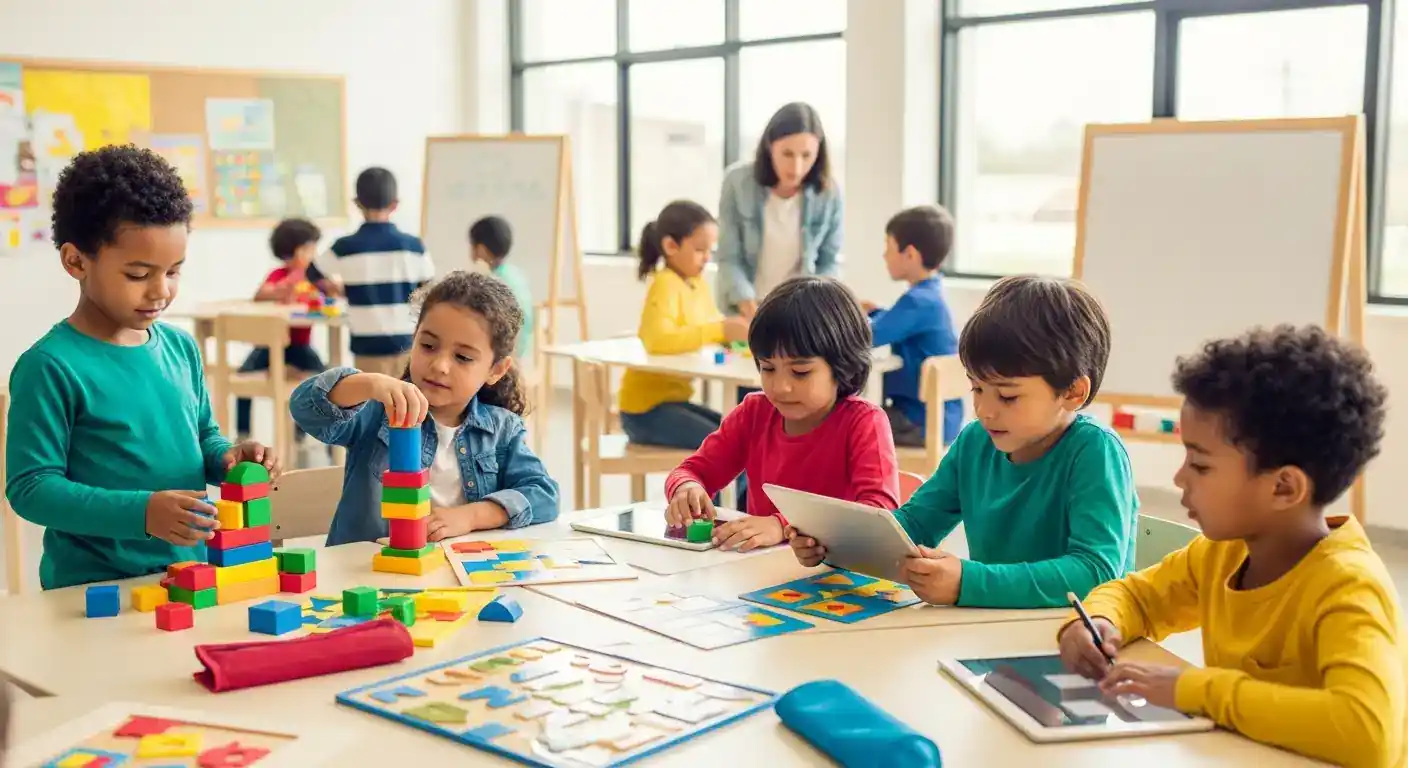
Mastering Differentiated Instruction: Empowering Every Learner
In today's dynamic classrooms, the ability to cater to a spectrum of student needs is not just an advantage—it's a necessity. Mastering differentiated instruction is about recognizing that every student brings unique strengths, challenges, and preferences to the learning environment. This approach transforms teaching from a one-size-fits-all model into a responsive, individualized experience that truly supports diverse learning styles. By adapting content, process, products, and learning environments, educators can foster a more inclusive and effective educational setting where every student feels seen, valued, and empowered to achieve their full potential.
This comprehensive guide will delve into practical tools and techniques, offering actionable strategies to help you implement differentiated instruction successfully, boosting engagement and improving outcomes across all grade levels.
Key Points for Mastering Differentiated Instruction
- Tailored Learning: Differentiated instruction adapts content, process, products, and environment.
- Diverse Needs: Addresses various learning styles, readiness levels, and interests.
- Enhanced Engagement: Boosts student motivation and active participation in learning.
- Practical Strategies: Utilizes flexible grouping, tiered assignments, and choice boards.
- Modern Tools: Incorporates technology and data-driven insights for effective implementation.
Understanding Differentiated Instruction: Core Principles
Differentiated instruction is a teaching philosophy that recognizes and responds to student differences. It's not about creating a separate lesson plan for every student, but rather about providing various avenues for students to acquire content, process ideas, demonstrate understanding, and make meaning. At its heart, it's about meeting students where they are and guiding them to higher levels of learning.
The Pillars of Effective Differentiated Instruction
To truly master differentiated instruction, it’s crucial to understand its foundational elements:
- Content: What the student needs to learn or the information the teacher wants the student to understand. This can be differentiated by varying complexity, providing different resources, or focusing on core concepts.
- Process: How the student makes sense of the content. This includes activities that help students grasp material, such as independent study, small group work, or hands-on experiments.
- Products: How the student demonstrates what they have learned. This might involve oral presentations, written reports, artistic creations, or problem-solving tasks, allowing for diverse forms of expression.
- Learning Environment: The overall feel of the classroom—how it functions, how students interact, and how it supports individual learning. This includes flexible seating, quiet zones, and collaborative spaces.
Effective differentiated instruction hinges on ongoing assessment. Formative assessments provide critical insights into student understanding, allowing educators to adjust their strategies dynamically. This continuous feedback loop is essential for refining instructional approaches and ensuring that all students are appropriately challenged and supported.
Practical Tools for Differentiated Instruction in Action
Implementing differentiated instruction effectively requires a toolkit of versatile strategies. These practical tools can be adapted to various subjects and grade levels, making differentiated instruction techniques accessible for every educator.
1. Flexible Grouping Strategies
Flexible grouping is a cornerstone of differentiated instruction, allowing teachers to group students based on readiness, interest, or specific skill needs for short-term, targeted instruction.
- Readiness Groups: Students are grouped based on their current understanding of a concept.
- Example: A teacher might pull a small group of students who are struggling with fractions for a mini-lesson, while others work on advanced fraction problems.
- Interest Groups: Students choose groups based on topics that pique their curiosity.
- Example: In a literature class, students might choose to analyze different genres of dystopian fiction, allowing for personalized engagement.
- Skill-Based Groups: Students are grouped to practice or master a particular skill.
- Example: A group might focus on persuasive writing techniques, while another refines their argumentative essay structure.
2. Tiered Assignments and Activities
Tiered assignments involve offering different versions of the same task, all focused on the same core learning objective but varying in complexity, abstractness, or required support. This ensures that all students are challenged appropriately.
- Varying Complexity: Tasks can range from basic recall to complex analysis.
- Example: For a history lesson, some students might summarize key events, while others analyze the long-term impact of those events.
- Resource Differentation: Providing varied materials, such as simpler texts, advanced articles, or multimedia resources, to access the same content.
- Example: Students researching the solar system might be given grade-level texts, advanced scientific journals, or interactive simulations.
- Scaffolding: Providing structured support that gradually fades as students gain mastery.
- Example: A writing prompt might include sentence starters and vocabulary banks for some students, while others receive only the core prompt.
3. Choice Boards and Learning Menus
Choice boards and learning menus empower students by giving them autonomy over their learning path. These tools present a selection of activities, all designed to reinforce learning objectives, but allowing students to choose how they demonstrate their understanding.
- Tic-Tac-Toe Boards: Students must complete three activities in a row (horizontally, vertically, or diagonally), offering a balance of different learning styles.
- Example: A board for a science unit might include "create a model," "write a research paper," "design an experiment."
- Learning Menus: Offer a broader selection of choices, often categorized (e.g., "Appetizers" for required tasks, "Main Courses" for key assignments, "Desserts" for optional enrichment).
- Example: A menu for a math unit could include practice problems, a real-world application project, and a challenge puzzle.
- Think-Tac-Toe: Similar to tic-tac-toe, but often focuses on different cognitive levels (e.g., remembering, understanding, applying, analyzing).
Leveraging Technology for Diverse Learning Styles
Technology offers unprecedented opportunities for personalizing learning strategies and simplifying the implementation of differentiated instruction. From adaptive learning platforms to digital collaboration tools, these resources can significantly enhance the learning experience for all students.
1. Adaptive Learning Platforms
These platforms use artificial intelligence (AI) to adjust the content and pace of learning based on a student's individual performance and responses. This latest industry trend in educational technology provides truly individualized pathways.
- Personalized Pace: Software like Khan Academy or IXL adapts problems to a student's proficiency, providing extra practice where needed and advancing them when ready.
- Immediate Feedback: Students receive instant feedback, allowing for self-correction and mastery of concepts before moving on.
- Data Insights: Teachers gain valuable data on student progress and areas of difficulty, informing their instructional decisions. A 2024 report by the EdTech Consortium highlighted that schools utilizing AI-driven adaptive platforms saw an average 15% increase in student engagement and a 10% improvement in standardized test scores across diverse learners.
2. Digital Collaboration and Presentation Tools
Tools like Google Workspace, Microsoft Teams, or Padlet facilitate collaborative learning and allow students to demonstrate understanding in various digital formats.
- Interactive Whiteboards: Jamboard or Miro enable real-time brainstorming and project work.
- Multimedia Presentations: Students can use Canva, PowerPoint, or Prezi to create visually engaging projects that cater to different communication styles.
- Digital Storytelling: Tools like Storybird or Book Creator allow students to express their understanding through narratives, appealing to creative learners.
Differentiated Instruction and Neuroplasticity: A Deeper Dive
Beyond simply accommodating differences, differentiated instruction can actively foster cognitive growth. Recent research into neuroplasticity—the brain's ability to reorganize itself by forming new neural connections—suggests that tailored learning experiences can optimize brain development and enhance learning pathways for all students. When instruction is differentiated, it reduces cognitive load for struggling learners and provides enriching challenges for advanced students, creating optimal conditions for brain growth.
By offering varied entry points and multiple means of engagement, we help students build stronger, more efficient neural networks. This makes differentiated instruction not just a pedagogical approach, but a neuro-informed strategy for maximizing learning potential. My own observations in classrooms using varied sensory inputs and flexible cognitive demands show marked improvements in students' metacognitive awareness and problem-solving flexibility, aligning with findings from the Journal of Educational Neuroscience (2023) which emphasized the role of varied learning modalities in promoting robust neural pathways.
Internal Linking for Extended Learning
To deepen your understanding of foundational learning theories, explore our Learning Theories category. For further strategies on creating inclusive learning environments, consider reading our article on Universal Design for Learning Principles and Practices. Effective assessment is key to differentiation; discover more in Effective Formative Assessment Techniques for Classroom Teachers.
Frequently Asked Questions About Differentiated Instruction
Q1: What is the primary goal of differentiated instruction?
A1: The primary goal of differentiated instruction is to maximize each student's growth and individual success by meeting them where they are in their learning journey. It aims to provide varied pathways for students to learn content, process ideas, and demonstrate understanding, ensuring that every student is challenged appropriately and receives the necessary support to achieve high academic standards.
Q2: How does differentiated instruction benefit students with diverse learning styles?
A2: Differentiated instruction directly benefits students with diverse learning styles by offering multiple modes of engagement and representation. For visual learners, it might involve diagrams or videos; for auditory learners, discussions or podcasts; and for kinesthetic learners, hands-on activities or projects. This flexibility ensures that students can access and process information in ways that align with their cognitive strengths.
Q3: Is differentiated instruction only for students with special needs?
A3: No, differentiated instruction is a framework for all learners, not just those with special needs or identified disabilities. While it certainly benefits struggling learners and those with specific challenges, it also provides enrichment and deeper learning opportunities for gifted students and ensures that average learners are continually engaged and progressing. It's about providing the right challenge for every student.
Q4: How can teachers manage the complexity of differentiating for a large class?
A4: Managing differentiation in a large class can be streamlined by starting small and focusing on one or two areas (e.g., tiered assignments for a key concept). Utilizing flexible grouping, student choice boards, and leveraging technology like adaptive learning platforms can significantly reduce the planning burden. Regular formative assessment also helps teachers efficiently identify needs without individualizing every single task.
Conclusion: Empowering Learning Through Differentiation
Mastering differentiated instruction is an ongoing journey that fundamentally shifts the focus from teaching content to teaching students. By embracing diverse learning styles and providing varied access points, processes, and products, educators can create a truly inclusive and impactful learning environment. This approach not only boosts academic achievement but also fosters a love for learning, encouraging students to take ownership of their educational path.
We encourage you to experiment with these practical tools and techniques, adapting them to your unique classroom context. Share your experiences in the comments below, or subscribe to our newsletter for more insights into transformative teaching strategies. What differentiated instruction techniques have you found most effective? Your insights help build a stronger community of practice.
Further Reading & Future Topics
- Expanding on Formative Assessment: Strategies for real-time feedback loops.
- Integrating Social-Emotional Learning: How differentiation supports holistic student development.
- Global Perspectives on Inclusive Education: International case studies on diverse learning environments.
Content Publication Date: 2025-10-30. This article's information is up-to-date as of its publication. We recommend reviewing and updating educational strategies annually to reflect new research and pedagogical advancements.