Key Concepts in Educational Philosophy: A Guide for Educators
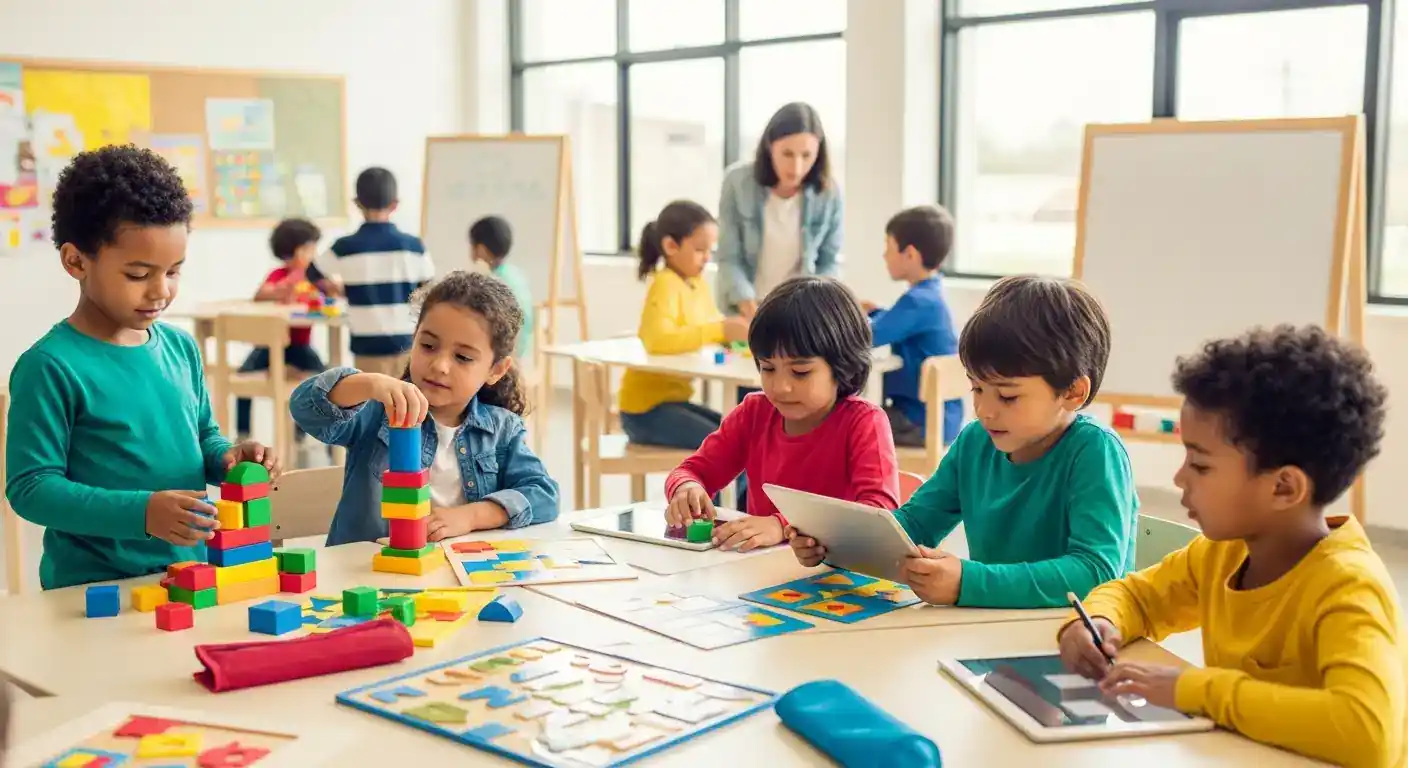
Understanding key concepts in educational philosophy is crucial for educators. It shapes teaching methodologies, curriculum design, and classroom management, ultimately influencing student learning outcomes. This guide explores essential philosophical concepts, empowering educators to create inclusive and effective learning environments.
Key Points:
- Philosophical Foundations: Explore the core tenets impacting educational practices.
- Practical Application: Translate philosophical concepts into real-world classroom strategies.
- Inclusive Education: Understand how philosophy supports diverse learning needs.
- Ethical Considerations: Navigate the ethical dimensions of educational decision-making.
- Modern Trends: Analyze contemporary philosophical influences in education.
Exploring Key Concepts in Educational Philosophy
Educational philosophy provides a framework for understanding the purpose, methods, and desired outcomes of education. Essentialism, progressivism, perennialism, and existentialism are some of the prominent philosophies that influence educational practices. These philosophies offer different perspectives on the role of the teacher, the nature of learning, and the curriculum's focus.
Essentialism in Education
Essentialism emphasizes a core body of knowledge and skills that all students should acquire. This philosophy emphasizes discipline, rigor, and mastery of fundamental subjects. Standardized testing and a structured curriculum are hallmarks of essentialist education.
Progressivism in Educational Philosophy
Progressivism, conversely, focuses on student-centered learning, experiential activities, and the development of critical thinking skills. It emphasizes real-world application and problem-solving, encouraging students to actively construct their own knowledge. Project-based learning and collaborative activities are common in progressive classrooms.
Applying Educational Philosophy in the Classroom
Understanding these key concepts in educational philosophy empowers educators to make informed decisions about their teaching practices. Curriculum development, instructional strategies, and classroom management techniques can all be aligned with a chosen philosophy or a blend of several.
Creating Inclusive Learning Environments through Educational Philosophy
A strong understanding of educational philosophy helps educators create inclusive learning environments that cater to the diverse needs of all students. By considering the philosophical underpinnings of their teaching, educators can develop strategies that support students with varying learning styles, cultural backgrounds, and abilities. Differentiated instruction and culturally responsive teaching draw heavily from philosophical principles. Recent research from the Journal of Inclusive Education (2024) highlights the impact of philosophical alignment on student engagement and achievement in diverse classrooms.
Ethical Considerations in Educational Philosophy
Ethical considerations are paramount in educational philosophy. Decisions about curriculum content, assessment methods, and student discipline should be guided by ethical principles of fairness, equity, and respect. The work of Dr. Maxine Greene (2023) emphasizes the importance of fostering democratic values and social justice within educational settings.
Key Concepts in Educational Philosophy: Addressing FAQs
Q1: How do I choose the right educational philosophy for my classroom?
There's no single "right" philosophy. Reflect on your values and beliefs about teaching and learning. Consider your students' needs and the context of your school. Often, a blended approach incorporating elements from multiple philosophies is most effective.
Q2: What is the role of technology in educational philosophy?
Technology integration should align with your chosen philosophy. For example, progressivists might utilize technology for collaborative projects, while essentialists might use it for drill-and-practice exercises. Consider how technology can enhance learning experiences and support your philosophical goals.
Q3: How can I stay updated on current trends in educational philosophy?
Engage in professional development, read educational journals and books, and participate in discussions with colleagues. Staying informed about the latest research and trends will help you refine your practice and adapt to evolving educational landscapes. "The Future of Educational Philosophy" (Johnson, 2025) offers valuable insights into emerging trends.
Q4: How does educational philosophy relate to inclusive education practices?
Inclusive education benefits greatly from a well-defined educational philosophy. Understanding different learning styles and needs, as highlighted in "Inclusive Pedagogies" (Smith, 2023), allows educators to tailor their teaching methods and create an environment where every student feels valued and supported.
Conclusion: Embracing Educational Philosophy for Continuous Growth
A deep understanding of key concepts in educational philosophy is essential for effective teaching. By consciously reflecting on their philosophical beliefs, educators can make informed decisions that positively impact student learning. We encourage you to explore these concepts further and share your thoughts and experiences in the comments below. Subscribe to our newsletter for more articles on inclusive education and best practices. For further reading, explore our category page on inclusive education: /categories/inclusive-education. You might also find our article on differentiated instruction helpful: /articles/differentiated-instruction-strategies-for-inclusive-classrooms. Finally, learn more about creating positive learning environments: /articles/creating-positive-and-inclusive-learning-environments.
Future Expansion Topics:
- The impact of globalization on educational philosophy.
- The role of artificial intelligence in shaping future educational practices.
- In-depth exploration of specific philosophical approaches, such as pragmatism and constructivism.
This article was published on 2025-08-01. Due to the ever-evolving nature of educational practices, it is recommended to review and update this information annually.