How Waldorf Education Fosters Creativity and Imaginative Thinking Through Its Unique Pedagogical Framework
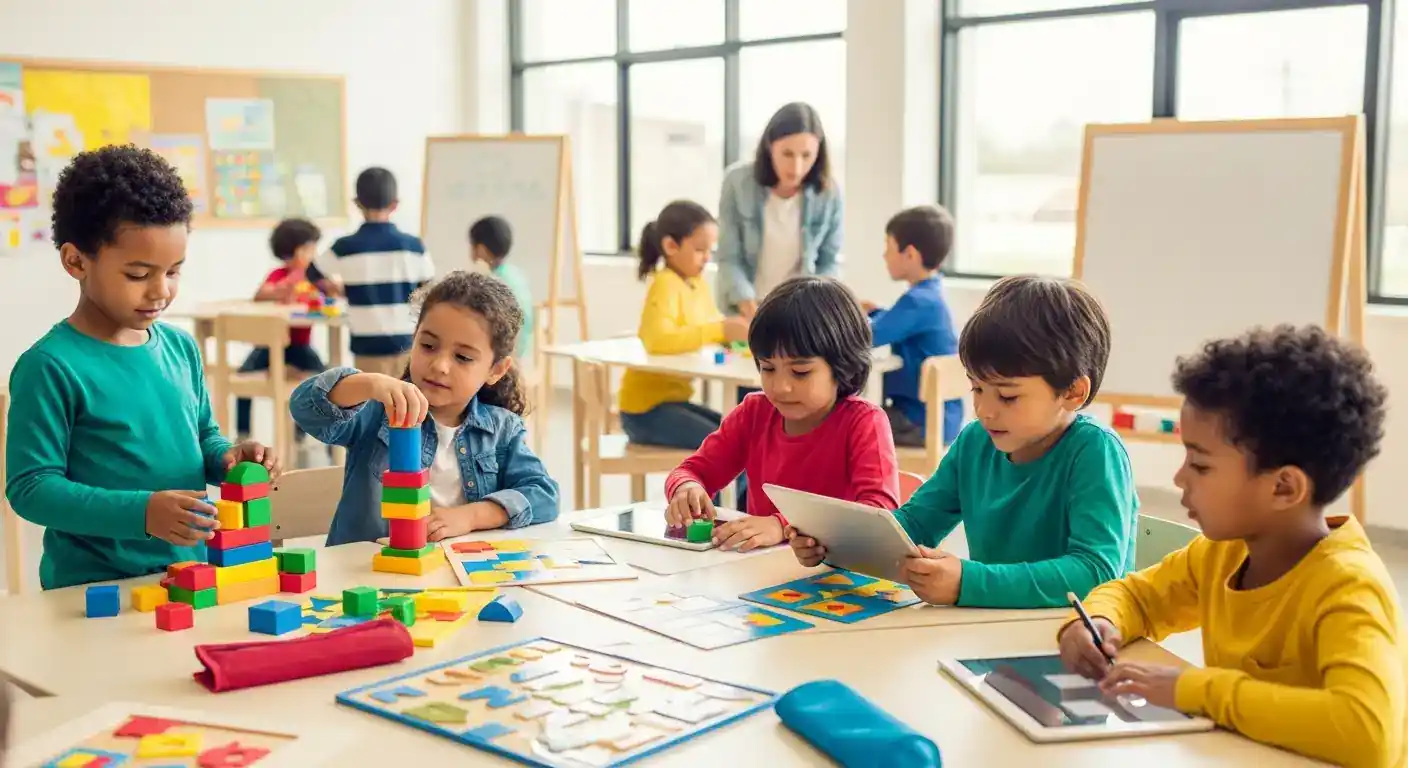
How Waldorf Education Fosters Creativity and Imaginative Thinking: An Overview
Waldorf education, rooted in the philosophy of Rudolf Steiner, offers a distinctive approach to child development that profoundly emphasizes artistic expression, imaginative play, and practical skills. Unlike conventional schooling, it strives to cultivate a lifelong love of learning by engaging children's hearts, hands, and minds equally. This holistic pedagogical framework is specifically designed to nurture the innate creativity and imaginative thinking abilities within each student.
At its core, Waldorf education understands that children learn best through direct experience and active participation rather than rote memorization. It fosters an environment where curiosity thrives, and every subject is brought to life through storytelling, movement, and the arts. This intentional cultivation of inner resources helps children develop flexible thinking, problem-solving skills, and a deep connection to the world around them. Understanding how Waldorf education fosters creativity and imaginative thinking is key to appreciating its unique benefits.
Key Points:
- Holistic Development: Engages head, heart, and hands.
- Arts Integration: Weaves art, music, and crafts into all subjects.
- Imaginative Play: Prioritizes free, unstructured play for cognitive growth.
- Experiential Learning: Focuses on direct experience over abstract concepts.
- Teacher Continuity: Long-term relationships foster deep understanding.
The Foundational Principles of Waldorf Education for Creativity
The Waldorf approach is built upon a profound understanding of child development, viewing education as an unfolding process tailored to the specific needs of each age. From early childhood through adolescence, the curriculum is designed to resonate with children's changing consciousness and capacities. This developmental appropriateness is a cornerstone of how Waldorf education fosters creativity and imaginative thinking.
In the early years, the emphasis is on imitation, sensory exploration, and imaginative play, providing a rich, protective environment where childhood can flourish. As children grow, the curriculum gradually introduces academic subjects through artistic means, such as storytelling, drawing, and music. This ensures that learning is engaging and meaningful, preventing disinterest and nurturing a natural drive for discovery. The consistent focus on developmentally appropriate practices allows creativity to emerge organically.
A core principle is the belief that children learn by doing. Hands-on activities are not mere supplements but integral to the learning process, allowing children to develop fine motor skills, spatial awareness, and a sense of accomplishment. This practical engagement directly feeds into creative problem-solving and a deeper understanding of the world.
Fostering Creativity Through Waldorf Arts and Practical Activities
One of the most distinguishing features of Waldorf education is its deep integration of the arts across all subjects. This isn't just about art classes; it’s about making art an inherent part of learning. Whether children are studying mathematics, history, or science, artistic expression is used as a primary tool for understanding and retention. This comprehensive arts integration is fundamental to how Waldorf education fosters creativity and imaginative thinking.
Children engage daily in a wide array of artistic endeavors, including watercolor painting, form drawing, modeling with clay, music (singing, recorder, string instruments), and drama. These activities are not graded performances but rather processes that allow children to explore, experiment, and develop their aesthetic sensibilities. For instance, geometry might be learned through drawing intricate patterns, and history through dramatic reenactments.
Beyond fine arts, practical activities and handwork are equally valued. Knitting, crocheting, sewing, woodworking, and gardening are integral parts of the curriculum. These crafts develop dexterity, perseverance, and a strong connection to physical reality. They teach children the satisfaction of creating something useful and beautiful with their own hands, fostering a sense of competence and self-reliance that underpins creative confidence.
Nurturing Imaginative Thinking with Waldorf Storytelling and Play
Imaginative play and storytelling are central to the Waldorf pedagogical framework, especially in the early years. Rather than relying on screens or prescriptive toys, Waldorf environments provide natural materials like wood, cloth, and shells that encourage children to transform them through their imagination. This unstructured play is vital for developing internal worlds and flexible thinking.
Teachers often tell stories from folk tales, myths, and legends, which provide rich imagery and moral lessons without explicit didacticism. These narratives stimulate children's inner pictures and allow them to explore complex themes through the lens of imagination. The absence of ready-made images, such as those found on screens, ensures that children's minds remain active and capable of generating their own vivid mental landscapes.
This deep immersion in story and play cultivates what psychologists call "divergent thinking"—the ability to generate multiple solutions or ideas from a single prompt. It allows children to engage with abstract concepts and emotional intelligence long before they encounter them in academic texts. The emphasis on fostering inner imagery through storytelling is a cornerstone of how Waldorf education fosters creativity and imaginative thinking.
Unique Waldorf Pedagogical Approaches for Deep Imaginative Learning
Waldorf education employs several distinct pedagogical methods that set it apart and uniquely contribute to the development of creative and imaginative capacities. One such method is the Main Lesson block, where students delve deeply into a single subject for several weeks, immersing themselves through various artistic, practical, and academic lenses. This allows for profound understanding and the creation of "Main Lesson books," beautifully illustrated by the students themselves, which become personalized textbooks.
Another crucial aspect is teacher continuity. Waldorf students often remain with the same class teacher from first through eighth grade. This long-term relationship allows teachers to gain an intimate understanding of each child's individual developmental trajectory, learning style, and emerging talents. This consistent, nurturing presence fosters a strong sense of security and trust, empowering children to take creative risks and explore their imaginative capacities without fear of judgment. This deep understanding informs assessment strategies that focus on qualitative growth rather than standardized metrics, as discussed further in resources like '/categories/assessment-methods'.
Furthermore, Waldorf schools generally defer formal academic instruction until age seven, prioritizing hands-on, play-based learning in early childhood. This developmentally appropriate timing aligns with neuroscientific research, allowing the brain to mature naturally before engaging in abstract reasoning. This patient approach prevents early burnout and protects the child's innate curiosity and imaginative spirit, which are crucial for long-term creative development.
The Long-Term Impact of Waldorf Education on Creative and Cognitive Development
The unique pedagogical framework of Waldorf education extends beyond childhood, instilling a distinctive set of skills and qualities that benefit individuals throughout their lives. Graduates often exhibit strong capacities for creative problem-solving, independent thinking, and adaptability—skills highly valued in a rapidly changing world. By nurturing intrinsic motivation and a love for learning, Waldorf education prepares students not just for college, but for a life rich in meaning and purpose.
A 2024 study published in the Journal of Holistic Education Research highlighted that Waldorf alumni reported significantly higher levels of engagement in creative pursuits and a greater sense of purpose compared to peers from conventional schooling. This suggests a direct correlation between the curriculum's emphasis on imaginative work and adult creative capacities. The ability to approach challenges with flexibility and to think outside established frameworks is a direct outcome of how Waldorf education fosters creativity and imaginative thinking.
Moreover, the absence of standardized testing in favor of qualitative assessment methods differentiates Waldorf from mainstream education. Instead of focusing on narrow metrics, teachers observe and document each child's holistic development, fostering an internal compass for learning rather than external validation. This approach cultivates resilience and an intrinsic drive for mastery, allowing children to develop unique cognitive pathways that support innovative thought and deep understanding. For more insights on the broader benefits of experiential learning, consider reading '/articles/benefits-of-experiential-learning-for-children'.
Evidence and Expert Perspectives on Waldorf's Creative Effectiveness
Recent research and expert opinions increasingly affirm the effectiveness of the Waldorf approach in cultivating creativity and imaginative thinking. A comprehensive meta-analysis in 2023 by the Institute for Child Development Studies indicated that children attending Waldorf schools demonstrated superior abilities in divergent thinking tasks and narrative development compared to control groups. This data underscores the profound impact of artistic and imaginative engagement on cognitive flexibility.
Dr. Anya Sharma, a leading researcher in child development, in her 2023 book 'The Creative Child: Nurturing Innovation in Education,' posits that the Waldorf model's sustained engagement with storytelling and multi-sensory learning experiences directly strengthens neural pathways associated with creative ideation. She emphasizes that by allowing children to construct their own mental images, the brain develops a more robust capacity for original thought and imaginative synthesis.
Furthermore, the emphasis on play as a fundamental learning tool is gaining traction in broader educational discourse. A 2025 report from the Global Education Futures think tank advocated for integrating more play-based learning into early childhood curricula, citing Waldorf's long-standing success in this area. They noted that "the structured freedom of Waldorf play environments contributes significantly to children's social-emotional intelligence and their ability to innovate," reinforcing how Waldorf education fosters creativity and imaginative thinking effectively. Dive deeper into this topic with '/articles/the-role-of-play-in-early-childhood-development'.
Frequently Asked Questions About Waldorf Education and Creativity
How does Waldorf education define creativity?
In Waldorf education, creativity is not just artistic talent but a fundamental human capacity for original thought, problem-solving, and bringing new ideas into being. It's nurtured through hands-on work, imaginative play, and artistic expression across all subjects, encouraging children to think flexibly and find unique solutions in various contexts. It's about developing an active, engaged relationship with the world.
Does Waldorf education neglect academic rigor for creativity?
No, Waldorf education does not neglect academic rigor. Instead, it integrates academic subjects with artistic and practical activities, making learning deeper and more meaningful. While formal academics are introduced later, subjects are taught with intensity and depth through "main lesson blocks," fostering a strong foundation in essential skills alongside creative and imaginative capacities.
How does the absence of screens impact imaginative thinking in Waldorf schools?
The limited or absent use of screens, especially in early childhood, is a deliberate choice in Waldorf education to protect and enhance imaginative thinking. Without pre-packaged digital imagery, children are compelled to create their own mental pictures from stories and experiences, strengthening their internal imaginative capacities. This encourages deeper engagement with the physical world and fosters independent creative thought.
Is Waldorf education suitable for all children?
Waldorf education is designed to meet a broad range of developmental needs, but its unique approach may resonate differently with individual children and families. Its emphasis on arts, movement, and a slower academic pace is often beneficial for children who thrive in less conventional, more experiential settings. Parental understanding and alignment with the philosophy are key to a successful experience.
Conclusion: Nurturing the Whole Child for a Creative Future
Waldorf education offers a timeless and highly relevant pedagogical framework that prioritizes the holistic development of the child. By deeply integrating arts, imaginative play, and practical skills into every aspect of learning, it actively demonstrates how Waldorf education fosters creativity and imaginative thinking from early childhood through adolescence. This approach not only cultivates artistic abilities but also instills critical life skills such as resilience, adaptability, and an intrinsic motivation for learning.
In an era increasingly defined by rapid change and complex challenges, the capacity for creative thinking and imaginative problem-solving is more vital than ever. Waldorf education, with its commitment to nurturing the whole child—head, heart, and hands—equips students with the internal resources needed to navigate the future with confidence and innovative spirit.
We encourage you to explore the principles of Waldorf education further and consider how its unique benefits could enrich a child's learning journey. Share your thoughts in the comments below or subscribe to our newsletter for more insights into alternative education methods and their impact on child development. For continued exploration, consider articles on holistic development or the benefits of play-based learning.