How Educational Philosophy Influences Student Motivation and Engagement
Brief Overview
Understanding the interplay between educational philosophy and student motivation is crucial for effective teaching. A well-defined philosophy shapes curriculum design, classroom management, and teacher-student interactions, ultimately influencing student engagement and learning outcomes. By aligning teaching practices with a philosophy that prioritizes student needs, educators can foster a more motivating and enriching learning environment.
Key Points:
- Educational philosophy directly impacts student motivation.
- Different philosophies offer diverse approaches to learning.
- Understanding these philosophies helps tailor teaching strategies.
- Motivated students are more engaged and achieve better results.
- Applying appropriate philosophies enhances the learning experience.
How Educational Philosophy Shapes Student Motivation
Educational philosophies, such as constructivism, progressivism, and humanism, provide frameworks for understanding how students learn and what motivates them. Each philosophy offers unique perspectives on the role of the teacher, the nature of knowledge, and the importance of student experience.
Constructivism and Student-Centered Learning
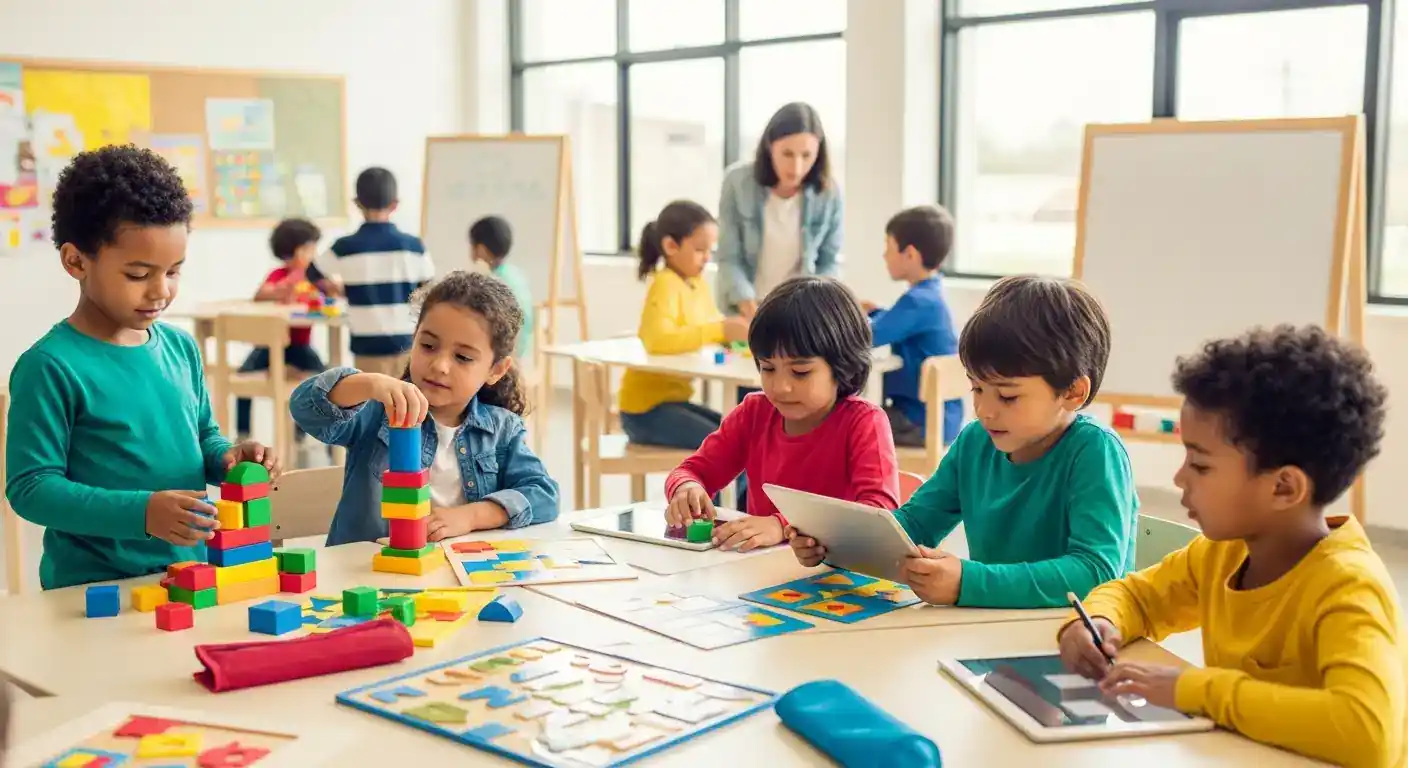
Constructivism emphasizes active learning where students construct their own understanding through experience and reflection. This approach fosters intrinsic motivation by empowering students to take ownership of their learning. Providing opportunities for exploration, collaboration, and problem-solving can significantly enhance engagement.
Progressivism: Fostering Critical Thinking and Engagement
Progressive education focuses on real-world application and the development of critical thinking skills. By connecting learning to relevant issues and encouraging student inquiry, educators can ignite student motivation and foster a deeper understanding of the subject matter. Project-based learning and collaborative activities are key components of this approach.
Humanism: Nurturing the Whole Child
Humanistic philosophies prioritize the emotional and social well-being of the student. Creating a supportive and inclusive classroom environment where students feel valued and respected is crucial for fostering intrinsic motivation. This approach recognizes the importance of individual learning styles and encourages self-directed learning.
Impact of Educational Philosophy on Student Engagement
The chosen educational philosophy directly impacts student engagement in the classroom. A philosophy that aligns with student needs and learning styles can lead to increased participation, higher levels of motivation, and improved academic performance.
Creating Engaging Learning Experiences
By incorporating elements of different philosophies, educators can create dynamic and engaging learning experiences. For example, using constructivist principles to design hands-on activities, coupled with the humanistic emphasis on creating a supportive learning environment, can significantly enhance student motivation and engagement.
Differentiated Instruction and Personalized Learning
Understanding different educational philosophies enables educators to implement differentiated instruction and personalized learning strategies. By tailoring teaching methods to individual student needs and preferences, teachers can create a more inclusive and motivating learning environment. This personalized approach fosters a sense of ownership and empowers students to achieve their full potential.
Differentiated Content:
- Neuroplasticity and Educational Philosophy: Recent research on neuroplasticity supports the idea that the brain is constantly changing and adapting. This reinforces the effectiveness of philosophies like constructivism, which emphasize active learning and experience-driven knowledge acquisition. (Source: "The Brain That Changes Itself" by Norman Doidge, 2007 - for illustrative purposes, find updated research)
- Technology Integration and Personalized Learning: Emerging educational technologies offer unprecedented opportunities for personalized learning, aligning with the principles of humanism and allowing educators to tailor instruction to individual student needs and learning styles. (Source: "Personalized Learning: A Guide for Engaging Students with Technology" by Peggy Grant and Dale Basye, 2024 - for illustrative purposes, find updated research)
Internal Linking Strategy:
- Explore more about classroom management strategies: (Category Link: /categories/educational-leadership)
- Learn more about different learning styles: (Article Link: /articles/understanding-different-learning-styles-in-education)
- Dive deeper into creating a positive learning environment: (Article Link: /articles/creating-a-positive-and-inclusive-learning-environment)
FAQ Section:
Q1: How can I determine the best educational philosophy for my students?
A1: Consider your students' ages, learning styles, and the specific subject matter. Experimenting with different approaches and observing student responses can help you identify the most effective philosophy for your classroom.
Q2: What are some practical ways to incorporate constructivist principles in my teaching?
A2: Encourage hands-on activities, group projects, and student-led discussions. Provide opportunities for students to explore, experiment, and discover knowledge for themselves.
Q3: How can I create a more humanistic learning environment?
A3: Foster open communication, respect diverse perspectives, and build strong relationships with your students. Create a safe and inclusive space where students feel comfortable taking risks and expressing themselves.
Q4: What is the connection between student motivation and academic achievement?
A4: Motivated students are more likely to be engaged in learning, participate actively in class, and persevere through challenges. This increased engagement often translates to improved academic performance and a deeper understanding of the subject matter.
CTA Conclusion:
Understanding how educational philosophy influences student motivation and engagement is a continuous journey. By exploring different philosophies and adapting your teaching strategies, you can create a more enriching and impactful learning experience for all students. Share your thoughts and experiences in the comments below! Subscribe to our newsletter for more insights on educational leadership and best practices. For further reading, explore the works of John Dewey and Maria Montessori.
Timeliness and Scalability:
- Publication Date: 2025-09-01
- Recommended Update Frequency: Annually
- Expandable Subtopics:
- The role of technology in enhancing student engagement.
- Addressing diverse learning needs through differentiated instruction.
- The impact of assessment methods on student motivation.