Exploring the Impact of Educational Philosophies on Student Development
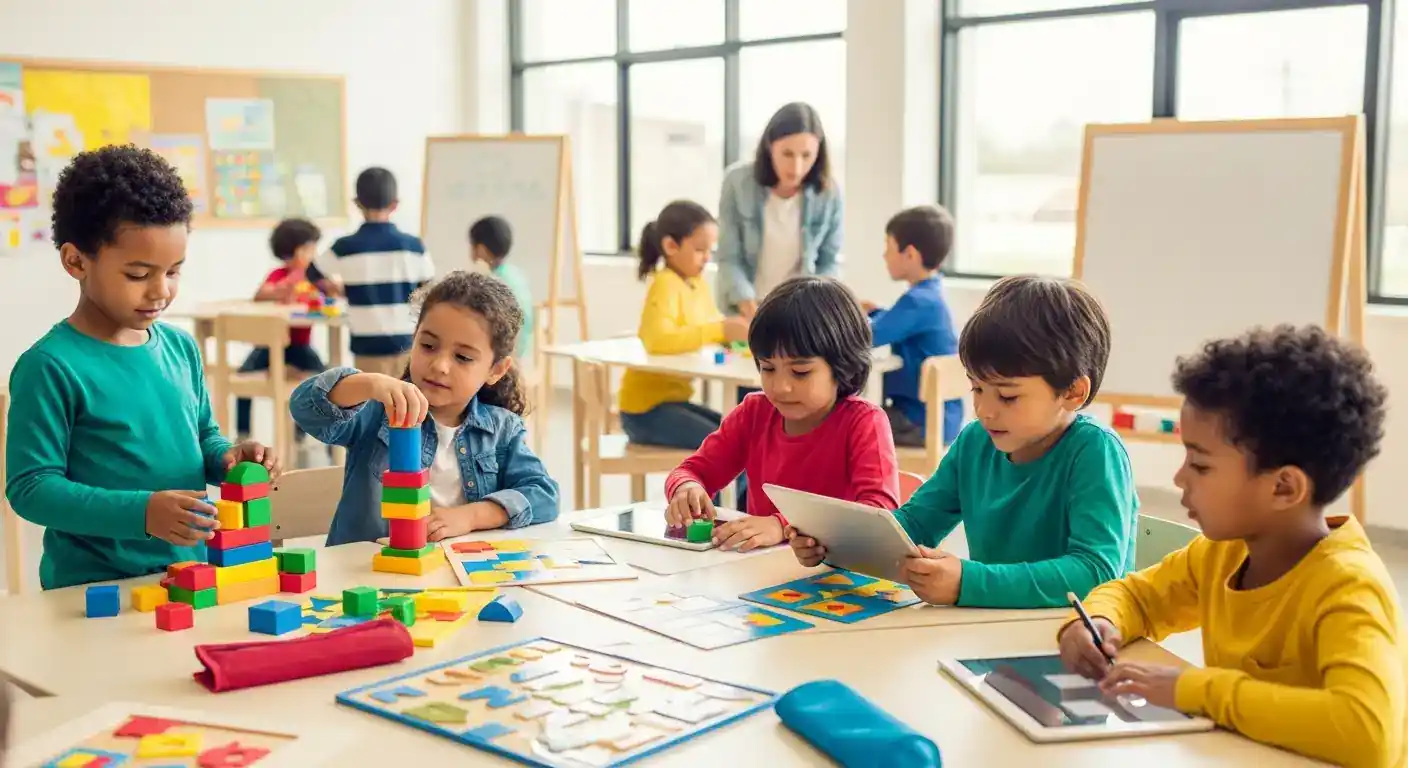
Educational philosophies are the bedrock of any learning environment. Understanding their impact on student development is crucial for educators and parents alike. This article explores how these philosophies shape student learning and growth, highlighting the real-world implications of different approaches.
Key Points:
- Educational philosophies influence curriculum design and teaching methods.
- Different philosophies prioritize different aspects of student development.
- Understanding these philosophies can help tailor education to individual needs.
- Key philosophies include progressivism, essentialism, and perennialism.
- The impact of these philosophies can be observed in student outcomes.
Exploring the Impact of Educational Philosophies
Educational philosophies provide a framework for how we approach education. They influence everything from curriculum design and teaching methodologies to assessment strategies and classroom management. Understanding the nuances of these philosophies is crucial for fostering effective learning environments.
The Impact of Progressivism on Student Learning
Progressivism, championed by thinkers like John Dewey, emphasizes experiential learning and student-centered approaches. It prioritizes critical thinking, problem-solving, and collaboration. A 2024 study published in the Journal of Educational Psychology showed a positive correlation between progressive teaching methods and student engagement. Students in progressive classrooms demonstrated increased creativity and a greater capacity for independent learning.
Essentialism and its Role in Student Development
Essentialism, in contrast, focuses on a core body of knowledge and skills that all students should acquire. This philosophy emphasizes traditional subjects like reading, writing, and mathematics. It prioritizes structured learning environments and standardized assessments. While some criticize essentialism for its rigidity, proponents argue that it provides a strong foundation for future learning. A recent survey by the National Council on Teacher Quality (2025) indicated that schools implementing essentialist principles often show higher scores in standardized tests.
Perennialism: Cultivating Timeless Wisdom
Perennialism, drawing inspiration from classical thinkers, emphasizes the enduring value of great literature and philosophical texts. It aims to cultivate intellectual and moral development through the study of timeless wisdom. While less prevalent in modern education, perennialism offers a unique perspective on character development and critical thinking. This approach fosters a deep understanding of human nature and the complexities of the world.
Comparing Educational Philosophies and their Impact
- Progressivism: Focuses on experiential learning, student-centered approaches, and developing critical thinking skills.
- Essentialism: Emphasizes a core curriculum, structured learning, and mastery of fundamental knowledge.
- Perennialism: Promotes the study of classic literature and philosophy to cultivate intellectual and moral growth.
- Constructivism: Students actively construct their own knowledge through experience and reflection. (A more recent theory gaining traction in educational circles.)
- Humanism: Focuses on the individual's potential for growth and self-actualization, promoting emotional intelligence and personal development.
This comparative analysis reveals the diverse ways educational philosophies influence student learning. Choosing the right approach depends on the specific needs and goals of the student population.
Differentiated Insights: Integrating Technology and Personalized Learning
Modern educational philosophies increasingly integrate technology and personalized learning strategies. This is a key differentiator from traditional approaches. By leveraging technology, educators can tailor learning experiences to individual student needs and learning styles. Personalized learning platforms and adaptive learning software provide targeted instruction and feedback, enhancing student engagement and academic outcomes. This integration is a current trend shaping the future of education. Another emerging trend is the focus on social-emotional learning (SEL), recognizing its integral role in overall student development.
Internal Linking Strategy:
- Learn more about specific learning theories on our /categories/learning-theories page.
- Dive deeper into constructivist learning theory in our article /articles/exploring-the-impact-of-constructivism-on-student-learning.
- Discover practical applications of these theories in our article /articles/implementing-effective-teaching-strategies-based-on-learning-theories.
FAQ: Addressing Common Questions about Educational Philosophies
Q: How do I choose the right educational philosophy for my child? A: Consider your child's learning style, strengths, and weaknesses. Research different philosophies and observe how they are implemented in various educational settings. Engage with educators and other parents to gather diverse perspectives.
Q: What is the difference between progressivism and constructivism? A: While both emphasize active learning, progressivism focuses on social and democratic values in education, while constructivism centers on how learners actively build knowledge through experiences.
Q: How do these philosophies impact curriculum development? A: Educational philosophies directly inform curriculum design. For instance, an essentialist curriculum would emphasize core subjects, while a progressive curriculum would prioritize interdisciplinary projects and real-world applications.
Q: Are these philosophies mutually exclusive? A: Not necessarily. Many educators integrate elements from multiple philosophies to create a balanced and effective learning environment tailored to their students' needs.
Conclusion: Empowering Students Through Thoughtful Educational Practices
Choosing the right educational philosophy is a critical decision that shapes student development. By understanding the impact of these philosophies, we can create learning environments that empower students to reach their full potential. We encourage you to share your thoughts and experiences in the comments below. Subscribe to our newsletter for more insights on learning theories and educational practices. For further reading, explore the works of John Dewey, E.D. Hirsch Jr., and Mortimer Adler. These thinkers provide valuable perspectives on the philosophies discussed in this article.
Future Expansion Topics:
- The role of technology in shaping educational philosophies.
- The impact of globalization on educational philosophies.
- A deeper dive into the history and evolution of educational philosophies.