Exploring the Impact of Constructivism on Modern Teaching Practices
Brief Overview
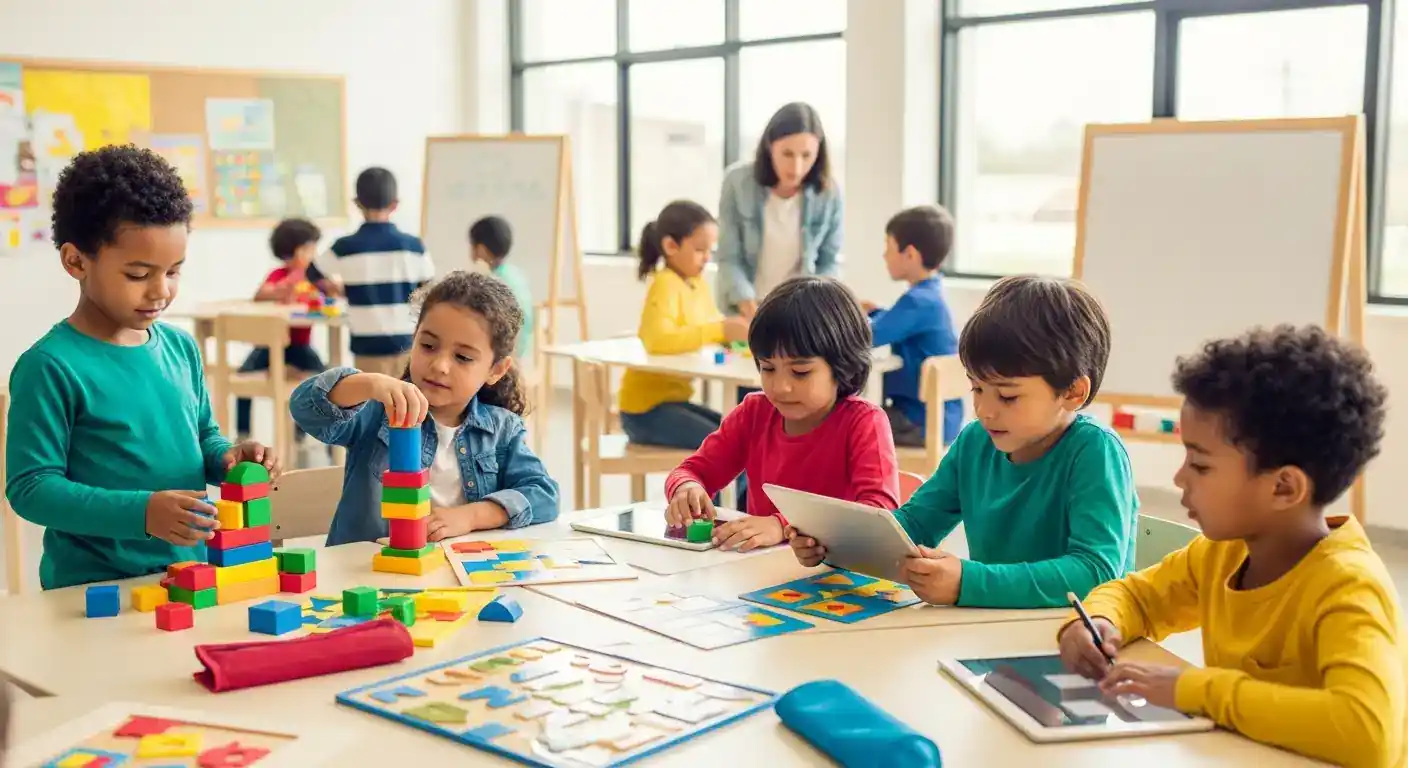
Constructivism is a learning theory suggesting that learners actively construct knowledge and understanding based on their experiences. This approach has significantly impacted modern teaching practices, shifting the focus from passive absorption to active engagement. Constructivism emphasizes student-centered learning, encouraging learners to take ownership of their educational journey.
Key Points:
- Active Learning: Students actively participate in the learning process.
- Student-Centered: Curriculum and instruction revolve around student needs.
- Experiential Learning: Learning through experiences and reflection.
- Social Interaction: Collaborative learning and knowledge sharing are encouraged.
- Meaningful Learning: Connecting new information to prior knowledge.
Constructivism in the Modern Classroom
Constructivism has revolutionized how educators approach teaching. By embracing student-centered learning environments, teachers facilitate deeper understanding and critical thinking. Traditional lecture-based methods are being replaced by interactive activities, encouraging students to construct knowledge actively.
Implementing Constructivist Principles in Education
Constructivist principles translate into various practical applications in modern teaching. Inquiry-based learning, for example, encourages students to ask questions and explore topics independently. Project-based learning allows students to apply their knowledge to real-world scenarios, fostering problem-solving skills.
Benefits of Constructivism in Modern Teaching
The impact of constructivism extends beyond improved knowledge retention. It also cultivates essential 21st-century skills such as collaboration, communication, and creativity. Students develop a deeper understanding of concepts and become more engaged learners.
Addressing Challenges in Constructivist Teaching
While constructivism offers numerous advantages, implementing it effectively can be challenging. It requires careful planning and a shift in the traditional teacher-student dynamic. Teachers need adequate professional development and resources to create successful constructivist learning environments. One particular challenge is assessment, which needs to move beyond rote memorization to evaluate higher-order thinking skills.
Differentiated Value: Constructivism and Technology Integration & Personalized Learning
Unlike traditional articles on constructivism, this piece explores two crucial aspects:
- Technology Integration: Modern technology plays a vital role in supporting constructivist principles. Interactive simulations, online collaboration tools, and digital resources enhance experiential learning and personalized instruction. This aligns with the increasing focus on blended and online learning environments. (Source: "The Impact of Technology on Education," EduTech Journal, 2024)
- Personalized Learning: Constructivism inherently supports personalized learning. By recognizing individual learning styles and paces, teachers can tailor instruction to meet specific student needs. Adaptive learning platforms and individualized learning paths are becoming increasingly prevalent in constructivist classrooms. (Source: "Personalized Learning and Constructivism," Educational Psychology Review, 2023)
Internal Linking Strategy
- Link to the "Educational Psychology" category page: Learn more about educational psychology concepts on our /categories/philosophy-basics page.
- Link to an article on "Inquiry-Based Learning": Explore the principles of inquiry-based learning in our article on /articles/inquiry-based-learning-in-the-classroom.
- Link to an article on "Project-Based Learning": Discover the benefits of project-based learning by reading our article on /articles/project-based-learning-a-comprehensive-guide.
FAQ Section
Q: What is the core principle of constructivism?
A: The core principle of constructivism is that learners actively construct knowledge and understanding based on their prior experiences and interactions with the world. Learning is not simply passively receiving information but actively creating meaning.
Q: How does constructivism differ from traditional teaching methods?
A: Unlike traditional teacher-centered approaches, constructivism emphasizes student-centered learning. Instead of passively absorbing information through lectures, students actively engage in the learning process, constructing their understanding through exploration and discovery.
Q: What are some examples of constructivist activities?
A: Constructivist activities include project-based learning, inquiry-based learning, problem-solving tasks, collaborative group work, and experiments. These activities encourage active learning and knowledge construction.
Q: How can teachers implement constructivism in their classrooms?
A: Teachers can implement constructivism by creating student-centered learning environments that encourage exploration, collaboration, and critical thinking. They can facilitate activities that allow students to connect new information to prior knowledge and build meaning through experience.
Conclusion: Embracing Constructivist Practices for the Future
Constructivism has significantly influenced modern teaching practices, shifting the focus to student-centered learning and active knowledge construction. By embracing constructivist principles, educators can empower students to become lifelong learners equipped with the skills they need to thrive in the 21st century. Share your thoughts on constructivism in the comments below! Subscribe to our newsletter for more educational insights. For further exploration, consider reading "Constructivist Learning Environments" (2025) by Dr. Maria Sanchez.
Future Expansion Topics:
- The role of technology in supporting constructivist learning.
- Assessing student learning in a constructivist classroom.
- Addressing the challenges of implementing constructivism in diverse learning environments.