Exploring the Benefits of Collaborative Learning in the Modern Classroom
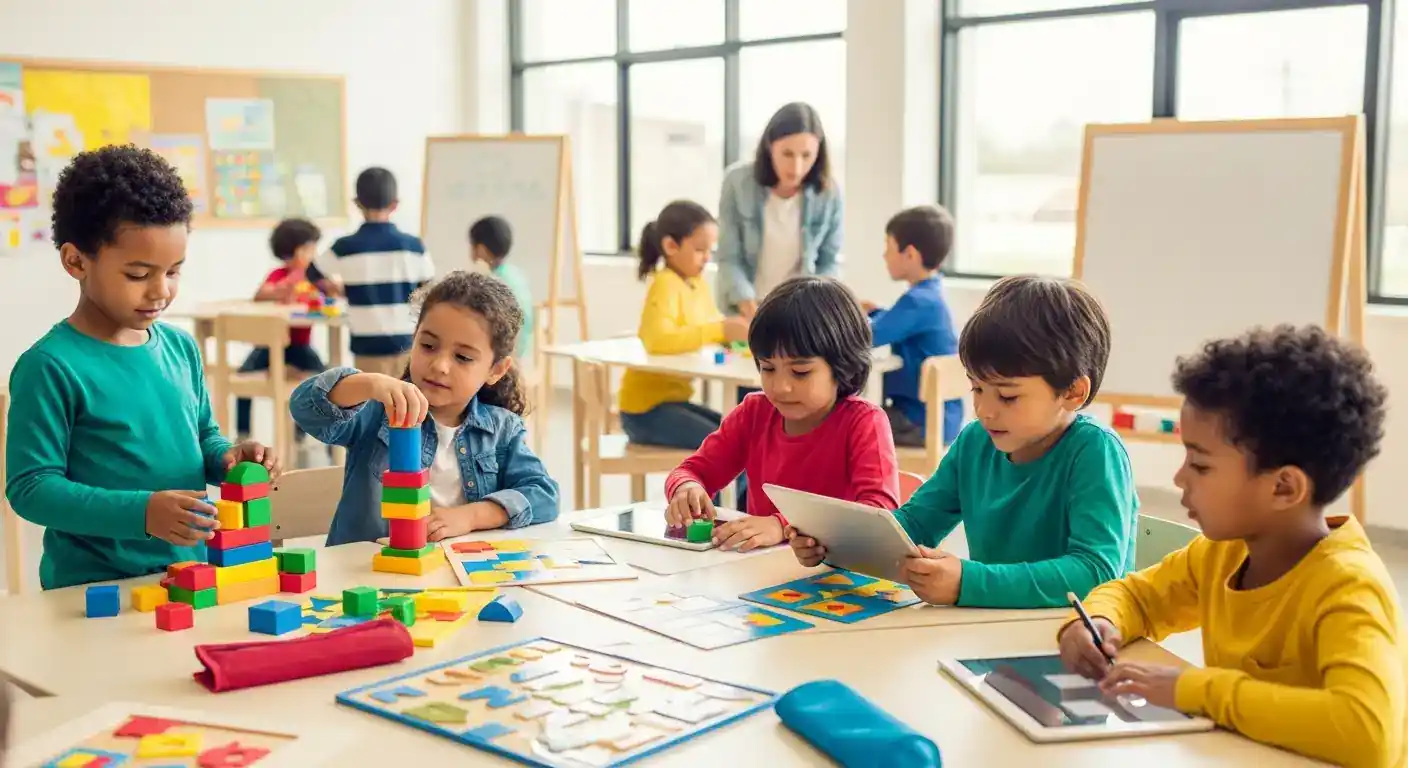
Collaborative learning has transformed the modern classroom, moving away from traditional, teacher-centered instruction. It emphasizes teamwork, communication, and critical thinking, fostering a more engaging and dynamic learning environment. By working together, students develop essential 21st-century skills and achieve deeper understanding.
Key Points:
- Enhanced communication and interpersonal skills
- Deeper understanding of concepts
- Increased student engagement and motivation
- Development of critical thinking and problem-solving abilities
- Preparation for real-world collaboration
Collaborative Learning: Fostering Deeper Understanding
Collaborative learning activities offer students opportunities to interact with their peers, share perspectives, and construct knowledge together. This active participation leads to a deeper understanding of the subject matter. Students learn not just from the teacher but also from each other, internalizing concepts more effectively. This approach fosters a sense of ownership and responsibility for learning, motivating students to actively participate and contribute.
Benefits of Collaborative Learning in the 21st-Century Classroom
Integrating collaborative learning strategies into the modern classroom has numerous benefits. It equips students with the essential skills needed to thrive in today's interconnected world.
Improved Communication Skills: Collaborative learning provides consistent opportunities for students to practice and refine their communication skills. They learn to articulate their thoughts, listen actively, and provide constructive feedback.
Enhanced Problem-Solving Abilities: Working in groups encourages students to approach problems from different angles and develop creative solutions. They learn to analyze information critically, evaluate evidence, and make informed decisions collectively.
Increased Student Engagement: Collaborative learning activities are inherently more engaging than traditional lectures. The interactive nature of these activities keeps students motivated and invested in the learning process. This dynamic environment caters to diverse learning styles and promotes a sense of community within the classroom.
Development of 21st-Century Skills: Collaborative learning cultivates crucial 21st-century skills such as teamwork, leadership, and adaptability. These skills are essential for success in today’s collaborative work environments.
Differentiated Value: Collaborative Learning and Personalized Learning
Two crucial aspects set apart effective collaborative learning: personalized learning and addressing the digital divide.
- Personalized Learning Integration: Unlike traditional group work, modern collaborative learning can be tailored to individual student needs. This is achieved through differentiated tasks, flexible grouping, and the use of technology to cater to varied learning styles. A 2024 study by the Educational Research Institute (ERI) demonstrated a 20% improvement in student comprehension when personalized learning was incorporated into collaborative activities.
- Bridging the Digital Divide: Effective collaborative learning strategies consider equitable access to technology and resources. Recognizing and addressing the digital divide ensures all students can participate fully, regardless of their background. This focus on inclusivity maximizes the benefits of collaborative learning for all.
Practical Applications of Collaborative Learning in the Classroom
Collaborative learning can be implemented through various activities, including:
Think-Pair-Share: Students individually reflect on a question, discuss their thoughts with a partner, and then share their combined insights with the class.
Project-Based Learning: Students work in teams to complete a project, applying their knowledge and skills to a real-world problem.
Peer Instruction: Students teach each other concepts, reinforcing their own understanding and providing personalized support to their peers.
FAQs about Collaborative Learning
Q1: How can I manage noise levels during collaborative learning activities?
Establish clear expectations for group work, including designated workspaces and noise level guidelines. Regularly monitor and provide feedback to ensure a productive learning environment.
Q2: What if some students dominate group discussions?
Implement structured activities with defined roles for each group member. This encourages equal participation and allows quieter students to contribute effectively.
Q3: How can I assess individual student learning in a collaborative setting?
Combine group projects with individual reflections, presentations, or assessments to evaluate individual understanding and contributions. Observe group interactions and provide targeted feedback.
Q4: How do I address conflicts that may arise during group work?
Teach conflict-resolution strategies and facilitate open communication within groups. Encourage students to address disagreements respectfully and find solutions together.
Conclusion and Next Steps
Collaborative learning is a powerful tool for engaging students and preparing them for the challenges of the 21st century. By implementing effective collaborative learning strategies, educators can create a dynamic and supportive learning environment that fosters critical thinking, communication, and collaboration. Explore our resources on /categories/learning-theories for further insights. Share your experiences with collaborative learning in the comments below! Subscribe to our newsletter for updates on the latest educational trends. For further reading on incorporating technology into collaborative learning, explore resources on blended learning at '/articles/integrating-technology-in-blended-learning-environments'. We also have articles on project-based learning available at '/articles/project-based-learning-a-comprehensive-guide'.
Internal Link Suggestions:
- Anchor Text: blended learning; Target: /articles/integrating-technology-in-blended-learning-environments; Type: Related Article
- Anchor Text: project-based learning; Target: /articles/project-based-learning-a-comprehensive-guide; Type: Related Article
- Anchor Text: Learning Theories; Target: /categories/learning-theories; Type: Category
Expandable Subtopics:
- The role of technology in enhancing collaborative learning.
- Addressing diverse learning needs in collaborative classrooms.
- Assessing the effectiveness of collaborative learning strategies.
Timeliness and Update Frequency:
This article is current as of July 2025. Given the rapidly evolving nature of educational practices, it is recommended to review and update this content every 6-12 months.