Exploring Constructivist Learning Theories in Modern Classrooms
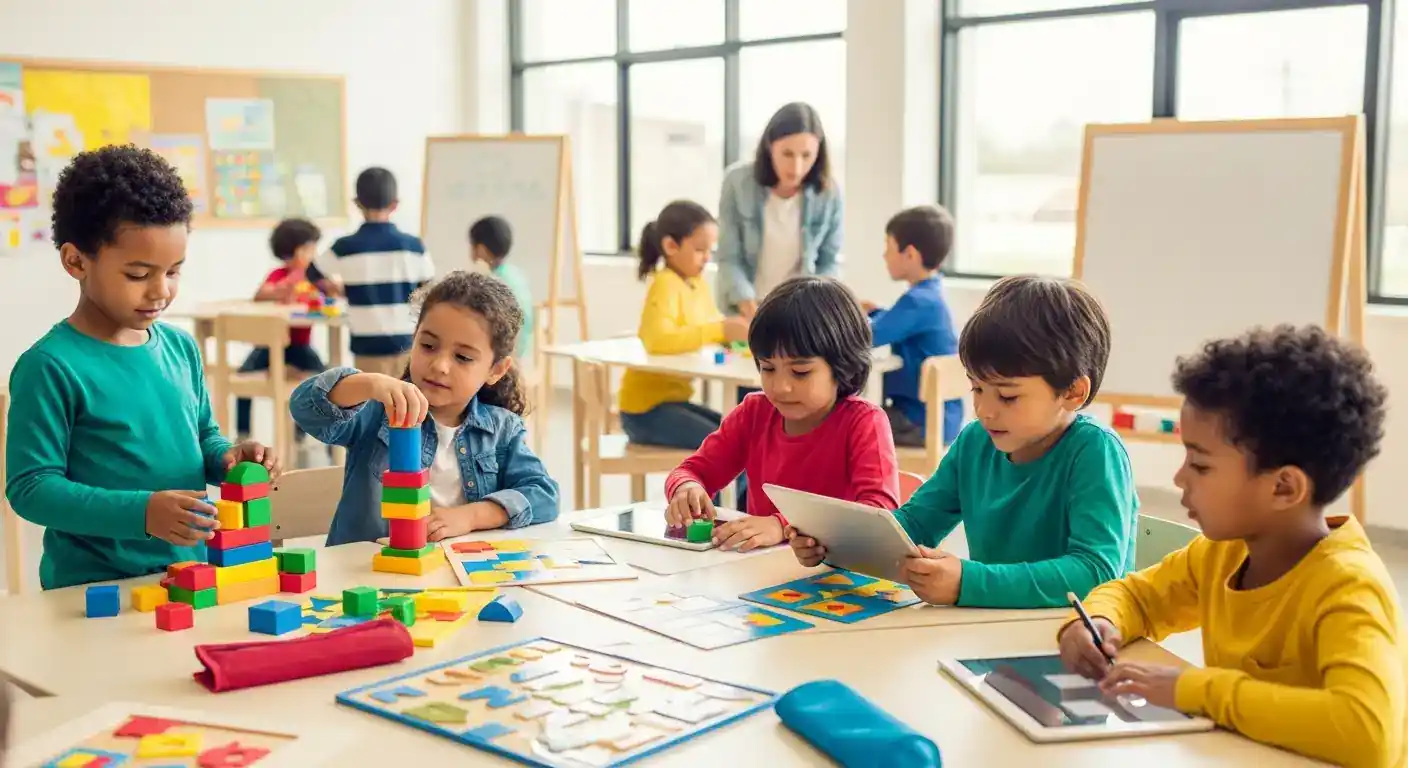
Exploring Constructivist Learning Theories in Modern Classrooms
Constructivist learning theories represent a powerful paradigm shift in education, moving away from traditional rote memorization towards a more dynamic, student-centered approach. At its core, constructivism posits that learners actively construct their own understanding and knowledge of the world through experiencing things and reflecting on those experiences. This article delves into the foundational principles of constructivist learning theories, examining their practical applications and significant benefits within today's diverse educational landscapes. By fostering environments where students are encouraged to explore, question, and collaborate, educators can cultivate deeper learning and critical thinking skills essential for future success. Understanding and implementing constructivist approaches is key to empowering students as active participants in their educational journey.
Key Points:
- Active Knowledge Construction: Students build understanding through experience.
- Student-Centered Approach: Focus shifts from teacher to learner.
- Collaborative Learning: Interaction with peers enhances understanding.
- Problem-Based Learning: Real-world challenges drive inquiry.
- Meaningful Engagement: Fosters deeper comprehension and retention.
Understanding Constructivist Learning Theories
Constructivism is not merely a teaching method but a comprehensive learning theory that emphasizes the active role of the learner in building knowledge. Pioneered by figures like Jean Piaget and Lev Vygotsky, constructivist learning theories suggest that individuals create meaning from their experiences. This process involves integrating new information with existing knowledge, leading to a personalized and evolving understanding of concepts. Instead of passively receiving information, students are seen as active explorers, constantly testing hypotheses and constructing their own realities. This fundamental shift redefines the classroom as a dynamic space for discovery and intellectual growth.
Key Principles of Constructivism in Education
Applying constructivist learning theories involves several core principles that guide pedagogical practices. These principles ensure that learning is meaningful, engaging, and tailored to the individual's cognitive development.
- Knowledge is Constructed, Not Transmitted: Learners actively build their understanding. They don't just absorb facts; they interpret and integrate new information based on what they already know. This makes learning a deeply personal process.
- Learning is an Active Process: Students are engaged in hands-on activities, discussions, and problem-solving. This active participation is crucial for solidifying new concepts and developing critical thinking.
- Social Interaction Facilitates Learning: Collaboration and dialogue with peers and instructors are vital. Through social constructivism, learners can test their ideas, challenge assumptions, and gain diverse perspectives, enriching their understanding.
- Learning is Contextual: Knowledge is best acquired when presented in relevant, real-world contexts. This helps students see the practical application of what they are learning, making it more memorable and useful.
- Learners are Self-Regulating: Students take ownership of their learning, setting goals, monitoring their progress, and reflecting on their understanding. This fosters independence and metacognitive skills.
Implementing Constructivist Strategies in Modern Classrooms
Modern classrooms are increasingly adopting constructivist learning theories to create more dynamic and effective learning environments. Implementing these strategies requires a shift in both teaching methods and classroom design.
- Problem-Based Learning (PBL): Students work in groups to solve complex, open-ended problems that mirror real-world challenges. This approach encourages critical thinking, research skills, and collaboration. For instance, a science class might investigate a local environmental issue, designing solutions based on scientific principles.
- Inquiry-Based Learning: This strategy encourages students to ask questions, investigate phenomena, and draw conclusions based on evidence. Teachers act as facilitators, guiding students through their explorations rather than providing direct answers. This method is particularly effective in fostering scientific literacy and curiosity.
- Collaborative Projects: Group projects where students share ideas, divide tasks, and work together towards a common goal are central to constructivism. These projects enhance communication skills and allow students to learn from each other's diverse perspectives. A 2024 study published in the Journal of Educational Psychology highlighted that collaborative learning environments significantly boost student retention and problem-solving abilities in STEM fields.
- Scaffolding: Teachers provide temporary support to students as they learn new concepts, gradually withdrawing assistance as learners become more proficient. This could involve providing graphic organizers, sentence starters, or breaking down complex tasks into smaller, manageable steps. My own experience in diverse classrooms has shown that effective scaffolding is crucial for bridging knowledge gaps and building student confidence.
- Experiential Learning: Learning by doing, such as through field trips, simulations, or hands-on experiments, allows students to directly engage with the subject matter. This direct experience creates stronger neural connections and more lasting memories.
The Impact and Benefits of Constructivist Approaches
The adoption of constructivist learning theories yields numerous benefits for students, educators, and the overall learning ecosystem. These advantages extend beyond academic achievement to foster holistic development.
- Deeper Understanding and Retention: By actively constructing knowledge, students develop a more profound and lasting comprehension of concepts, rather than superficial memorization. They connect new information to their existing cognitive frameworks.
- Enhanced Critical Thinking and Problem-Solving Skills: Constructivist environments challenge students to analyze, synthesize, and evaluate information, preparing them to tackle complex issues in various contexts. This is a crucial skill for navigating an ever-changing world.
- Increased Student Engagement and Motivation: When students are active participants in their learning, they are more invested and motivated. The relevance of the content and the opportunity for discovery make learning more enjoyable and purposeful.
- Development of Social and Communication Skills: Collaborative activities inherent in constructivism hone students' abilities to communicate effectively, negotiate, and work as part of a team. These interpersonal skills are invaluable in both academic and professional settings.
- Fosters Creativity and Innovation: By encouraging exploration and diverse approaches to problem-solving, constructivism nurtures students' creative potential. They learn to think outside the box and generate novel ideas.
Overcoming Challenges in Constructivist Teaching
While the benefits are clear, implementing constructivist learning theories can present challenges. Addressing these requires thoughtful planning and ongoing professional development.
- Teacher Training and Mindset Shift: Educators accustomed to traditional teaching methods may need extensive training to effectively facilitate constructivist learning. This involves shifting from being a "sage on the stage" to a "guide on the side."
- Classroom Management: Active, student-led learning can sometimes appear chaotic. Establishing clear expectations and routines is essential to maintain a productive learning environment.
- Assessment Methods: Traditional standardized tests may not fully capture the depth of learning achieved through constructivist approaches. Educators need to explore alternative assessments like portfolios, project-based evaluations, and authentic performance tasks. Research presented at the 2023 Global Education Summit emphasized the need for diversified assessment strategies to truly measure constructivist outcomes.
- Resource Availability: Implementing hands-on projects and inquiry-based learning often requires more diverse resources and flexible classroom spaces. Access to technology and materials can be a limiting factor in some settings.
The Future of Constructivism in Digital Learning
The integration of constructivist learning theories with digital tools presents exciting new avenues for educational innovation. Online platforms and virtual environments can significantly enhance active learning.
- Virtual Labs and Simulations: Digital tools allow students to conduct experiments, explore complex systems, and manipulate variables in a safe and accessible