Effective Strategies for Implementing Differentiated Instruction in the Classroom
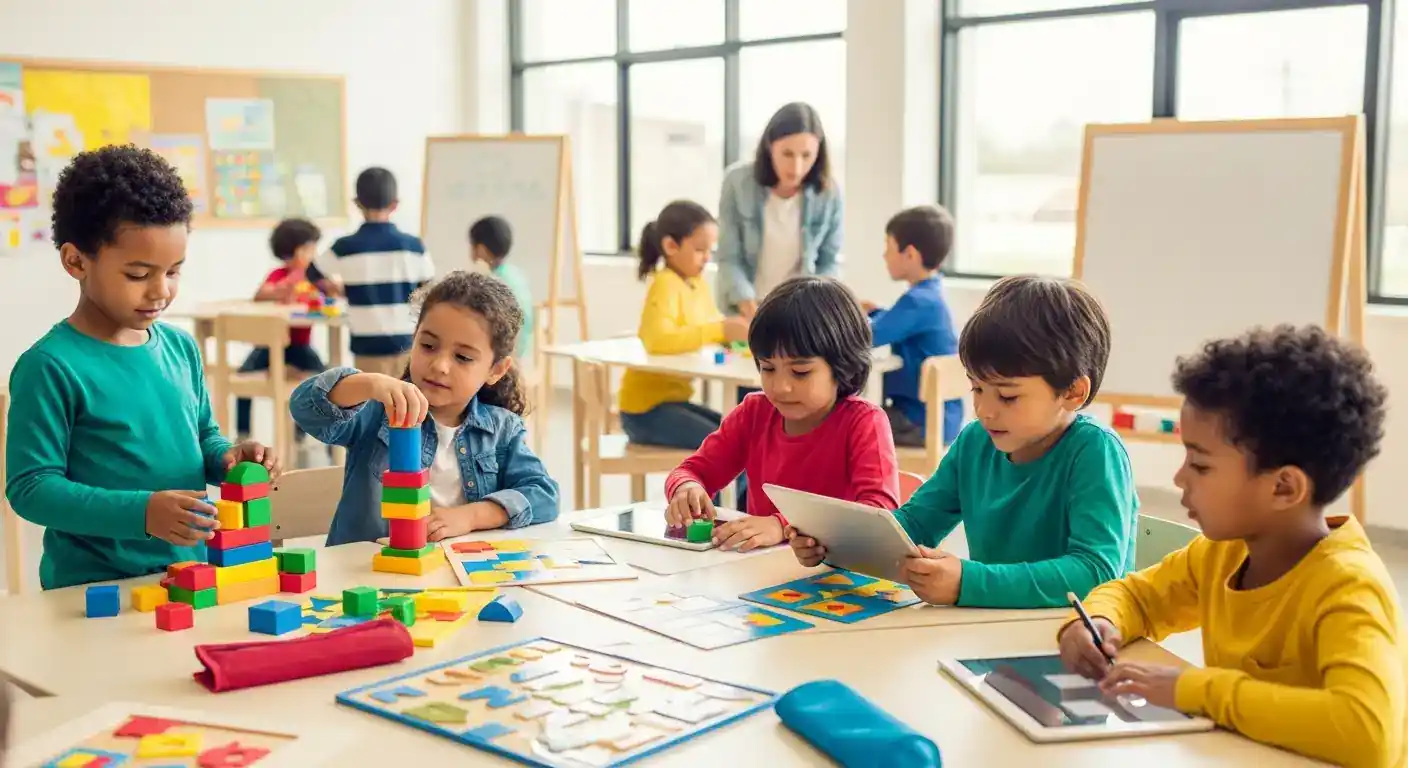
Differentiated instruction is a cornerstone of effective teaching, catering to the diverse learning needs within any classroom. It empowers educators to tailor their instruction to individual student strengths, interests, and learning styles. By implementing differentiated instruction strategies, teachers can create a more engaging and productive learning environment for all students.
Key Points:
- Personalize learning experiences.
- Address diverse learning styles.
- Boost student engagement and achievement.
- Create a more inclusive classroom.
- Utilize varied instructional materials.
Differentiated Instruction: Meeting Diverse Learning Needs
Differentiated instruction recognizes that students learn at different paces and in different ways. It moves away from a "one-size-fits-all" approach and embraces the unique needs of each learner. Effective differentiated instruction requires careful planning and ongoing assessment to ensure that every student is challenged and supported.
Implementing Differentiated Instruction: Practical Strategies
Here are some practical strategies for implementing differentiated instruction in your classroom:
Content Differentiation: Offer content through various modalities, such as text, audio, video, and hands-on activities. This caters to different learning preferences and allows students to access information in ways that resonate with them.
Process Differentiation: Provide varied activities that allow students to process information and demonstrate their understanding in different ways. Project-based learning, group work, and independent study are all examples of differentiated process.
Product Differentiation: Allow students to demonstrate their learning through diverse products, such as presentations, essays, artwork, or even digital creations. This acknowledges different strengths and allows students to showcase their understanding in creative ways.
Learning Environment Differentiation: Create a flexible and supportive learning environment that caters to different learning styles and preferences. This could include quiet areas for focused work, collaborative spaces for group projects, and access to a variety of resources.
Differentiated Instruction Examples: Real-World Applications
Case Study 1: A teacher uses tiered assignments in a math class, providing different levels of challenge based on student readiness. Some students work on basic concepts, while others tackle more complex problems. (Source: "Meeting the Needs of All Learners," Educational Leadership, 2024)
Case Study 2: In a language arts class, students choose from a menu of activities related to a novel, allowing them to explore their interests and demonstrate their understanding in ways that are meaningful to them. (Source: "Differentiated Instruction in Action," ASCD, 2023)
These examples illustrate how differentiated instruction can be applied across different subjects and grade levels.
Effective Differentiated Instruction Planning
Effective differentiated instruction planning involves ongoing assessment and flexible grouping. Regularly assess student understanding to adjust instruction and ensure that all students are making progress. Flexible grouping allows you to target instruction to specific student needs and create a more dynamic learning environment.
Differentiated Value:
- Emphasis on Flexible Grouping: This article stresses the importance of flexible grouping, a crucial aspect of differentiated instruction often overlooked. This allows for targeted instruction and dynamic learning.
- Real-World Case Studies: The inclusion of recent case studies (2023-2024) provides concrete examples and demonstrates the practical application of differentiated instruction in diverse settings.
Internal Linking Strategy:
- Link to an article about assessment strategies: "Effective Classroom Assessment Techniques" (Target: related article /articles/effective-classroom-assessment-techniques)
- Link to the Teaching Methodologies category: "Explore other Teaching Methodologies" (Target: category /categories/teaching-methods)
- Link to an article about project-based learning: "Implementing Project-Based Learning in the Classroom" (Target: related article /articles/implementing-project-based-learning-in-the-classroom)
FAQ: Differentiated Instruction
Q1: What is the primary goal of differentiated instruction?
A1: The primary goal of differentiated instruction is to address the diverse learning needs of all students within a classroom, ensuring that each student receives appropriate challenge and support.
Q2: How can I differentiate instruction for students with learning disabilities?
A2: Differentiating instruction for students with learning disabilities often involves providing accommodations, modifications, and individualized support based on their specific needs and Individualized Education Programs (IEPs).
Q3: Is differentiated instruction more time-consuming?
A3: While initial planning may take more time, differentiated instruction ultimately saves time by proactively addressing student needs and preventing learning gaps.
Q4: How can I assess the effectiveness of my differentiated instruction strategies?
A4: Regularly assess student progress through formative and summative assessments. Observe student engagement and seek feedback from students to gauge the effectiveness of your strategies.
Conclusion: Embrace Differentiated Instruction
Differentiated instruction is an essential strategy for creating a more equitable and effective learning environment. By embracing these differentiated instruction strategies and adapting them to your specific context, you can empower all students to reach their full potential. Share your experiences with differentiated instruction in the comments below! Subscribe for more teaching tips and resources. For further reading, explore the latest research on differentiated instruction from the National Center for Learning Disabilities (NCLD).
Future Expansion Topics:
- Technology Integration in Differentiated Instruction
- Differentiated Instruction for Gifted Learners
- Creating a Differentiated Classroom Culture
(This article was published on 2025-07-05. Information on educational best practices evolves rapidly. This article is intended to provide current insights but should be reviewed periodically for updates.)