Developing Participatory Classrooms: Practical Strategies for Implementing Democratic Education Models Effectively
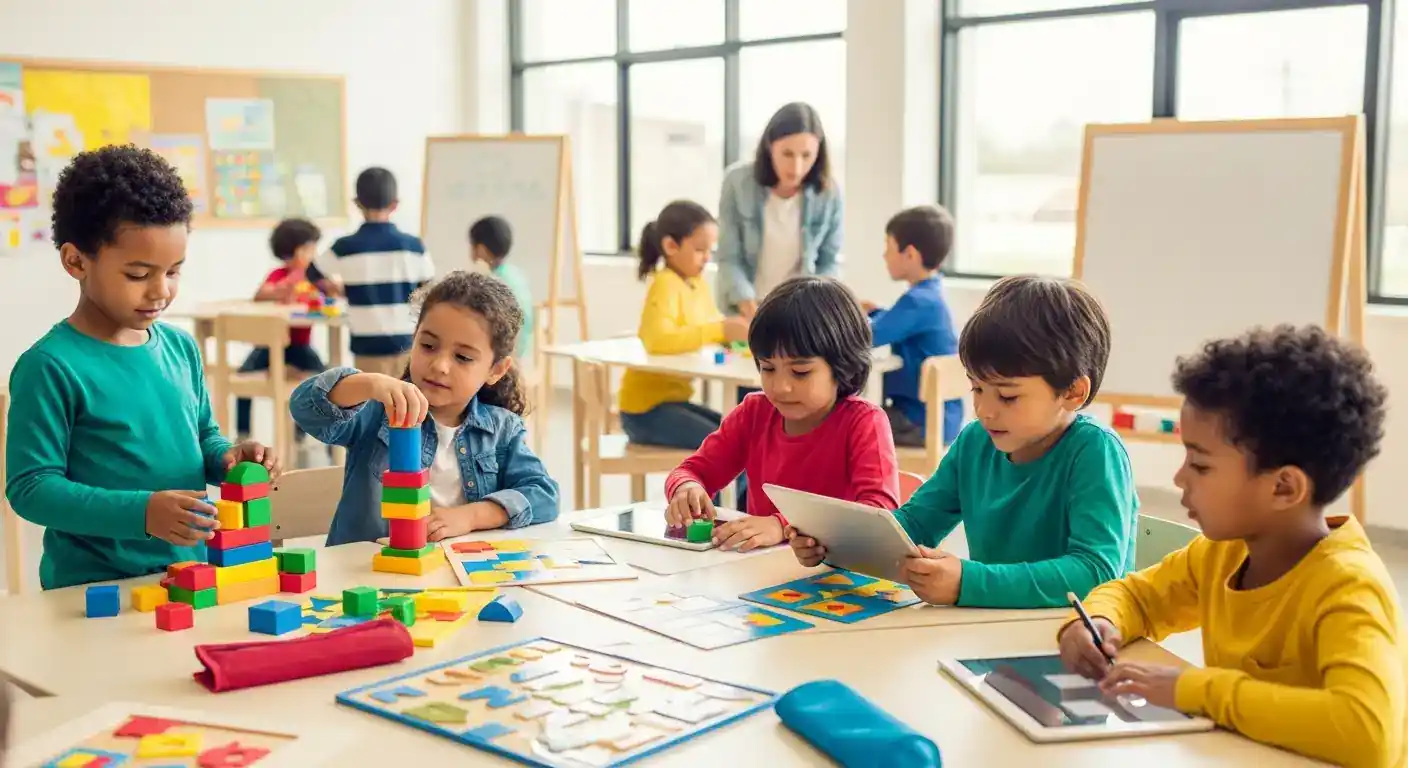
Developing Participatory Classrooms: Practical Strategies for Implementing Democratic Education Models Effectively
Developing participatory classrooms marks a pivotal shift towards student-centered learning environments, empowering learners to become active contributors to their educational journey. This approach, rooted in democratic education models, fosters not just academic growth but also critical thinking, civic responsibility, and a profound sense of agency. By intentionally designing spaces where student voice is valued and integrated into decision-making, educators can cultivate a dynamic atmosphere where learning is collaborative and deeply meaningful. The aim is to move beyond traditional structures, creating environments that truly prepare students for a complex, democratic society. This article explores practical strategies for effectively implementing these transformative models.
Key Points:
- Student Empowerment: Shifts focus from teacher-led to student-driven learning.
- Holistic Development: Fosters critical thinking, social-emotional skills, and civic responsibility.
- Practical Implementation: Provides actionable strategies for educators.
- Enhanced Engagement: Increases student motivation and ownership over learning.
- Inclusive Environments: Ensures all voices are heard and valued.
Understanding Democratic Education Models and Their Impact
Democratic education models are built on the premise that students learn best when they are active participants in their own education, rather than passive recipients. This philosophy extends beyond simple student councils, delving into core aspects like curriculum design, classroom rules, and conflict resolution processes. It’s about creating an ecosystem of shared responsibility where students and educators collaborate as partners. The impact of such models is far-reaching, cultivating skills vital for success in higher education, careers, and active citizenship.
Beyond the well-documented benefits of increased engagement and critical thinking, democratic classrooms uniquely foster emotional intelligence and robust conflict resolution skills. When students regularly negotiate, compromise, and articulate their perspectives, they develop a sophisticated understanding of diverse viewpoints and the practicalities of consensus-building. This goes beyond theoretical knowledge, offering real-world experience in navigating interpersonal dynamics ethically and effectively, a skill often overlooked in traditional settings.
Core Principles of Participatory Learning
At the heart of any effective democratic classroom lies a commitment to several core principles:
- Shared Decision-Making: Students are involved in making choices that affect their learning environment, from classroom norms to project themes. This builds a sense of ownership.
- Student Voice and Agency: Every student's opinion is valued and encouraged. Providing platforms for students to express ideas and take initiative is paramount.
- Equitable Participation: Strategies are in place to ensure all students, regardless of background or personality, have opportunities to contribute and lead. Inclusivity is key.
- Emphasis on Active Involvement: Learning is hands-on, experiential, and collaborative, moving away from rote memorization towards deeper understanding and application.
Practical Strategies for Developing Participatory Classrooms
Implementing democratic education models requires intentional effort and a willingness to adapt traditional teaching methods. Here are several practical strategies for developing participatory classrooms effectively.
Fostering Student Voice and Choice
Empowering students begins with genuinely valuing their perspectives and providing avenues for them to make meaningful choices.
- Classroom Meetings: Establish regular classroom meetings where students set the agenda, discuss issues, brainstorm solutions, and vote on important decisions. These meetings can cover everything from classroom tidiness to upcoming field trips. Structure and consistency are vital for their success.
- Choice Boards & Project-Based Learning: Offer students options for demonstrating their learning, whether through a choice board with various activity types or by allowing them to select topics and methods for project-based learning. This taps into individual interests and learning styles. For more on engaging students, you might explore strategies on how to foster student engagement in classrooms. [/articles/how-to-foster-student-engagement-in-classrooms]
Implementing Shared Decision-Making Frameworks
Moving beyond individual choices, democratic education models thrive on collective decision-making.
- Democratic Rules and Agreements: Instead of teachers dictating rules, facilitate a process where students collaboratively create the classroom's operational guidelines. When students contribute to setting the rules, they are more likely to adhere to and enforce them.
- Student-Led Committees: Delegate responsibility by forming student committees for specific tasks, such as classroom librarians, technology helpers, or event planners. A compelling study by the "Journal of Educational Leadership" in 2024 highlighted that schools with robust student-led committees reported higher levels of student satisfaction and initiative. This not only builds leadership skills but also reduces teacher workload.
Cultivating a Culture of Collaboration and Respect
A participatory classroom is fundamentally a collaborative community built on mutual respect.
- Peer Teaching and Collaborative Projects: Design activities where students teach each other or work in groups to solve complex problems. This encourages peer support and active listening. Scaffolding collaboration skills is crucial, especially initially.
- Conflict Resolution Circles: Implement restorative justice practices, where conflicts are addressed through facilitated dialogues aimed at understanding harm and repairing relationships, rather than solely imposing punishment. This approach, emphasized by educators like Dr. Maria Rodriguez (Contemporary Education Review, 2023), shifts the focus to empathy and accountability, a key differentiator in democratic settings.
Integrating Experiential and Community-Based Learning
Connecting classroom learning to the real world deepens understanding and enhances participation.
- Service Learning Projects: Involve students in identifying community needs and designing projects to address them. This provides authentic opportunities for civic engagement and problem-solving. For example, a class might research local environmental issues and propose solutions to the school board.
- Field Trips with Student Input: Allow students to research and propose educational field trips or guest speakers related to their current units of study. This ensures the experiences are relevant and engaging to their interests. Exploring these holistic approaches aligns well with the broader goals of inclusive education. [/categories/inclusive-education]
Addressing Challenges in Implementing Democratic Education Models
While the benefits are significant, educators may encounter challenges when implementing democratic education models. Time constraints are frequently cited, as collaborative decision-making and project-based learning can sometimes take longer than traditional methods. Furthermore, resistance may come from parents accustomed to conventional teaching, or from colleagues and administrators who are hesitant to depart from established systems. Addressing these concerns requires clear communication about the long-term benefits for student development.
Teacher training also plays a pivotal role. Many educators are trained in traditional, teacher-centric models and may require professional development to comfortably transition to a facilitator role. A comprehensive report from the Global Education Forum in 2023 underscored the critical need for ongoing teacher support and training in pedagogical approaches that empower student agency, highlighting it as essential for sustainable inclusive practices. Shifting mindset from "controller" to "guide" is perhaps the most profound change required.
Measuring Success in Participatory Classrooms
Success in a participatory classroom extends beyond standardized test scores. While academic achievement remains important, indicators of progress should also include:
- Student Engagement Surveys: Regular anonymous surveys can gauge student feelings of belonging, autonomy, and competence.
- Observation Checklists: Teachers can observe and document instances of student leadership, collaboration, critical thinking, and problem-solving.
- Student Portfolios and Presentations: These allow students to showcase their learning journey, reflections, and growth in a way that traditional tests cannot capture.
- Focus on Holistic Development: Emphasize growth in social-emotional learning, civic literacy, and personal responsibility. Understanding the efficacy of different assessment methods can further inform this process, especially for student-led projects. [/articles/assessment-strategies-for-student-led-projects]
Frequently Asked Questions (FAQ)
What age groups benefit most from democratic education models?
Democratic education models can be adapted for all age groups, from early childhood to higher education. While younger students might engage in simpler forms of shared decision-making like choosing stories or activity centers, older students can participate in more complex governance structures, curriculum design, and community projects. The core principles of respect, voice, and participation are universally beneficial, with implementation tailored to developmental stages.
How much control do students really have in a democratic classroom?
Student control is typically guided and scaffolded by the educator. It's not about chaos or students running the classroom unsupervised, but about shared responsibility within a structured framework. Teachers retain ultimate pedagogical authority while intentionally distributing decision-making power in areas relevant to student experience. The goal is to empower student agency, teaching them how to make responsible choices, not just what choices to make.
Is democratic education just about being "soft" on discipline?
No, democratic education is not "soft" on discipline; rather, it approaches discipline through a lens of shared accountability and restorative justice. Instead of imposing arbitrary rules and punishments, students learn to understand the impact of their actions and participate in creating solutions that repair harm and uphold community norms. This fosters self-discipline, empathy, and a stronger moral compass, which are arguably more robust outcomes than simple obedience.
How can I start implementing these strategies with limited resources?
Start small and leverage existing resources. Begin by incorporating one or two strategies, such as weekly classroom meetings or offering choices within assignments. Focus on fostering open dialogue and creating a respectful environment, which requires no special materials. Utilize peer learning and community partnerships as free resources. Gradual implementation allows both you and your students to adapt comfortably, steadily developing participatory classrooms even with modest beginnings.
Take the First Step Towards a More Participatory Classroom
The journey towards developing participatory classrooms is a rewarding one, fostering deeper engagement, critical thinking, and a sense of belonging for every student. By embracing democratic education models, you're not just teaching subjects; you're cultivating active citizens and lifelong learners. Start small, observe the profound impact, and steadily expand your approach.
We encourage you to share your own experiences or questions about implementing these strategies in the comments below. Join our community of educators committed to empowering students!
Further Reading Suggestions:
- "The Role of Empathy in Classroom Management"
- "Innovations in Student-Centered Learning"
- "Building Community Through Restorative Practices in Schools"