Cultivating Holistic Development: The Proven Impact of SEL Frameworks on Student Well-being and Academic Success
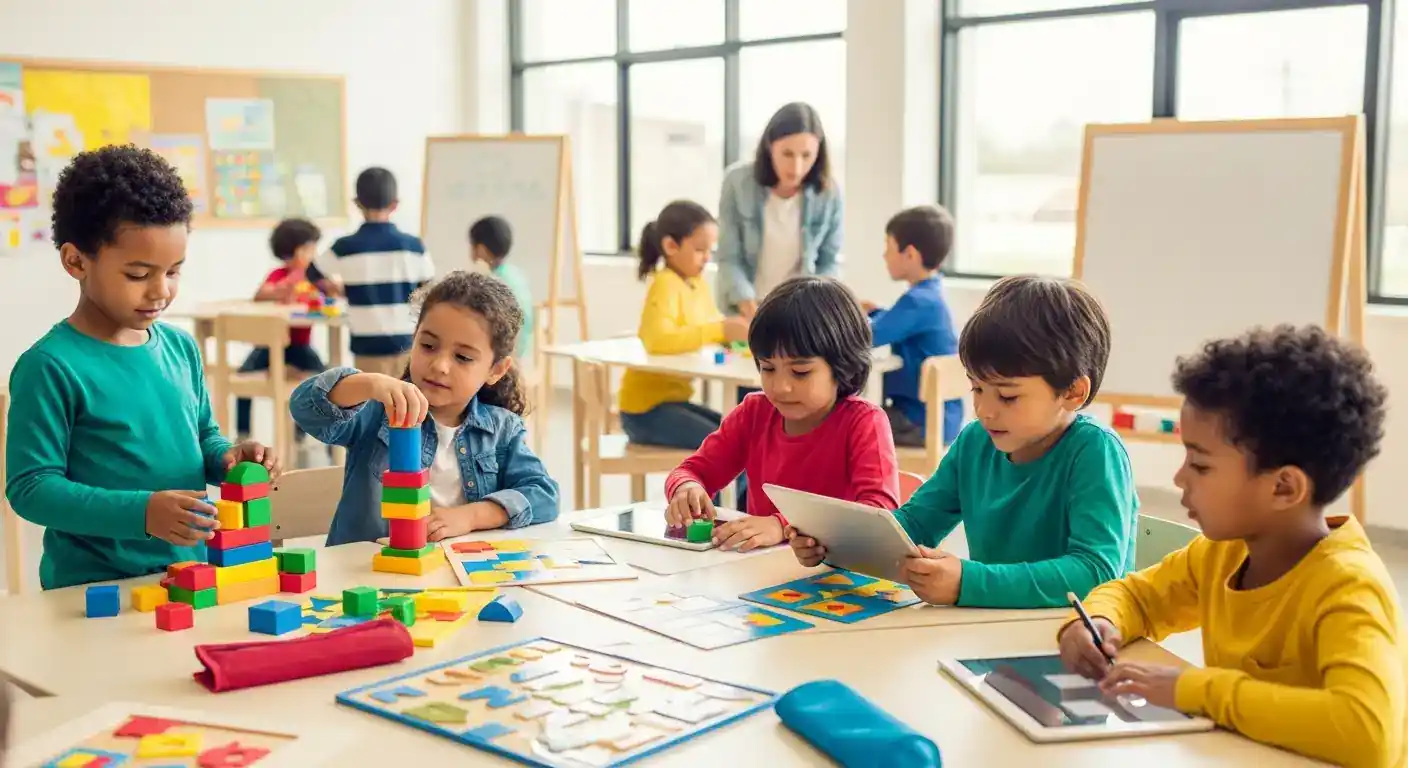
Cultivating Holistic Development: The Proven Impact of SEL Frameworks on Student Well-being and Academic Success
In today's dynamic educational landscape, focusing solely on academic achievement is no longer sufficient. Schools are increasingly recognizing the critical need to foster holistic student development, equipping learners with essential life skills alongside traditional knowledge. This is where SEL frameworks, or Social-Emotional Learning frameworks, come into play. They provide a structured approach to teaching crucial competencies like self-awareness, self-management, social awareness, relationship skills, and responsible decision-making. By integrating SEL into the curriculum, educators can profoundly impact student well-being and academic success, creating a more supportive and engaging learning environment. The evidence is clear: SEL is not just a beneficial addition; it's a foundational element for thriving students and schools.
Key Points:
- Holistic Approach: SEL addresses emotional, social, and cognitive growth, moving beyond just academics.
- Proven Benefits: Research consistently links SEL to improved mental health, reduced behavioral issues, and higher academic performance.
- Essential Skills: Students develop crucial competencies like empathy, resilience, and effective communication.
- Systemic Change: Successful SEL implementation requires school-wide commitment, from curriculum to staff training.
- Measurable Outcomes: Effective SEL frameworks include strategies for assessing student growth in social-emotional areas.
Understanding Social-Emotional Learning (SEL) Frameworks
Social-Emotional Learning (SEL) is the process through which children and adults acquire and effectively apply the knowledge, attitudes, and skills necessary to understand and manage emotions, set and achieve positive goals, feel and show empathy for others, establish and maintain positive relationships, and make responsible decisions. Leading organizations, such as the Collaborative for Academic, Social, and Emotional Learning (CASEL), have developed robust SEL frameworks that serve as blueprints for schools and districts. These frameworks typically outline five core competencies:
- Self-Awareness: The ability to accurately recognize one's own emotions, thoughts, and values and how they influence behavior. This includes assessing one's strengths and limitations with a well-grounded sense of confidence and optimism.
- Self-Management: The ability to successfully regulate one's emotions, thoughts, and behaviors in different situations. This involves managing stress, controlling impulses, motivating oneself, and working towards personal and academic goals.
- Social Awareness: The ability to take the perspective of and empathize with others, including those from diverse backgrounds and cultures. It also involves understanding social and ethical norms for behavior and recognizing family, school, and community resources and supports.
- Relationship Skills: The ability to establish and maintain healthy and rewarding relationships with diverse individuals and groups. This includes communicating clearly, listening actively, cooperating, resisting inappropriate social pressure, negotiating conflict constructively, and seeking and offering help when needed.
- Responsible Decision-Making: The ability to make constructive choices about personal behavior and social interactions across diverse situations. This involves considering ethical standards, safety concerns, social norms, the realistic evaluation of consequences of various actions, and the well-being of self and others.
Integrating these competencies into daily learning experiences is central to cultivating holistic development in students.
The Evidence Base: SEL's Proven Impact on Student Well-being
The empirical data supporting the benefits of SEL on student well-being is compelling. Studies consistently show that well-implemented SEL frameworks lead to significant improvements in mental health and emotional regulation. For instance, a meta-analysis by CASEL in 2024, summarizing over 300 studies, indicated that students participating in SEL programs demonstrated an 11-percentile-point gain in academic achievement compared to their non-SEL peers. More critically, these students showed fewer conduct problems, less emotional distress, and improved attitudes about self, others, and school.
Furthermore, social-emotional learning fosters greater student resilience. When faced with challenges, students equipped with strong self-management and problem-solving skills are better able to cope, adapt, and bounce back from adversity. This is particularly vital in an increasingly complex world, where young people face heightened stress and pressure. Promoting emotional intelligence from an early age helps build a protective shield against future mental health issues. A UNESCO report from 2025 highlighted how global SEL initiatives are crucial for developing responsible global citizens, emphasizing the link between social awareness and peaceful societies.
Boosting Academic Success Through SEL Strategies
The connection between SEL frameworks and academic success is often underestimated. While it might seem counterintuitive to dedicate classroom time to emotional skills rather than direct academic content, research proves it's a highly effective strategy. When students feel safe, understood, and capable of managing their emotions, they are far more receptive to learning. Emotional intelligence directly impacts cognitive functions essential for academics:
- Improved Focus and Attention: Students who can regulate their emotions are less distracted by internal anxieties or external stressors, allowing them to concentrate better on tasks.
- Enhanced Problem-Solving Skills: Responsible decision-making, a core SEL competency, directly translates to better analytical and critical thinking abilities in academic subjects.
- Increased Motivation and Engagement: A positive classroom climate, cultivated through SEL, makes learning more enjoyable and fosters intrinsic motivation. Students with strong self-awareness and self-management are better at setting and pursuing academic goals.
- Better Relationship Skills: Collaborative learning, group projects, and seeking help from teachers or peers all rely heavily on effective relationship skills.
A longitudinal study published in the Journal of Educational Psychology in late 2023 further solidified these findings, showing that the positive effects of robust SEL implementation can last for years, impacting college readiness and career success. These findings underscore that investing in SEL is an investment in students' complete potential, not just a segment of it.
Implementing Effective SEL Strategies in Schools
Successful implementation of SEL frameworks requires a comprehensive, systemic approach. It's not a standalone program but rather a cultural shift that permeates all aspects of school life. Key strategies include:
- Curriculum Integration: Weaving SEL competencies directly into academic subjects, rather than treating them as separate lessons. For example, discussing character motivations in literature (social awareness) or collaborating on a science project (relationship skills).
- Teacher Training and Support: Educators need robust professional development to understand SEL principles, model SEL competencies themselves, and learn practical strategies for integrating SEL into their teaching. The importance of adult SEL cannot be overstated; well-being teachers are critical for student well-being.
- Positive School Climate: Creating an environment where all students feel safe, valued, and respected. This involves clear expectations, consistent routines, restorative justice practices, and opportunities for student voice. This contributes significantly to student well-being.
- Family and Community Engagement: Involving parents and community partners in SEL initiatives to reinforce learning outside of school. This ensures a consistent message and support system for students.
A school committed to cultivating holistic development must view SEL as a core component of its mission, not an add-on. For more insights on building supportive learning environments, consider exploring strategies for effective classroom management.
Measuring Progress: Assessing SEL Outcomes
One of the most crucial, yet often challenging, aspects of implementing SEL frameworks is effectively assessing their impact. Traditional academic assessments don't fully capture growth in social-emotional skills. Therefore, differentiated assessment strategies are vital.
- Formative Assessments: These ongoing checks for understanding help teachers gauge student progress and adjust instruction. Examples include:
- Self-Reflection Journals: Students reflect on their emotional responses to situations, goal-setting, or conflict resolution.
- Observation Checklists: Teachers systematically observe students' social interactions, collaboration skills, and self-regulation in various contexts.
- Student Portfolios: Collections of work (e.g., group project reflections, empathy essays, problem-solving scenarios) that demonstrate growth in specific SEL competencies.
- Summative Assessments: Used to evaluate overall learning at the end of a unit or period. While less common for SEL, these can include:
- Scenario-Based Tasks: Students respond to hypothetical social-emotional challenges, demonstrating their decision-making and relationship skills.
- Validated SEL Surveys: Age-appropriate questionnaires that measure student perceptions of their own social-emotional competencies. It's crucial to select tools that are culturally responsive and psychometrically sound to ensure valid and reliable data.
The goal is not to "grade" SEL, but to understand student growth, identify areas for support, and inform instruction. This iterative process is central to ensuring that SEL initiatives genuinely contribute to student well-being and long-term success. For broader strategies on evaluating student progress, explore innovative approaches to measuring learning outcomes.
Overcoming Challenges and Future Trends in SEL
While the benefits of SEL frameworks are clear, implementation is not without its challenges. Common hurdles include limited teacher training, insufficient resources, and the perception that SEL detracts from academic time. However, forward-thinking educational leaders are finding ways to integrate SEL seamlessly.
A significant emerging trend is the explicit focus on adult SEL. Recognizing that educators cannot effectively teach what they do not embody, schools are increasingly providing professional development focused on teacher well-being, mindfulness, and emotional regulation. This creates a positive ripple effect, enhancing classroom climate and improving student-teacher relationships. Another trend involves leveraging technology for SEL. While direct human interaction remains paramount, digital tools can offer personalized learning paths for SEL, track student progress, and provide resources for educators, helping to reinforce the ongoing efforts in cultivating holistic development.
FAQ Section
Q1: What is the primary difference between traditional education and an SEL-integrated approach? A: Traditional education often focuses primarily on cognitive learning and academic content. An SEL-integrated approach, however, expands this focus to include the development of social-emotional skills alongside academics. This holistic view recognizes that emotional intelligence, self-management, and relationship skills are foundational for both academic achievement and overall life success, directly impacting student well-being.
Q2: How do SEL frameworks specifically contribute to academic performance? A: SEL frameworks boost academic performance by improving several key areas. Students develop better focus and attention through emotional regulation, enhance problem-solving via responsible decision-making, and increase motivation and engagement within a positive classroom climate. These foundational skills create an optimal learning environment, allowing students to absorb and apply academic content more effectively.
Q3: Can SEL frameworks be effectively implemented in all grade levels? A: Yes, SEL frameworks are highly adaptable and beneficial across all grade levels, from pre-kindergarten to high school. The core competencies remain the same, but the strategies and activities are tailored to be age-appropriate. Younger students might learn through play and simple discussions, while older students engage in more complex reflection, peer mediation, and community-based projects.
Q4: What resources are available for schools looking to implement SEL frameworks? A: Numerous resources exist for schools embarking on SEL implementation. Organizations like CASEL provide comprehensive guides, research, and program reviews. Many educational consulting groups offer professional development and curriculum materials. Additionally, state and district education departments often provide local resources, funding opportunities, and support networks to help schools integrate SEL effectively.
Cultivating a Future of Well-being and Success
The evidence is overwhelming: SEL frameworks are not merely beneficial; they are essential for cultivating holistic development in students. By prioritizing student well-being and the acquisition of critical social-emotional skills, schools are not only improving academic outcomes but also preparing young people for fulfilling lives as engaged, empathetic, and resilient individuals. Investing in SEL is an investment in a brighter future for every child and our society as a whole.
Are you ready to transform your school's approach to education? Share your thoughts or experiences with SEL in the comments below! Explore our other articles for more strategies on creating supportive learning environments and effective assessment methods. For deeper understanding of relevant topics, browse our Assessment Strategies category.
Extended Reading Suggestions:
- Strategies for building a positive school culture.
- The role of mindfulness in student and teacher well-being.
- How to integrate restorative practices with SEL.