Critical Pedagogy: Empowering Students Through Social Justice Education
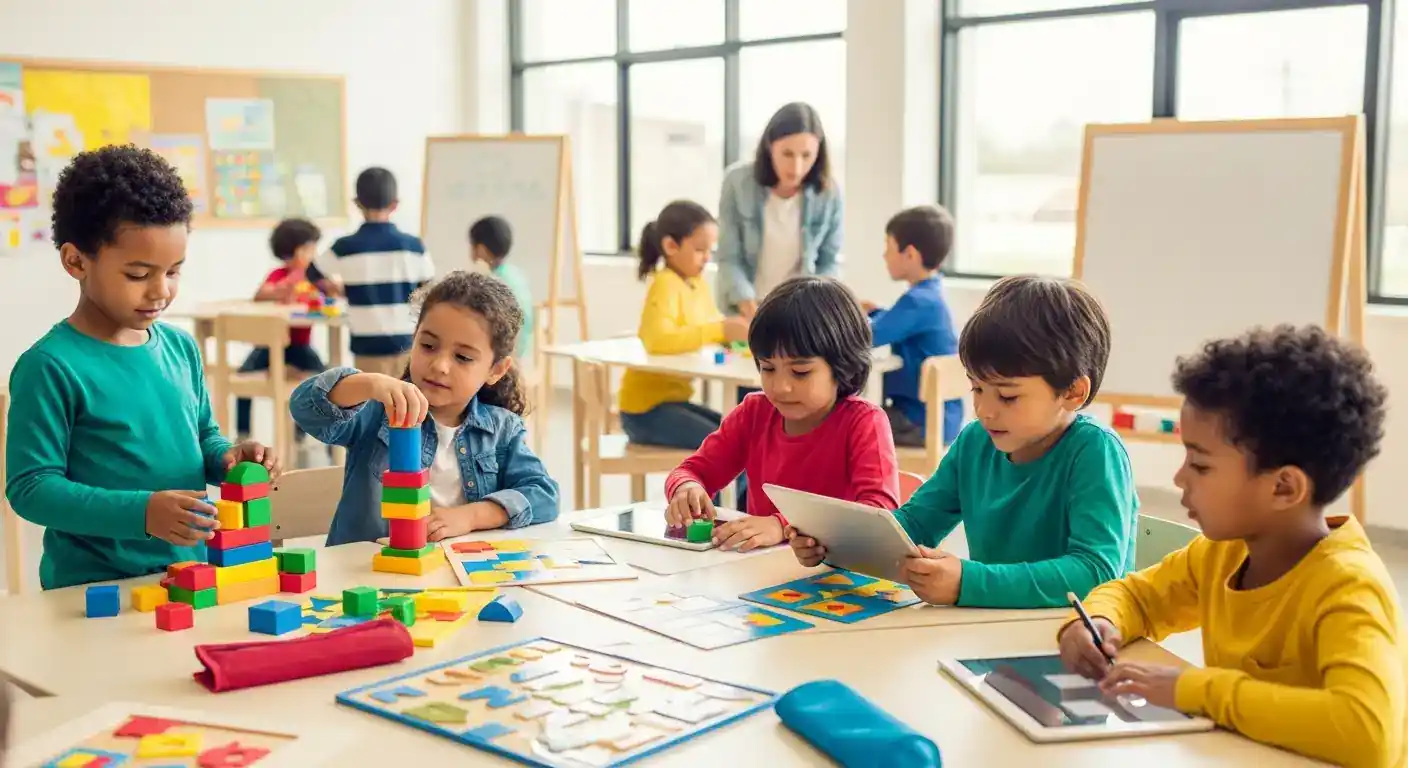
Critical Pedagogy: Empowering Students Through Social Justice Education
Critical pedagogy is more than just a teaching method; it's a transformative educational philosophy that aims to empower students by fostering critical consciousness and promoting social justice. At its core, this approach challenges traditional power dynamics in the classroom, inviting students to question, analyze, and ultimately transform their world. By engaging with real-world issues and encouraging dialogue, critical pedagogy cultivates active, engaged citizens prepared to advocate for equity and change. It moves beyond rote memorization, emphasizing deep understanding and the application of knowledge to address societal inequalities. This framework is essential for developing students who are not only academically proficient but also socially responsible and critically aware.
Key Points:
- Empowerment: Students become active agents in their learning and social change.
- Social Justice Focus: Education directly addresses and challenges systemic inequalities.
- Critical Thinking: Fosters deep analysis of power structures and societal norms.
- Dialogue & Praxis: Emphasizes collaborative learning and reflective action.
- Transformative Learning: Aims for profound personal and societal transformation.
Understanding Critical Pedagogy and Its Core Principles
Critical pedagogy, rooted in the works of Paulo Freire, advocates for an educational system that liberates rather than domesticates. It challenges the "banking concept" of education, where teachers deposit knowledge into passive students. Instead, it promotes a problem-posing approach, where students and teachers co-investigate real-world problems. This collaborative process encourages students to develop a critical consciousness – the ability to perceive social, political, and economic contradictions and to take action against oppressive elements of society. The ultimate goal is emancipation, enabling individuals to shape their own lives and contribute to a more just world.
Key Principles of Critical Pedagogy:
- Conscientization: This refers to the process of developing a critical awareness of one's social reality. It involves recognizing the political and economic forces that shape society.
- Dialogue: Learning is a reciprocal process, built on open communication and mutual respect between students and teachers. This fosters a shared understanding and collective problem-solving.
- Praxis: The dynamic interplay between reflection and action. Students are encouraged to not only think critically about issues but also to act on their insights to create change.
- De-centering Authority: Teachers act as facilitators and co-learners, rather than sole authorities. This shifts power dynamics, giving students greater agency in their educational journey.
- Relevance: Curriculum is connected to students' lived experiences and societal issues, making learning meaningful and impactful.
How Critical Pedagogy Empowers Students for Social Justice
The empowerment derived from critical pedagogy is multifaceted, extending beyond academic achievement to personal and civic development. When students are encouraged to question narratives, analyze power structures, and articulate their own perspectives, they gain a profound sense of agency. This approach helps them understand that their voices matter and that they have the capacity to influence their environment. For more insights into fostering student agency, readers can explore related articles on learner-centered approaches.
Cultivating Student Agency and Voice
- Active Participation: Students are not passive recipients but active constructors of knowledge. This involvement builds confidence and a sense of ownership over their learning.
- Challenging Assumptions: By critically examining dominant narratives, students learn to identify biases and develop independent thought. This intellectual courage is vital for social justice advocacy.
- Problem-Solving Skills: Engaging with complex social issues hones students' abilities to analyze problems, propose solutions, and collaborate effectively. These are invaluable skills for future civic engagement.
- Empathy and Perspective-Taking: Exploring diverse viewpoints and experiences helps students develop empathy, a crucial component for understanding and addressing social inequalities.
A 2024 study published in the Journal of Transformative Education highlighted that students engaged in critical pedagogical frameworks demonstrated significantly higher levels of civic engagement and a stronger commitment to social justice initiatives compared to their peers in traditional settings. This research underscores the tangible impact of this educational philosophy.
Implementing Critical Pedagogy in Diverse Classrooms
Integrating critical pedagogy requires a shift in mindset and practice for educators. It's not about abandoning curriculum but about re-framing how content is presented and engaged with. This often involves designing projects that connect classroom learning to community issues or facilitating discussions that encourage students to analyze current events through a social justice lens.
Strategies for Effective Implementation:
- Curriculum Design:
- Problem-Based Learning: Structure lessons around real-world problems that require critical investigation and collaborative solutions.
- Interdisciplinary Connections: Link subjects to explore complex social issues from multiple angles, such as history, literature, and science.
- Culturally Responsive Teaching: Incorporate diverse perspectives and experiences into the curriculum, validating students' cultural backgrounds.
- Classroom Practices:
*   **Socratic Seminars:** Facilitate open-ended discussions where students lead the inquiry and challenge each other's ideas respectfully.
*   **Community Engagement Projects:** Encourage students to research local issues and develop action plans, fostering *praxis*.
*   **Reflective Journaling:** Provide opportunities for students to process their learning, connect it to their personal experiences, and reflect on their role in social change.
- Teacher as Facilitator:
- Active Listening: Truly hear and value students' perspectives, even when they differ from your own.
- Questioning Techniques: Use open-ended questions that provoke deeper thought and critical analysis, rather than seeking single "correct" answers.
- Building Trust: Create a safe and inclusive classroom environment where students feel comfortable taking risks and expressing dissenting opinions.
Research from the International Review of Critical Pedagogy in late 2023 indicated that professional development focused on dialogic teaching practices significantly improved educators' confidence and effectiveness in implementing critical pedagogy, particularly in urban school districts.
Benefits of Critical Pedagogy for Student Development
The long-term benefits of critical pedagogy extend far beyond the classroom, preparing students for active citizenship and lifelong learning. Students who experience this approach develop a robust set of skills and dispositions that are highly valued in a complex, interconnected world.
Holistic Student Development:
- Enhanced Critical Thinking: Students learn to dissect information, identify biases, and form well-reasoned arguments, essential for navigating misinformation.
- Improved Communication Skills: Through dialogue and debate, students refine their ability to articulate ideas, listen actively, and engage in constructive discourse.
- Increased Civic Engagement: Understanding societal issues and their own capacity for action motivates students to participate in democratic processes and community advocacy.
- Stronger Sense of Identity and Purpose: By connecting learning to their lived experiences and social responsibility, students develop a clearer sense of who they are and their role in the world.
- Resilience and Adaptability: Grappling with complex, often uncomfortable, social issues builds students' capacity to navigate ambiguity and advocate for change in challenging circumstances.
One unique insight is the growing recognition of critical pedagogy's role in fostering digital citizenship. In an age of pervasive online information and social media, the ability to critically evaluate sources, understand algorithmic biases, and engage ethically in digital spaces is paramount. Critical pedagogy equips students with the analytical tools to navigate this digital landscape responsibly, transforming them from passive consumers to active, discerning participants. This focus on digital literacy as a component of social justice education offers a differentiated value from many traditional approaches.
Addressing Challenges and Future Directions in Critical Pedagogy
While the benefits are clear, implementing critical pedagogy is not without its challenges. Educators may face resistance from traditional systems, time constraints, or a lack of resources. It requires ongoing professional development and a supportive school culture. However, the evolving landscape of education, particularly with advancements in educational technology, presents new opportunities.
A key challenge often overlooked is the emotional labor involved for both students and teachers when confronting difficult social justice issues. Creating a truly safe space for vulnerability and honest dialogue requires significant skill and empathy from the educator. Future directions in critical pedagogy could explore more deeply the psychological support structures needed within these learning environments. For more on creating supportive learning environments, readers can explore resources on trauma-informed teaching practices.
Overcoming Obstacles:
- Professional Development: Investing in training that equips educators with the philosophical understanding and practical strategies for critical pedagogy.
- Curriculum Flexibility: Advocating for educational policies that allow for more adaptable and responsive curriculum design.
- Community Partnerships: Building bridges with local organizations to provide authentic learning experiences and support student action.
Frequently Asked Questions (FAQ)
What is the primary goal of critical pedagogy?
The primary goal of critical pedagogy is to empower students to become critically conscious individuals who can analyze and challenge oppressive structures in society. It aims to move beyond traditional education by fostering a deep understanding of social justice issues and encouraging students to take action to create a more equitable world. This approach prioritizes liberation and transformation over mere knowledge acquisition.
How does critical pedagogy differ from traditional teaching methods?
Critical pedagogy fundamentally differs from traditional teaching by shifting the power dynamic from teacher-centered to student-centered. Traditional methods often involve rote memorization and passive reception of information, whereas critical pedagogy emphasizes dialogue, critical questioning, and the co-creation of knowledge. It focuses on connecting learning to real-world social issues, promoting active engagement and social action.
Can critical pedagogy be applied in all subject areas?
Yes, critical pedagogy can be effectively applied across all subject areas, not just humanities or social sciences. In mathematics, for instance, students can analyze statistics related to economic inequality. In science, they can explore environmental justice issues. The key is to frame the subject matter through a critical lens, encouraging students to question