Assessing the Effectiveness of Various Pedagogical Approaches in Education
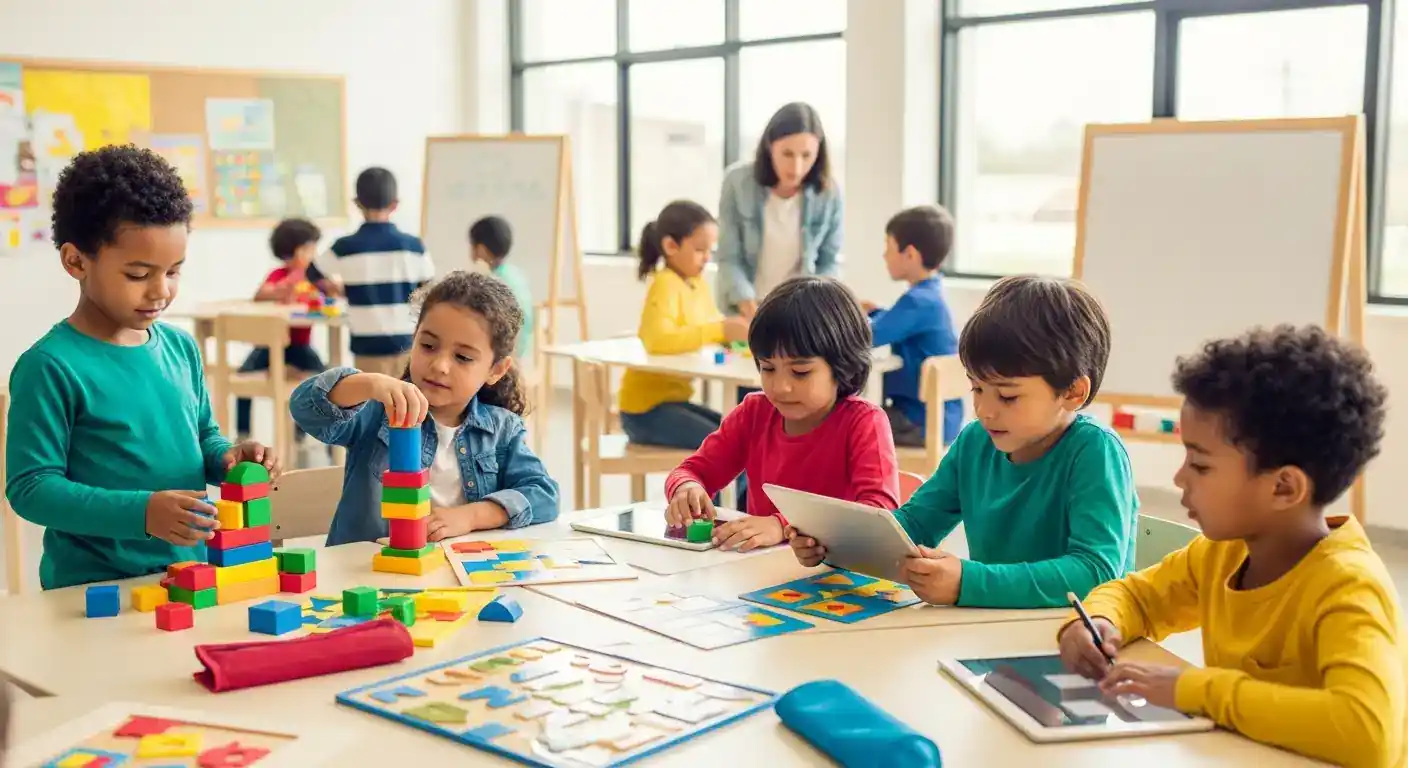
Key Points:
- Effective pedagogical approaches are crucial for inclusive education.
- Assessment helps determine the impact of teaching strategies.
- Data-driven insights inform pedagogical improvements.
- Student engagement and learning outcomes are key indicators.
- Differentiated instruction caters to diverse learning needs.
Evaluating the effectiveness of various pedagogical approaches is essential for creating a dynamic and inclusive learning environment. By understanding what works and what doesn't, educators can refine their teaching strategies to maximize student learning outcomes. This article delves into the process of assessing pedagogical approaches, focusing on practical strategies and real-world examples.
Assessing Pedagogical Approaches in Inclusive Classrooms
Effective pedagogical approaches cater to diverse learning styles and needs. Differentiated instruction, project-based learning, and inquiry-based learning are some examples of approaches currently being implemented and assessed for effectiveness. Analyzing student performance data, such as test scores and classroom participation, provides valuable insights into the efficacy of these methods. This data-driven approach allows educators to adapt their teaching and personalize learning experiences.
Measuring the Impact of Pedagogical Approaches on Student Learning
One key aspect of assessing pedagogical approaches is measuring their impact on student learning. This can be achieved through various assessment methods, including formative and summative assessments. Formative assessments, like quizzes and class discussions, offer ongoing feedback, while summative assessments, such as final exams, evaluate overall learning. Observing student engagement and motivation levels also provides valuable qualitative data.
Pedagogical Approaches and Inclusive Education: Best Practices
- Universal Design for Learning (UDL): Provides multiple means of representation, action and expression, and engagement. This framework helps cater to diverse learning needs and ensures accessibility for all students.
- Culturally Responsive Teaching: Acknowledges and incorporates students' cultural backgrounds into the learning process. This approach fosters a sense of belonging and enhances student engagement.
- Collaborative Learning: Encourages students to work together, share ideas, and learn from one another. Peer-to-peer learning can be particularly effective in inclusive classrooms.
Effective Pedagogical Approaches: Real-World Examples
A recent study published in the Journal of Educational Psychology (2024) demonstrated the positive impact of project-based learning on student engagement and knowledge retention. The study involved a group of diverse learners and showed that students who participated in project-based learning activities performed significantly better on assessments compared to those who received traditional instruction. Another example is the increasing use of technology in the classroom. Interactive simulations and educational games offer engaging and personalized learning experiences, as highlighted in "The Future of Education" report (2023). These examples showcase the importance of embracing innovative pedagogical approaches to enhance student learning.
Choosing the Right Pedagogical Approaches for Your Students
Selecting the right pedagogical approaches is crucial for achieving desired learning outcomes. Factors to consider include student demographics, learning objectives, and available resources. Regularly evaluating the effectiveness of chosen approaches is essential for ongoing improvement. Using data to inform pedagogical decisions allows educators to create a more effective and inclusive learning environment.
Differentiated Instruction: A Deeper Dive
Differentiated instruction is a key component of inclusive education. It involves tailoring instruction to meet the individual needs of each student. This can be achieved through various strategies, such as flexible grouping, tiered assignments, and personalized learning plans. A 2025 study in the Educational Research Review showcased the effectiveness of differentiated instruction in improving student achievement across diverse learning profiles. This approach is rapidly gaining traction as a powerful tool for inclusive education, moving beyond traditional one-size-fits-all models.
Incorporating Technology to Enhance Pedagogical Approaches
Technology plays an increasingly important role in modern education. Interactive whiteboards, educational apps, and online learning platforms offer innovative ways to engage students and enhance learning. The effective integration of technology can transform pedagogical approaches and create more dynamic and personalized learning experiences, as evidenced by the growing body of research on educational technology.
Internal Link Suggestions:
- Anchor Text: differentiated instruction; Target Page: /articles/differentiated-instruction-in-inclusive-classrooms; Page Type: related article
- Anchor Text: inclusive education; Target Page: /categories/inclusive-education; Page Type: category
- Anchor Text: project-based learning; Target Page: /articles/benefits-of-project-based-learning; Page Type: related article
FAQ Section:
Q: What are some common pedagogical approaches used in inclusive education?
- A: Common approaches include differentiated instruction, universal design for learning (UDL), project-based learning, and inquiry-based learning. These methods focus on catering to diverse learning needs and promoting student engagement.
Q: How can technology be used to enhance pedagogical approaches?
- A: Technology can provide interactive simulations, educational games, and online learning platforms. These tools offer personalized learning experiences and enhance student engagement in the classroom.
Q: Why is it important to assess the effectiveness of pedagogical approaches?
- A: Assessing effectiveness helps educators understand what works and what doesn't. Data-driven insights allow for continuous improvement and refinement of teaching strategies to maximize student learning outcomes.
Q: How often should pedagogical approaches be evaluated?
- A: Ongoing evaluation is recommended. Regular assessment, both formative and summative, combined with student feedback, helps ensure that pedagogical approaches remain effective and aligned with student needs.
Conclusion:
Assessing the effectiveness of various pedagogical approaches is a continuous process that requires careful planning, implementation, and evaluation. By using data-driven insights and embracing innovative teaching strategies, educators can create inclusive learning environments where all students can thrive. We encourage you to share your experiences and insights in the comments below. Subscribe to our newsletter for more information on inclusive education and effective pedagogical practices. For further reading, explore resources on differentiated instruction and the latest advancements in educational technology. We recommend updating this content annually or as new research and trends emerge. Future updates could expand on specific pedagogical approaches, explore the role of assessment in more detail, and discuss the challenges and opportunities of implementing inclusive practices in diverse educational settings.