Applying Core Educational Philosophies: Shaping Your Teaching Practice for Optimal Student Development
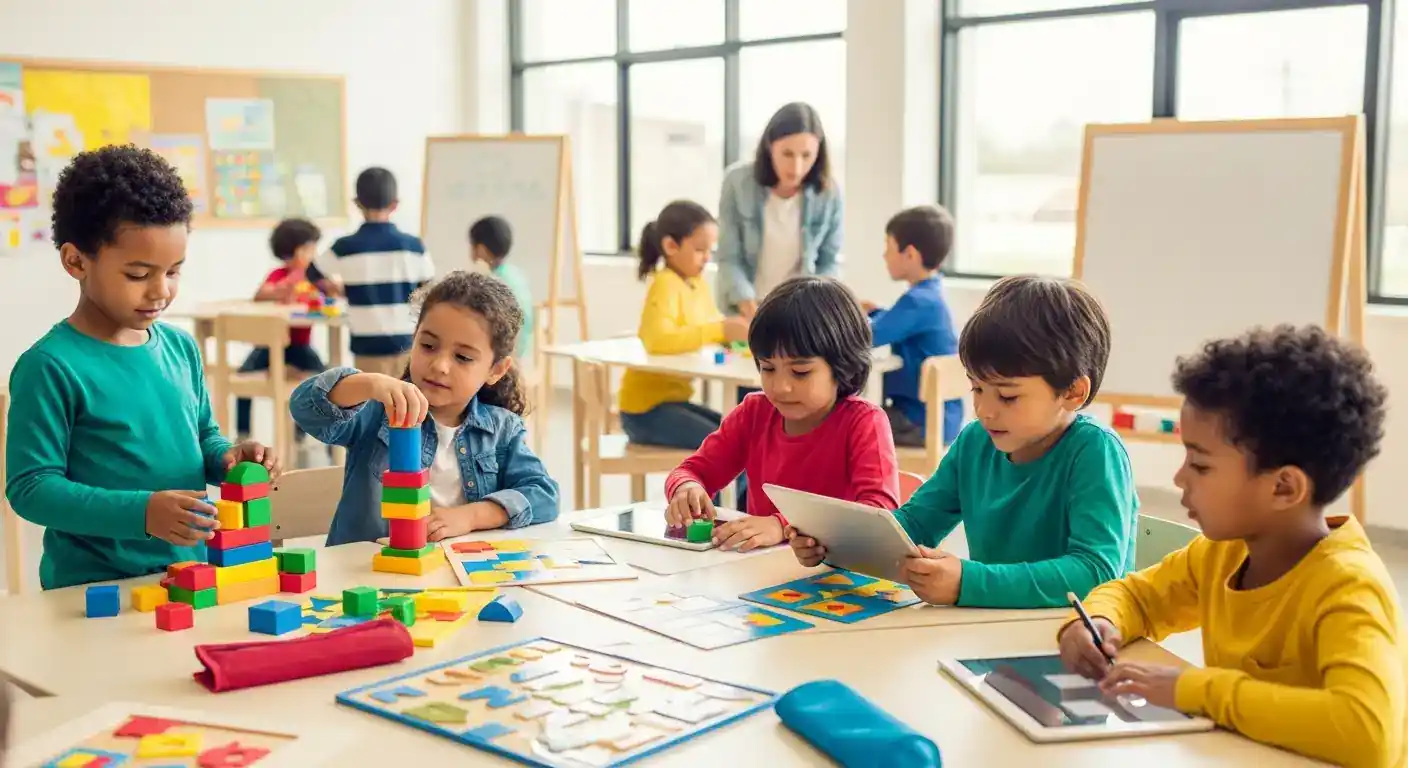
Embarking on a journey to truly transform your classroom begins with a deep understanding and intentional applying core educational philosophies. These foundational beliefs guide every decision, from curriculum design to classroom management, profoundly shaping your teaching practice. By consciously integrating various pedagogical approaches, educators can create dynamic, responsive learning environments that cater to diverse student needs and foster holistic student development. This article explores how to practically weave these philosophies into your daily work, ensuring your methods are not just effective but also deeply meaningful.
Understanding these philosophies isn't merely academic; it's about developing a robust framework for ethical and impactful instruction. When you thoughtfully engage with these ideas, you empower yourself to make informed choices that directly contribute to optimal student growth. Let's delve into how these powerful frameworks can elevate your teaching.
Key Points:
- Foundation First: Understand the core tenets of major educational philosophies.
- Practical Application: Learn how theories translate into daily classroom strategies.
- Personalized Pedagogy: Develop a unique teaching style aligned with your beliefs.
- Holistic Development: Foster intellectual, emotional, and social growth in students.
- Inclusive Environments: Adapt philosophies to support diverse learners effectively.
Understanding the Landscape of Core Educational Philosophies
Every educator operates from a philosophical stance, whether explicitly acknowledged or not. Recognizing these core educational philosophies is the first step toward intentionally shaping your teaching practice. These frameworks provide lenses through which we view learning, knowledge, and the role of the student and teacher. By exploring them, you can identify which principles resonate most with your vision for student development.
Major Philosophical Streams and Their Classroom Implications
Let's examine some prominent educational philosophies and their practical applications in the classroom setting. Each philosophy offers a distinct perspective on how learning best occurs and what the purpose of education truly is. Understanding these distinctions helps in applying core educational philosophies to diverse learning scenarios.
Perennialism: Emphasizing Timeless Wisdom
Perennialism focuses on universal truths and classic works of literature, art, and science. It advocates for a curriculum rich in the "great books" and fundamental subjects, believing that enduring ideas are most crucial for intellectual development. In practice, this means:
- Focus on enduring ideas: Lessons often center on classic texts or historical events.
- Teacher as authority: The teacher guides students through complex concepts and discussions.
- Rigorous intellectual training: Critical thinking and logical reasoning are highly emphasized.
Essentialism: Back to Basics for Core Knowledge
Essentialism prioritizes a core curriculum of traditional academic subjects, emphasizing discipline and hard work. It aims to transmit a common culture and knowledge base necessary for societal function. For your teaching practice, this translates into:
- Structured curriculum: Clear learning objectives and a focus on fundamental skills.
- Direct instruction: Teachers are often the primary source of knowledge.
- Mastery of content: Regular assessments ensure students grasp essential facts and concepts.
Progressivism: Learning by Doing and Experiencing
Progressivism centers on the student's interests and experiences, promoting active learning through problem-solving and collaboration. It views education as a continuous process of growth and adaptation. This philosophy significantly impacts student development by:
- Project-based learning: Students engage in hands-on projects and inquiries.
- Collaborative activities: Group work and discussions foster social skills and shared learning.
- Flexible curriculum: Adapting lessons to current events and student curiosity is common.
Social Reconstructionism: Education for Societal Change
Building upon progressivism, social reconstructionism uses education as a tool to address social injustices and foster a more equitable society. It encourages students to critically examine societal problems and work towards solutions. Key aspects include:
- Community engagement: Projects often extend beyond the classroom into local issues.
- Critical analysis: Students are taught to question norms and advocate for change.
- Emphasis on ethics and social justice: Discussions revolve around fairness, equity, and responsibility.
Existentialism: Fostering Individual Choice and Meaning
Existentialism places the individual at the center, emphasizing freedom of choice and personal responsibility for creating meaning. It encourages self-discovery and independent thought. In the classroom, this means:
- Student autonomy: Allowing choices in learning paths and project topics.
- Self-reflection: Encouraging students to explore their values and purposes.
- Creative expression: Providing opportunities for personal interpretation and artistic endeavors.
Integrating Philosophies for a Dynamic Teaching Practice
Successfully applying core educational philosophies often involves drawing from multiple traditions to create a unique, hybrid approach. A rigid adherence to a single philosophy might limit your adaptability, especially in diverse classrooms. The key is to consciously blend elements that best serve your students and your educational goals, leading to enhanced teaching practice.
Crafting Your Pedagogical Stance
Your personal pedagogical stance should reflect a thoughtful synthesis of these philosophies. Consider what aspects resonate most with your beliefs about learning, the role of the teacher, and the ultimate purpose of education. For instance, a teacher might blend the structured content of essentialism with the student-centered activities of progressivism. This ensures foundational knowledge is acquired while fostering critical thinking and engagement.
- Reflect on core values: What do you believe is most important for students to learn and become?
- Identify student needs: How do your students learn best? What challenges do they face?
- Experiment with approaches: Try different strategies from various philosophies and observe the impact.
Differentiated Instruction Through Philosophical Lenses
One area where applying core educational philosophies truly shines is in supporting inclusive education. A blended philosophical approach allows for highly differentiated instruction, addressing the varied learning styles and needs within a single classroom. For example, while a Perennialist might value a deep dive into classic literature, a teacher can introduce this through a Project-Based Learning approach (Progressivism) that allows students to choose their mode of analysis and presentation (Existentialism).
According to a 2023 research brief by the Institute for Educational Innovation, classrooms that integrate a multi-philosophical approach show a 15% increase in student engagement and a 10% improvement in academic outcomes for diverse learners compared to single-philosophy models. This highlights the power of flexibility.
Furthermore, leveraging the insights from recent neuroscientific research on learning styles – a rapidly evolving field since 2024 – can significantly enhance this integration. For instance, understanding how brain plasticity responds to novelty and active participation (a progressive tenet) allows educators to design lessons that are both philosophically grounded and scientifically effective. This focus on brain-based learning combined with philosophical depth offers a unique edge.
Enhancing Student Development through Intentional Pedagogy
The ultimate goal of applying core educational philosophies is to foster optimal student development. This isn't just about academic achievement, but also about cultivating well-rounded individuals who are critical thinkers, empathetic citizens, and lifelong learners. Your choice of philosophical underpinnings directly influences how students grow intellectually, emotionally, and socially.
Cultivating Critical Thinking and Problem-Solving
Many philosophies, particularly Progressivism and Social Reconstructionism, emphasize developing critical thinking and problem-solving skills. By structuring lessons around real-world challenges or debates, you empower students to analyze, synthesize, and evaluate information. This active engagement goes beyond rote memorization, building essential competencies for future success.
- Socratic Seminars: Encourage deep questioning and analysis of texts or concepts.
- Case Studies: Present complex scenarios for students to investigate and propose solutions.
- Debates: Foster logical argumentation and respectful disagreement.
Fostering Social-Emotional Learning (SEL)
Regardless of the primary philosophy, integrating SEL components is vital for holistic student development. Philosophies that prioritize individual growth (Existentialism) or community engagement (Social Reconstructionism) naturally lend themselves to SEL. For instance, creating opportunities for peer collaboration and conflict resolution aligns with both progressive and social reconstructionist ideals, helping students develop empathy and communication skills. For more insights on fostering an inclusive classroom, consider exploring /categories/inclusive-education.
The Role of Feedback and Assessment
How you approach feedback and assessment should also reflect your chosen philosophies. An essentialist might prefer standardized tests to measure knowledge acquisition, while a progressivist might favor portfolios and performance-based assessments that demonstrate application and skill development. A balanced approach often involves a mix, using formative assessments for ongoing guidance and summative assessments for measuring mastery, all while offering personalized, constructive feedback to every student. This balanced approach is crucial for shaping your teaching practice effectively.
Future-Proofing Your Teaching Practice
The educational landscape is constantly evolving, requiring educators to remain adaptable. Regularly revisiting and refining your philosophical framework ensures your teaching practice stays relevant and impactful. Consider how emerging technologies or changing societal needs might influence your chosen pedagogical approaches.
Internal Link Suggestions
- For further strategies on curriculum design that supports diverse learners, read our article: Designing Student-Centered Curriculum for Inclusive Classrooms
- To explore effective classroom management techniques that align with various philosophies, see: Effective Classroom Management Strategies for Diverse Learners
- For a broader perspective on creating equitable learning spaces, visit our hub on Inclusive Education.
FAQ Section
Q1: What is the "best" educational philosophy for my classroom?
A1: There isn't a single "best" philosophy; effectiveness depends on your context, student demographics, and subject matter. Many educators find success in blending elements from different philosophies (e.g., essentialism for core skills, progressivism for engagement) to create a personalized and responsive teaching approach. The optimal philosophy is one that aligns with your beliefs and meets your students' diverse learning needs.
Q2: How can I identify my own core educational philosophy?
A2: Begin by reflecting on your beliefs about knowledge, learning, and the purpose of education. Consider what motivates students, how you envision your role, and what outcomes you prioritize. Reading about various philosophies and observing which principles resonate with your intuition and experiences can help clarify your stance. It's an ongoing process of self-reflection and refinement.
Q3: Can educational philosophies change over time?
A3: Absolutely. Your educational philosophy is not static. As you gain experience, encounter new research, or teach different groups of students, your perspective may evolve. It's healthy to periodically reassess and refine your philosophical foundation to ensure it remains relevant, effective, and aligned with your growth as an educator and the evolving needs of your students.
Q4: How do educational philosophies relate to modern teaching trends like personalized learning?
A4: Many modern trends like personalized learning, inquiry-based learning, and competency-based education draw heavily from progressive and existentialist philosophies. They emphasize student agency, individual pathways, and learning through doing, allowing students to pursue their interests and develop at their own pace. Applying core educational philosophies provides the theoretical grounding for these innovative teaching methods.
Conclusion: Empowering Your Teaching Through Philosophical Insight
By consciously applying core educational philosophies, you move beyond merely delivering content to actively shaping your teaching practice for optimal student development. This intentional approach transforms your classroom into a thoughtful, engaging, and inclusive space where every student can thrive. Embracing a reflective and adaptive mindset allows you to continually refine your methods, ensuring they remain relevant and impactful in an ever-changing educational landscape.
We encourage you to share your experiences with integrating educational philosophies in your classroom in the comments below. What approaches have you found most effective for student development? Consider exploring further readings on specific pedagogical models or engaging in professional development related to curriculum theory to deepen your understanding. Your ongoing commitment to philosophical inquiry will undoubtedly elevate your teaching and inspire your students.
Future Expandable Subtopics:
- Digital Pedagogies and Educational Philosophy: How technology influences core beliefs.
- Measuring the Impact of Philosophical Approaches on Student Outcomes.
- Philosophical Approaches to Social-Emotional Learning in Diverse Classrooms.