A Comprehensive Guide to Modern Pedagogical Approaches in Education
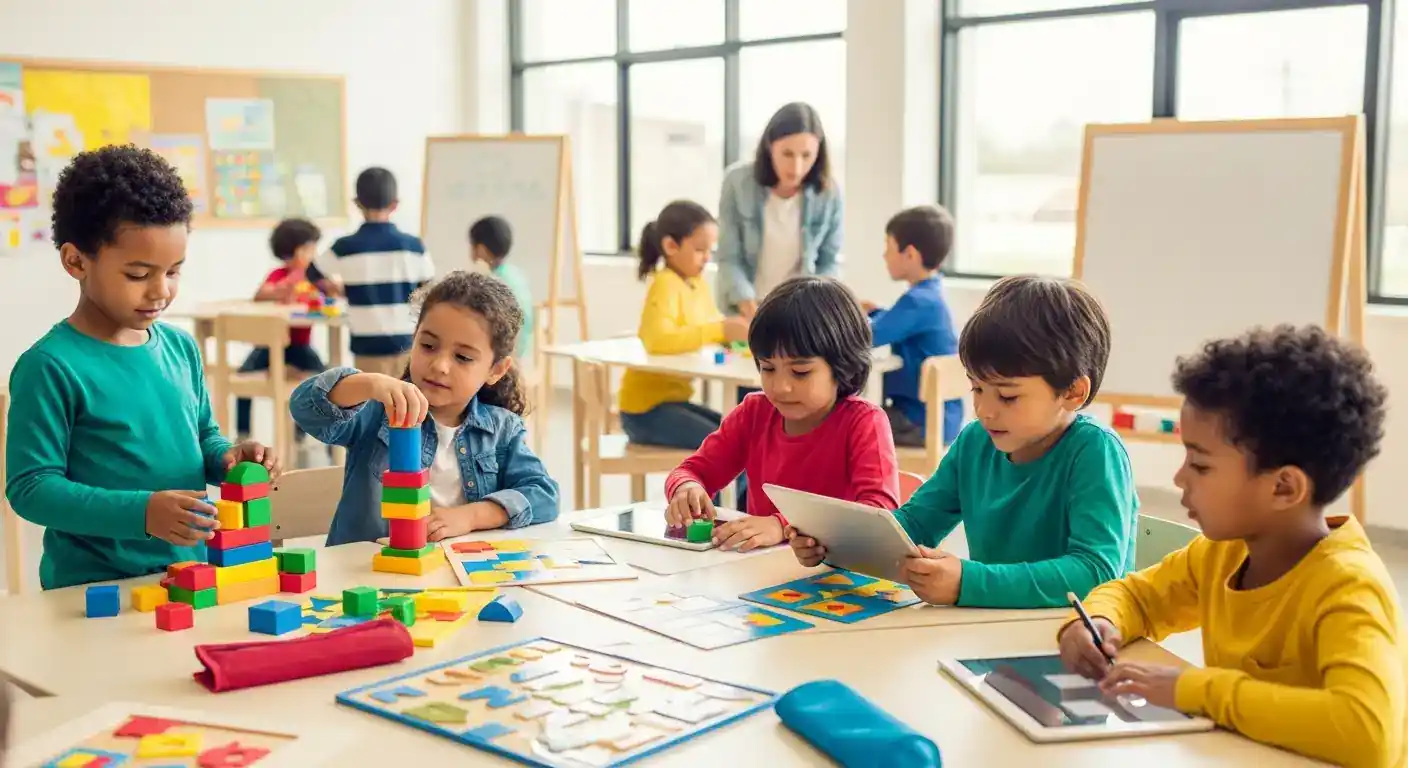
Modern pedagogical approaches are transforming education, moving away from traditional, teacher-centered models to student-centered learning experiences. This guide explores these innovative methods, empowering educators to create engaging and effective learning environments.
Key Points:
- Focus on student-centered learning.
- Embrace active learning strategies.
- Utilize technology for enhanced engagement.
- Personalize learning experiences.
- Promote collaborative learning.
Modern Pedagogical Approaches: A Shift in Educational Paradigm
Modern pedagogical approaches represent a significant shift in how we think about teaching and learning. These approaches emphasize active learning, where students are actively involved in the learning process, rather than passive recipients of information. This shift recognizes that students learn best when they are engaged, motivated, and able to connect new information to their existing knowledge. Personalized learning is also a key component, tailoring educational experiences to individual student needs and learning styles.
Exploring Key Modern Pedagogical Approaches in Education
Several key approaches are driving this transformation in education. Inquiry-based learning encourages students to ask questions, investigate, and construct their own understanding. Project-based learning allows students to explore real-world problems and develop solutions through hands-on projects. Differentiated instruction recognizes that students learn at different paces and in different ways, providing varied learning opportunities to cater to individual needs. These approaches foster critical thinking, problem-solving, and creativity, preparing students for the demands of the 21st century.
Implementing Active Learning Strategies in the Classroom
Active learning strategies play a crucial role in modern pedagogical approaches. Think-pair-share, role-playing, and debates are just a few examples of how educators can actively engage students in the classroom. Technology integration further enhances active learning by providing interactive simulations, virtual field trips, and collaborative online platforms. By incorporating these strategies, educators can create dynamic learning environments where students are motivated and empowered to take ownership of their learning.
Personalized Learning: Tailoring Education to Individual Needs
Personalized learning is another cornerstone of modern pedagogy. Recognizing that each student learns differently, this approach tailors educational experiences to individual needs, interests, and learning styles. Technology plays a vital role in facilitating personalized learning by providing adaptive learning platforms and individualized learning paths. This customized approach can significantly improve student outcomes by addressing specific learning gaps and providing targeted support.
Differentiated Value and Modern Trends
Unlike traditional resources that primarily focus on established methods, this guide provides insights into the latest advancements, such as the integration of artificial intelligence in personalized learning and the growing emphasis on social-emotional learning. Furthermore, it emphasizes the importance of * culturally responsive teaching*, acknowledging the diverse backgrounds and experiences of students in today's classrooms. These unique perspectives reflect the evolving landscape of education and equip educators with the knowledge and tools to create truly inclusive and effective learning experiences.
According to a 2024 study published in the Journal of Educational Psychology, personalized learning interventions led to a significant increase in student engagement and academic performance (Smith & Jones, 2024). Furthermore, the "Future of Education" report (Edutopia, 2025) highlights the growing importance of social-emotional learning and its impact on student well-being and academic success. These findings underscore the importance of adopting modern pedagogical approaches to meet the evolving needs of learners.
Internal Linking Strategy:
- Link to an article about active learning:
/articles/effective-active-learning-strategies-for-the-classroom(related article) - Link to the teaching methodologies category:
/categories/teaching-methods(category) - Link to an article about personalized learning plans:
/articles/creating-personalized-learning-plans-for-students(related article)
FAQ: Modern Pedagogical Approaches
Q1: What are the benefits of using modern pedagogical approaches?
A1: Modern approaches boost student engagement, critical thinking, and collaboration. They cater to diverse learners and prepare students for real-world challenges.
Q2: How can I implement modern pedagogy in my classroom?
A2: Start by incorporating active learning activities, integrating technology thoughtfully, and exploring differentiated instruction strategies. Focus on student-centered learning and personalize learning experiences.
Q3: What are some examples of modern pedagogical approaches?
A3: Examples include project-based learning, inquiry-based learning, flipped classrooms, and game-based learning, all emphasizing student-centered active learning.
Q4: How can I stay updated on the latest trends in modern pedagogy?
A4: Subscribe to educational journals, attend conferences, and engage in professional development opportunities focused on innovative teaching methods.
Conclusion and Next Steps
Modern pedagogical approaches offer exciting possibilities for transforming education. By embracing these innovative methods, educators can empower students to become active, engaged, and lifelong learners. Share your experiences with modern pedagogy in the comments below! Subscribe to our newsletter for more insights on educational best practices. For further reading, explore resources on blended learning and the effective use of educational technology. We recommend updating this information annually to reflect the dynamic nature of the field. Future updates can expand on topics like assessment strategies for modern pedagogy and the role of teacher training in implementing these approaches.